How to Prune Nodding sedge?
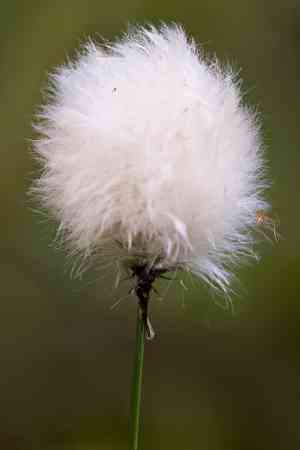
Recognized for its elegant, curved stalks and drooping floral clusters, nodding sedge flourishes with consistent trimming. Optimal pruning occurs in early spring or winter, as removing deceased or compromised leaves fosters more robust development. Severing older stems at their base during these periods encourages fresh sprouts. Trimming aids in preserving a neat look and averts excessive density, thereby improving air movement. Exercise care to avoid excessive pruning, which could cause plant stress. Routine trimming enhances the plant's general vitality and visual attractiveness.
Advantages of Trimming Nodding Sedge
Advantages of Trimming Nodding Sedge
Nodding sedge thrives with trimming, promoting vigorous growth and maintaining its form. Regular trimming helps manage its size, encourages healthy development, and enhances its overall look.
Optimal Period for Trimming Nodding Sedge
Optimal Period for Trimming Nodding Sedge
Trimming nodding sedge in early spring is beneficial as it allows the plant to recover and grow as the active season begins. This timing fosters robust new growth and prepares the plant for its upcoming bloom cycle. Pruning in winter, during dormancy, minimizes stress and potential harm to nodding sedge, as it is not actively developing. Cutting back during these times ensures the plant stays healthy and strong, supporting vigorous development in the subsequent growing season.
Necessary Tools for Trimming Nodding Sedge
Hand Pruners
Perfect for making clean cuts on nodding sedge, primarily for removing dry or dead foliage. They offer precise cutting and are easy to use for minor trimming tasks.
Hedge Shears
Useful for shaping and efficiently cutting back larger clumps of nodding sedge. These shears can quickly manage the denser parts of the plant.
Grass Shears
Specifically designed for cutting grass-like plants such as nodding sedge. They allow for close, accurate cuts near the plant's base without harming new growth.
Loppers
Helpful for cutting thicker, older stems of nodding sedge if necessary. Loppers provide more leverage and can reach into the plant's interior for removing thicker stems.
Gloves
Crucial for protecting your hands from cuts and ensuring a firm grip on tools while trimming nodding sedge.
How to Trim Nodding Sedge
Prepare tools
Gather a pair of clean, sharp pruning shears and gloves to ensure safety and hygiene.
Examine plant
Inspect nodding sedge closely to identify any diseased or withered leaves that need trimming.
Remove diseased leaves
Carefully cut off any diseased leaves by making clean cuts at the base of the leaf stem to prevent disease spread.
Remove withered leaves
Trim away any withered leaves by making similar clean cuts at the base, ensuring to only remove leaves that are completely dried out.
Dispose clippings
Collect and dispose of all pruned material in a way that prevents disease spread, ideally using a sealed bag or compost bin if the material is healthy.
Common Trimming Errors with Nodding Sedge
Excessive trimming
Cutting back the plant too much can stress it and impede its natural growth and flowering. It's important to trim carefully and avoid removing too much foliage at once.
Incorrect Tools
Using dull or unsuitable tools can result in jagged cuts that may attract disease or pests. Ensure pruning shears are sharp and appropriate for the stem size.
Trimming at Wrong Nodes
Cutting at incorrect points can disrupt the plant's growth pattern. Avoid cutting too close to the base or at random points along the stems.
General Trimming Advice for Nodding Sedge
Moderate Trimming
Lightly trim nodding sedge to remove dead or damaged foliage and encourage new growth. Aim to remove no more than one-third of the plantâs total foliage at one time.
Clean Tools
Always use clean, sharp tools for precise cuts. Sterilizing tools before and after use helps prevent disease spread.
Selective Thinning
Focus on thinning inner stems to improve air circulation and light penetration. This helps reduce the risk of fungal infections and promotes healthier growth.
Angle Cuts
Make clean cuts at a slight angle to prevent water from collecting on the cut surface. This helps reduce the risk of rot and disease.
Regular Inspection
Regularly inspect nodding sedge to promptly remove any dead or diseased parts. Early intervention helps maintain the plantâs health and vigor.



