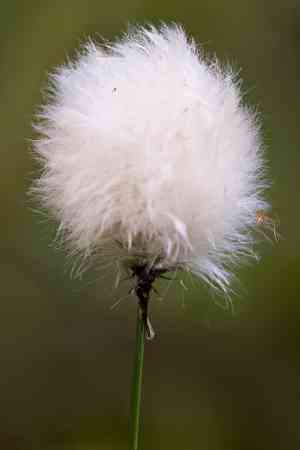
Nodding sedge (Carex gynandra)
Also known as: Gynandra Sedge
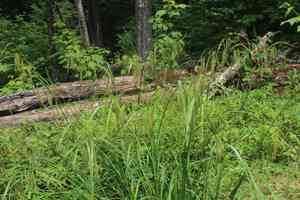
Nodding sedge (Carex gynandra) stands out due to its elongated, drooping flower spikes. This species flourishes in moist environments, making wetlands, marshes, and the peripheries of streams and ponds ideal habitats. It adapts well to both natural and disturbed areas, but consistently requires ample moisture and partial to full shade to thrive.
In This Article
Attributes of Nodding sedge
Lifespan
Perennial
Plant Type
Grass
Plant Height
46 cm to 1.5 m
Spread
N/A
Leaf Color
Green
Flower Size
8 cm to 10 cm
Flower Color
White Yellow Brown
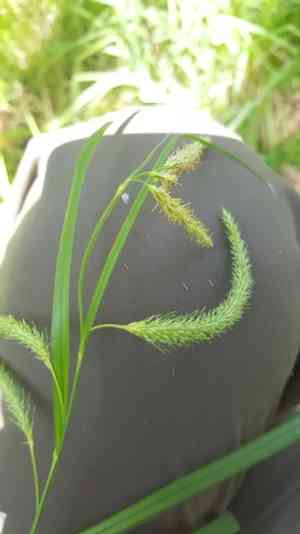
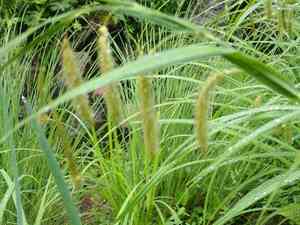
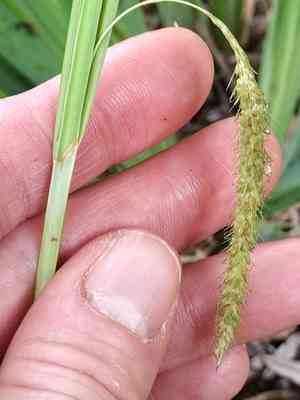
Images of Nodding sedge
Quickly Identify Nodding sedge
1
This sedge can be identified by its elongated, grass-like leaves, typically growing in dense clumps. The inflorescence is a spikelet that emerges from the center of the clump, and it generally blooms in late spring to early summer.
Scientific Classification of Nodding sedge
Phylum
Vascular plants
Class
Monocotyledons
Order
Poales
Family
Sedge
Genus
True sedges
Species
Nodding sedge
Planting and Growing of Nodding sedge
Care Difficulty
Moderate
Watering Schedule
Every 2 days
Sunlight Requirements
Partial sun
Sunshine Duration
4-8 hours
Ideal Temperature
60-75℉
Soil Type
Potting Mix, Peat Mix
Soil pH
6.5-7.5
Fertilizer Type
Balanced
Pruning Season
Spring, Summer
Pruning Area
Branches, Leaves
Pruning Frequency
2 times a year
Repotting Season
Spring
Pot Type
Plastic, Ceramic
 How to Water Nodding sedge?
Carex gynandra appreciates a moderate amount of water. A good rule is to water until the top 2-3 inches of soil feel moist but not soggy. This ensures sufficient hydration without drowning the plant.
What are the symptoms of an underwatered Nodding sedge?
›
What should I do if my Nodding sedge is not getting enough water?
›
What are the symptoms of an overwatered Nodding sedge?
›
How to save an overwatered Nodding sedge?
›
 What Are the Sunlight Requirements for Nodding sedge?
Carex gynandra thrives in partial sun to full shade. Optimal lighting helps maintain its lush green appearance and vigorous growth, preventing stress-related damage.
Question 1: What is the ideal lighting condition for Carex gynandra?
›
Question 2: How can I provide ideal lighting for Carex gynandra?
›
Question 3: What are the benefits of giving Carex gynandra ideal lighting?
›
 What Is the Ideal Temperature Range for Nodding sedge?
The ideal temperature range for Carex gynandra is between 60°F and 75°F. This range allows for optimal metabolic processes and photosynthesis, thus promoting healthy growth and development.
 What Soil is Best for Nodding sedge?
Carex gynandra thrives in well-drained soils, as this prevents waterlogging, which can lead to root rot. This type of soil supports healthy root growth and provides the plant with oxygen, improving nutrient uptake. For optimal growth, Carex gynandra prefers soils with moderate fertility. Overly rich soils can cause too much foliage growth at the expense of flowers, while low fertility can stunt its overall development. The plant benefits from soils that can retain moisture without becoming soggy. This ensures that Carex gynandra remains hydrated during dry periods, supporting continuous growth and vigorous health.
 How to Fertilize Nodding sedge?
For Carex gynandra, the correct amount of fertilizer is crucial for its healthy growth. It's recommended to utilize a balanced all-purpose fertilizer, applying about 1/4 to 1/2 teaspoon per liter of water for liquid fertilizers. This moderate amount ensures that the plant gets ample nutrients without the risk of over-fertilization, which could harm the plant's roots.
 How to Prune Nodding sedge?
For pruning Carex gynandra, you'll need a pair of sharp, clean scissors or pruning shears. Ensuring your tools are clean helps prevent the spread of disease between plants. Consider wearing gloves to protect your hands from any sharp edges or potential irritants on the plant. Start by examining your Carex gynandra for any dead, damaged, or diseased leaves. These should be the first to go to improve plant health. Snip these at the base, being careful to make clean cuts to avoid tearing the plant fibers, which can lead to infection or stress. To maintain a neat and cultivated appearance, trim the outer edges of the plant evenly. This encourages the plant to grow in a desirable shape and can enhance its visual appeal in arrangement areas, whether planted in the ground or containers. Focus on cutting back up to a third of the oldest stems from the base. This technique stimulates the plant to produce vigorous new shoots from the root zone, ensuring your Carex gynandra remains lush and full.
More About Pruning Techniques→
 How to Propagate Nodding sedge plant?
1
First, collect mature seeds from a healthy Carex gynandra plant in early spring. Clean the seeds to remove debris, ensuring they are free from any disease or rot. Store them in a dry, cool place until planting.
2
Fill seed trays with sterile potting mix and gently sow the seeds on top. Cover them with a thin layer of soil, approximately 5mm deep, and water lightly to settle the soil without displacing the seeds.
3
Once the seedlings have developed several leaves, transplant them into individual pots or a prepared garden bed. Ensure the soil is well-drained and enriched with organic matter to support growth.
 How to Repot Nodding sedge plant?
1
When you notice roots emerging from the drainage holes, or the plant’s growth seems stunted, it's time to repot. Another indicator is soil that remains waterlogged too long.
2
Select a pot that's one size larger than the current one with good drainage. This will promote healthy root growth and prevent waterlogging, which can lead to root rot.
3
Opt for a loamy, well-draining soil mix. Such soil supports good air circulation around the roots and ensures excess water can drain away easily, preventing root rot.
Learn More About Nodding sedge Diseases
Anthracnose
Bacterial Leaf Spot
Bacterial Soft Rot
Bacterial Wilt
Chemical Injury
Cyst Nematode
Damping-off
Downy Mildew
Drought Stress
Fusarium Wilt
Gray Mold
Leaf Spot
Mosaic
Nutrient Deficiency
Nutrient Toxicity
Powdery Mildew
Root Rot
Root-knot Nematode
Rusts
Sooty Mold
Spider Mites
Temperature Stress
Thrips Damage
White Mold



