How to Prune Elk sedge?
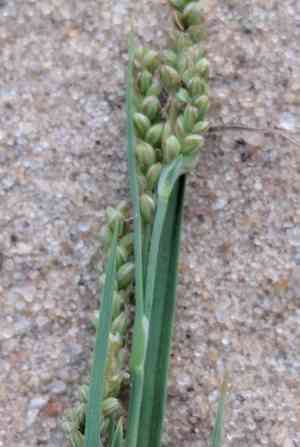
Elk sedge, a perennial grass-like plant commonly found in moist environments, exhibits a characteristic clustered growth pattern. The most favorable periods for trimming are in early spring or late winter, which encourages fresh development and sustains the plant's well-being. This process entails removing older, lifeless leaves from the base to improve air movement and light exposure, both vital for its vigorous expansion. Consistent trimming lessens the likelihood of disease and fosters a more compact appearance, providing both visual appeal and environmental advantages.
Advantages of Trimming Elk Sedge
Advantages of Trimming Elk Sedge
Trimming elk sedge promotes robust development and assists in preserving its desired form. Regular cutting eliminates dead or damaged leaves, fostering healthier and thicker growth, which is crucial for the overall health of elk sedge.
Optimal Period for Trimming Elk Sedge
Optimal Period for Trimming Elk Sedge
Trimming elk sedge in early spring is ideal as it occurs just before the growth season begins, allowing the plant to recover and redirect energy efficiently to new growth. Pruning during winter, when elk sedge is dormant, minimizes plant stress and reduces the risk of disease spread, as many pathogens are less active in colder months. These timings ensure the plant maintains vigor and possesses a strong structure to support its growth in the upcoming season.
Necessary Tools for Trimming Elk Sedge
Hand Pruners
Perfect for cutting back dead or overgrown leaves on elk sedge, encouraging tidy growth and lowering disease risk. These pruners are useful for precise cuts without harming surrounding foliage.
Grass Shears
Effective for shaping and trimming elk sedge, especially its dense clumps. Grass shears provide a clean cut that helps maintain the health and look of elk sedge.
Gardening Gloves
Though not a cutting tool, gloves are vital when trimming elk sedge to shield hands from moisture and the sharp edges of the plant's leaves.
How to Trim Elk Sedge
Sanitize tools
Clean and sterilize pruning shears or scissors. This prevents disease transmission and ensures a clean cut that aids elk sedge in healing better.
Locate
Identify diseased and withered leaves on elk sedge. Look for leaves that appear brown, yellow, or have unusual spots, which typically indicate unhealthy foliage.
Cut
Carefully cut diseased and withered leaves at their base where they connect to the root clump. Make clean cuts close to the ground to avoid leaving stubs that could decay.
Discard
Remove and properly dispose of the trimmed leaves. Do not compost diseased material as it can harbor pathogens that might infect other plants.
Evaluate
Assess the plant after pruning. Check for any other affected parts that were initially missed, and ensure the plant retains a natural shape and density for optimal growth.
Common Trimming Errors with Elk Sedge
Excessive pruning
Removing too much foliage from elk sedge can significantly stress the plant, impeding its growth and vitality. It's crucial to prune sparingly and thoughtfully.
Improper cutting technique
Using dull or dirty tools can damage elk sedge stems, leading to frayed cuts that heal poorly and may develop infections.
Uniform cutting
Cutting elk sedge uniformly without considering its natural shape can result in a loss of its aesthetic form and may also impact its natural growth patterns.
General Trimming Advice for Elk Sedge
Use sharp tools
Always use sharp, clean pruning shears or scissors for clean cuts. This helps prevent infection and ensures quick healing of the cuts.
Selective trimming
Prune selectively by removing only dead or damaged foliage to maintain the health and appearance of elk sedge. This targeted approach encourages more natural, healthier growth.
Promote new growth
Light pruning in the right areas can stimulate new growth. Focus on thinning rather than cutting back too heavily to maintain the plant's structure and vigor.



