How to Propagate Elk sedge?
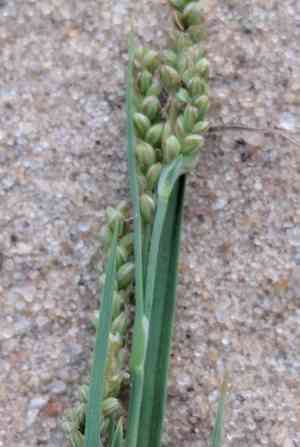
Elk sedge flourishes when multiplied via separation, a technique well-suited to its growth patterns. Gently split the root ball in early spring right before fresh shoots emerge, making sure every piece possesses sufficient roots. Promptly replant in soil that drains effectively, keeping the soil adequately moist without saturation to foster root establishment.
What Is the Best Time To Propagate Elk Sedge?
Propagation Type
Splitting
Propagation Season
Spring,Autumn
What Tools Are Used in Elk Sedge Propagation?
Sharp knife or garden shears
These implements are vital for clean cuts during the elk sedge division process. A sharp knife ensures precise incisions, minimizing harm to roots and plant tissues. This accuracy is key for maintaining elk sedge health, promoting faster recovery and better root establishment after division.
Spade or digging fork
Utilized for excavating around the plant to lift it from the ground without significant root disruption. A spade or digging fork allows for careful handling and reduces root damage when extracting elk sedge from the soil. This is crucial for successful separation and replanting.
Rooting hormone (optional)
Applying a rooting hormone to the severed root sections can boost root growth and development in elk sedge, increasing the likelihood of successful propagation. This hormone stimulates root production, especially important for ensuring new plants are viable and strong.
Gardening gloves
Protects hands during the division process and ensures safe handling of elk sedge, particularly when using sharp tools. Gloves also prevent potential skin irritation from direct contact with plant sap or soil pathogens.
Watering can or hose with a gentle sprayer
Gentle irrigation is essential after replanting elk sedge divisions. It helps settle the soil around the roots and eliminates air pockets, providing the necessary moisture for the roots to begin establishing in their new environment.
How to Propagate Elk Sedge?
Propagation Type
Simple
How to Care for Your Newly Propagated Elk Sedge?
How to Care for Your Newly Propagated Elk Sedge?
After propagation, keep elk sedge soil moist but not waterlogged. Full to partial sun exposure is preferred. During the initial growing season, frequently check plants for signs of stress or pests and address them accordingly. Applying mulch can help maintain soil moisture and temperature. Regular fertilization isn't required, but an annual application of a balanced, slow-release fertilizer in spring can encourage healthier growth.
Common Mistakes to Avoid When Propagating Elk Sedge
Overwatering
Excessive watering of elk sedge can lead to root rot, which hinders root development and may eventually kill the plant. It's vital to maintain a balance where the soil remains moist but not saturated.
Deep planting
Planting elk sedge rhizomes or divisions too deeply can impede their growth. The top of the rhizome should be near the soil surface to allow for adequate air exchange and prevent rot.
Using unsterilized tools
Propagation with unsterilized tools can introduce pathogens to elk sedge, leading to diseases that hinder healthy growth and establishment. Always sterilize tools before cutting.
Ignoring soil structure
Failing to consider the soil structure can impede the successful establishment of elk sedge. This plant prefers well-draining soil to avoid waterlogged conditions.
Tips For Propagating Elk Sedge
Appropriate moisture control
Maintain consistent soil moisture levels, but ensure good drainage. Both overly dry or wet conditions can be detrimental to elk sedge's growth.
Shallow planting
Plant rhizomes or divisions superficially, with the top of the rhizomes just beneath the soil surface. This promotes better sprouting and prevents potential rot.
Use of sterilized utensils
Always use clean, sterilized tools when making divisions or handling plant material to prevent the transmission of diseases to elk sedge.
Soil preparation
Prepare a loose, organic-rich soil that supports good drainage and water retention. Amending the soil with organic matter can improve its structure and fertility, benefiting elk sedge.



