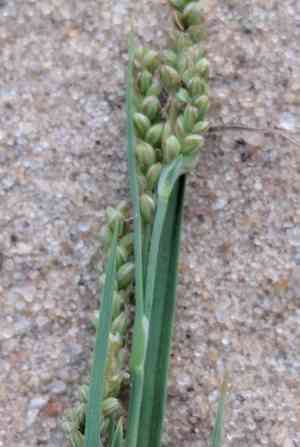
Elk sedge (Carex garberi)
Also known as: Garber's Sedge
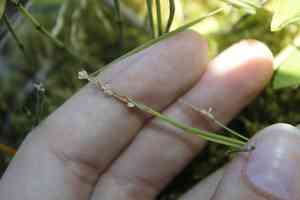
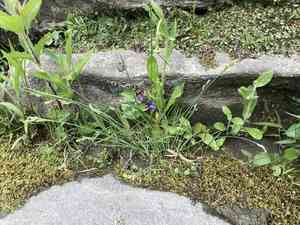
The leaves can vary significantly in length compared to the stems, measuring only a few millimeters in width. Inflorescences are found both at the stem tips and along the sides. Lateral inflorescences are typically pistillate, while terminal inflorescences often contain both male and female flowers. The flowers are covered by brown scales with a pale stripe running through the center.
In This Article
Attributes of Elk sedge
Lifespan
Perennial
Plant Type
Grass
Plant Height
10 cm to 41 cm
Spread
Not applicable (graminoid form)
Leaf Color
Green
Flower Size
Less than 1 cm
Flower Color
Yellow Green Brown
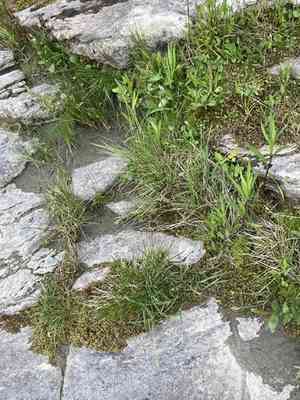
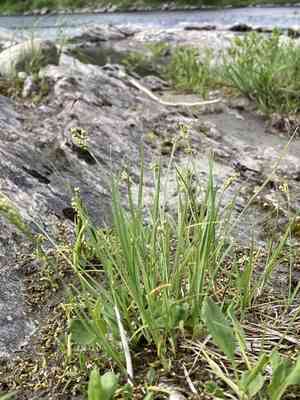
Images of Elk sedge
Quickly Identify Elk sedge
1
Garber\'s Sedge can be identified by its slender, grass-like leaves and triangular stems. The plant produces small, inconspicuous flowers arranged in spikelets. The leaves are usually flat or slightly folded, and the plant often forms dense clumps.
Scientific Classification of Elk sedge
Phylum
Vascular plants
Class
Monocotyledons
Order
Poales
Family
Sedge
Genus
True sedges
Species
Elk sedge
Planting and Growing of Elk sedge
Care Difficulty
Easy
Watering Schedule
Every 3 days
Sunlight Requirements
Partial sun
Sunshine Duration
6-12 hours
Ideal Temperature
60-75℉
Soil Type
Potting Mix, Peat Mix
Soil pH
5.5-7.5
Fertilizer Type
Balanced
Pruning Season
Spring, Summer
Pruning Area
Branches, Leaves
Pruning Frequency
2 times a year
Repotting Season
Spring
Pot Type
Plastic, Ceramic
 How to Water Elk sedge?
For Carex garberi, aim to apply water until the soil feels moist but not waterlogged. A typical watering session would involve around 200 milliliters. The key is to ensure that the top inch of soil is consistently moist, reflecting the plant's native wetland habitat.
What are the symptoms of an underwatered Elk sedge?
›
What should I do if my Elk sedge is not getting enough water?
›
What are the symptoms of an overwatered Elk sedge?
›
How to save an overwatered Elk sedge?
›
 What Are the Sunlight Requirements for Elk sedge?
Carex garberi finds its sweet spot in partial sun environments. This lighting condition supports healthy foliage color and dense growth while preventing the complications of full exposure, further strengthening plant resilience.
What is the best lighting condition for Carex garberi?
›
How can I achieve ideal lighting for Carex garberi?
›
What benefits does Carex garberi gain from ideal lighting?
›
 What Is the Ideal Temperature Range for Elk sedge?
For optimal growth, Carex garberi thrives in temperatures ranging from 60°F to 75°F. This range ensures that the plant's metabolic processes operate efficiently, promoting healthy growth and development. A stable temperature within this range provides a conducive environment for photosynthesis, allowing the plant to thrive in its natural habitat resembling cool temperate regions.
 What Soil is Best for Elk sedge?
Carex garberi thrives in soils with good moisture retention, such as loam or peat. These soil types ensure that water is available during dry spells, promoting lush growth and sustained vitality. Nutrient-rich soils are crucial for Carex garberi, as they provide essential minerals and organic matter that support healthy root and shoot development, resulting in robust and vibrant plants. Proper drainage is vital for Carex garberi to prevent root rot. Loamy soils with sufficient sand content allow excess water to flow away, ensuring roots stay healthy and disease-free.
 How to Fertilize Elk sedge?
For Carex garberi, the ideal fertilizer amount is moderate to ensure healthy growth without overwhelming the plant. Typically, use approximately one teaspoon of liquid fertilizer diluted to half strength per gallon of water. For slow-release fertilizers, use them sparingly, applying around 1 tablespoon per square foot around the base of the plant. This balanced approach ensures that the plant receives nutrients evenly throughout the growing season, avoiding both under and over-fertilization.
 How to Prune Elk sedge?
Be sure to wear gloves and protective eyewear while pruning to safeguard against sharp blades and any irritants present in the plant. Inspect for pests or signs of disease while pruning. Early detection can prevent larger infestations or health issues for Carex garberi.
More About Pruning Techniques→
 How to Propagate Elk sedge plant?
1
Scatter the seeds evenly over the surface of a seed tray filled with moist seed-starting mix. Ensure the seeds are slightly pressed into the mix for good contact. Cover lightly with soil, as the seeds need some light to germinate.
2
Carefully dig up a mature plant with a spade and gently shake off excess soil. Use the spade to divide the plant into smaller clumps, each with healthy roots, ensuring minimal root damage.
3
Plant the divisions at the same depth they were growing previously, in new locations, and water thoroughly. Ensure the planting site has well-drained soil and is neither too dry nor waterlogged.
 How to Repot Elk sedge plant?
1
Look for signs like roots peeking out from drainage holes, or the plant appearing cramped in its container. When growth stagnates or soil doesn't retain moisture as before, these are signals for repotting. Choosing the right time aids in minimizing stress.
2
Select a pot that's about an inch or two larger in diameter than the current one. Ensure it has drainage holes to prevent waterlogging. The right pot size encourages healthy root growth and prevents issues related to overwatering or root rot.
3
Use a moisture-retentive potting mix rich in organic matter. This kind of soil ensures proper drainage while providing adequate moisture and nutrients. Well-chosen soil helps maintain the plant's vigor and health post-repotting.



