How to Prune Coastal sedge?
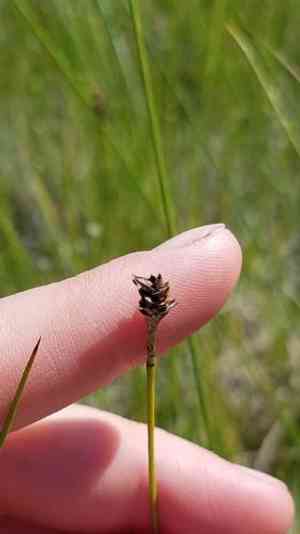
Carex testacea, known for its clumped, grassy look, thrives with trimming to encourage robust development and preserve its visual charm. Essential methods involve removing deceased or injured leaves near the soil line. The ideal period for this maintenance is late winter or early spring, coinciding with the plant's inactive stage to lessen strain. Consistent trimming of Carex testacea improves air movement and lowers the chance of illness, guaranteeing strong and lively growth.
What Are the Benefits of Pruning Coastal Sedge?
What Are the Benefits of Pruning Coastal Sedge?
Trimming coastal sedge encourages vigorous growth and maintains its form. Proper pruning fosters healthy development, lessens pest and disease risk, and preserves an attractive shape, ensuring peak resilience and vitality.
What Is the Best Time for Pruning Coastal Sedge?
What Is the Best Time for Pruning Coastal Sedge?
Pruning coastal sedge in early spring and winter is most advantageous as these times align with the plant's dormant or slow growth phases. In early spring, coastal sedge has not yet fully entered its active growth, making it an ideal time to prune without undue stress. Winter pruning helps remove dead or damaged foliage, preparing coastal sedge for the upcoming growing season. These practices ensure healthy growth, prevent disease, and support optimal development and flowering.
What Tools Do I Need to Prune Coastal Sedge?
Hand Pruners
Perfect for trimming dead or damaged foliage in small sections, ensuring precision and minimal disruption to the plant.
Grass Shears
Excellent for cutting finer grasses and sedges, allowing for neat and even cuts, crucial for maintaining coastal sedge's overall shape and health.
Pruning Scissors
These are suitable for more detailed work and delicate trimming, useful for reaching into dense clumps without harming surrounding foliage.
Lawn Mower
For larger areas, a lawn mower set to its highest setting can effectively cut back extensive coastal sedge, promoting healthy regrowth.
How to Prune Coastal Sedge
Inspect
Thoroughly examine coastal sedge to pinpoint diseased and withered leaves requiring removal. Look for signs of discoloration, wilting, or decay on leaves and stems to accurately identify areas for pruning.
Tool prep
Ensure your pruning shears are clean and sharp, sterilized with alcohol or a bleach solution to prevent disease transmission.
Remove affected leaves
Cut back any diseased leaves, trimming close to the stem's base without harming the main plant. Properly dispose of these leaves to avoid contamination.
Trim withered leaves
Carefully snip away withered leaves, ensuring complete removal from the plant. Focus on maintaining a natural shape and promoting good air circulation within coastal sedge.
Cleanup
Clear all trimmed parts and debris from the base of coastal sedge. This helps reduce the risk of fungal infections and pests. Dispose of diseased and withered leaves in a green waste bin or by burning if local regulations allow.
Common Pruning Mistakes with Coastal Sedge
Over-pruning
Cutting back too much can weaken coastal sedge, causing stress and hindering its natural ability to thrive.
Improper tool use
Using dull or dirty tools can introduce diseases and damage coastal sedge instead of making clean cuts.
Pruning at wrong growth stage
Trimming coastal sedge during active growth periods can impede its development and flowering potential.
Removing too much foliage
Taking off excessive leaves can limit coastal sedge's ability to photosynthesize, impacting its overall health.
Common Pruning Tips for Coastal Sedge
Use sharp and clean tools
Ensure pruners and shears are sharp and sterilized to make clean cuts and prevent infections.
Cut selectively
Focus on removing dead, damaged, or diseased growth while preserving the plant's natural shape and size.
Prune gradually
It's better to make small cuts more often than heavy pruning all at once to avoid stressing coastal sedge.
Maintain airflow
Prune to improve air circulation within coastal sedge, reducing the risk of fungal infections and promoting healthier growth.
Leave some old growth
Retain some older stems to support new shoots and maintain the ecological balance of coastal sedge.



