How to Propagate Coastal sedge?
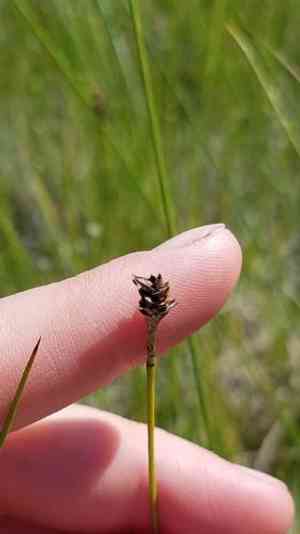
Carex obnupta is a delicate, enduring grass-like species belonging to the sedge family, flourishing in damp, acidic substrates such as fens and littoral wetlands. For reproduction, contemplate utilizing division, performed by gently detaching established clumps, verifying that each segment possesses roots and nascent growth, then promptly transplanting them. Consistent irrigation and maintaining a humid setting aid the successful establishment of the new divisions.
When Is the Optimal Time to Propagate Coastal Sedge?
Propagation Method
Division
Propagation Period
Spring,Autumn
What Equipment Is Utilized for Coastal Sedge Propagation?
Spade or Garden Fork
A spade or garden fork is crucial for excavating and lifting coastal sedge clumps from the ground. These implements help minimize root damage during plant extraction, which is vital for the division process.
Pruning Shears or Knife
Pruning shears or a sharp knife are employed to separate coastal sedge clumps into smaller portions. They must be sharp to ensure clean cuts, which reduce disease risk and promote faster healing in the divided sections.
Root Washing Station
A root washing station is beneficial for removing soil from coastal sedge's roots. This step is essential for assessing root health and making precise cuts during the division process.
Compost or Organic Matter
Compost or organic matter is incorporated to enrich the soil where coastal sedge will be replanted. It enhances soil structure and fertility, which is important for the successful establishment of the divided sections.
Watering Can or Hose with Soft Spray Nozzle
A watering can or hose with a soft spray nozzle is necessary for keeping coastal sedge adequately hydrated after replanting. Gentle watering methods prevent soil erosion and avoid damaging delicate roots.
Root Hormone (optional)
Root hormone can be applied to the divided sections of coastal sedge to stimulate root development. While not always required, it can be particularly advantageous if the plant is being propagated outside its ideal growing conditions.
Plant Labels and Markers
Plant labels and markers are useful for tracking coastal sedge divisions, helping ensure that the newly planted sections are monitored for their specific care requirements over time.
How to Propagate Coastal Sedge?
Propagation Type
Easy
How to Care for Your Newly Propagated Coastal Sedge?
How to Care for Your Newly Propagated Coastal Sedge?
After propagation, coastal sedge needs consistent moisture to establish a robust root system. Maintain regular irrigation, especially during dry spells, to keep the soil uniformly moist without becoming waterlogged. Mulching can aid in moisture retention and soil temperature regulation. Coastal sedge thrives in full sun to partial shade. Regularly inspect for pests and diseases, and remove any dead or damaged foliage to encourage healthy growth. Fertilize sparingly with a balanced fertilizer if needed, as excessive nutrients can lead to weak development. By providing these conditions, coastal sedge will establish well and continue to flourish in its new environment.
Common Errors to Avoid When Propagating Coastal Sedge
Overwatering
Excessive irrigation can lead to root rot and fungal infections, compromising the plant's overall health and ability to propagate successfully.
Using heavy, clay soil
Dense or compacted soils can impede root growth and limit oxygen availability, hindering the plant's development.
Improper lighting
Insufficient or overly intense light can stress the plant, affecting its growth and propagation success.
Ignoring pest control
Neglecting to monitor and manage pests can lead to infestations that weaken or kill the plant before it can establish properly.
Incorrect planting depth
Planting too deeply or too shallowly can disrupt root establishment, leading to poor growth and survival rates.
Tips For Propagating Coastal Sedge
Well-draining soil
Utilize a sandy or loamy soil mix that ensures good drainage to prevent root rot and promote healthy root growth.
Regular moisture management
Maintain consistent moisture levels in the soil, neither too dry nor waterlogged, to support sustained growth.
Proper lighting conditions
Provide partial to full sun exposure, which suits the plant's natural habitat and promotes healthy development.
Pest monitoring
Regularly inspect the plant for signs of pests and take appropriate measures, such as using natural predators or organic pesticides, to control populations.
Correct planting depth
Plant at the appropriate depth to ensure optimal root establishment and promote vigorous growth.



