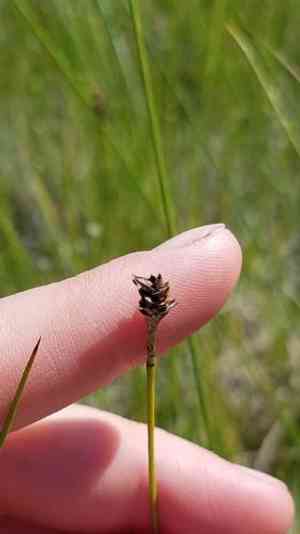
Coastal sedge (Carex exilis)
Also known as: Meager sedge
Coastal sedge, indigenous to North America, thrives along the coastline in various distinct populations. It predominantly inhabits coastal areas such as salt marshes, estuaries, and sandy or rocky shores. These specialized habitats are crucial for its survival but are increasingly threatened by human activities like coastal development, pollution, and climate change. Consequently, the coastal sedge is considered vulnerable due to the disruption and degradation of its natural environments.
In This Article
Attributes of Coastal sedge
Lifespan
Perennial
Plant Type
Grass
Plant Height
15 cm to 81 cm
Spread
15-30 cm
Leaf Color
Green
Flower Size
Small, inconspicuous
Flower Color
Yellow Green Brown
Images of Coastal sedge
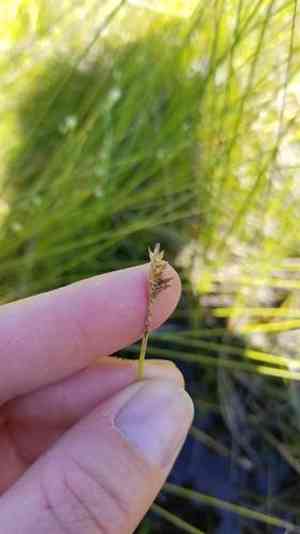
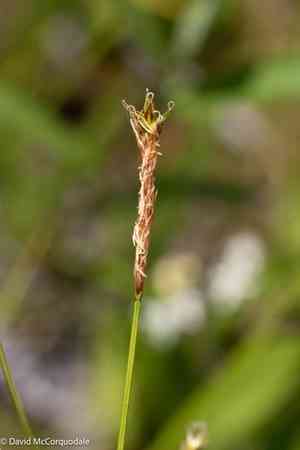
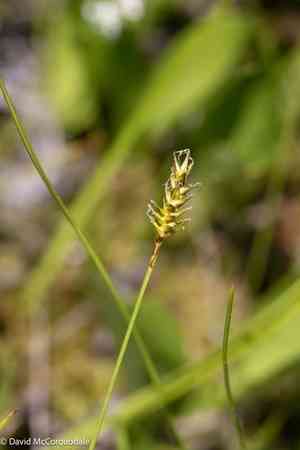
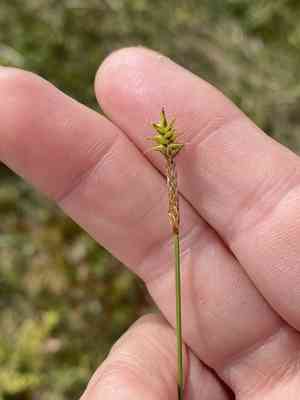
Quickly Identify Coastal sedge
1
Carex exilis can be identified by its slender, erect stems that are triangular in cross-section, and its narrow, grass-like leaves that are often longer than its stems. The plant produces small, inconspicuous flowers that form in spikes, and the seed heads are covered in scales.
Scientific Classification of Coastal sedge
Phylum
Vascular plants
Class
Monocotyledons
Order
Poales
Family
Sedge
Genus
True sedges
Species
Coastal sedge
Planting and Growing of Coastal sedge
Care Difficulty
Moderate
Watering Schedule
Every 4 days
Sunlight Requirements
Partial sun
Sunshine Duration
6-10 hours
Ideal Temperature
50-77℉
Soil Type
Potting Mix, Peat Mix
Soil pH
5-7
Fertilizer Type
Balanced
Pruning Season
Spring, Summer
Pruning Area
Branches, Leaves
Pruning Frequency
2 times a year
Repotting Season
Spring
Pot Type
Plastic, Ceramic
 How to Water Coastal sedge?
For Carex exilis, the watering amount must align with its preference for moist soil without waterlogging. Aim to water until the top 1-2 inches of soil is consistently damp, ensuring that water does not pool excessively at the base.
What are the symptoms of an underwatered Coastal sedge?
›
What should I do if my Coastal sedge is not getting enough water?
›
What are the symptoms of an overwatered Coastal sedge?
›
How to save an overwatered Coastal sedge?
›
 What Are the Sunlight Requirements for Coastal sedge?
Partial sun or full shade supports Carex exilis's growth by providing adequate light for photosynthesis, leading to healthy leaf production and overall vigor.
How much sun does Carex exilis need?
›
How to provide ideal lighting for Carex exilis?
›
What benefits does Carex exilis get from ideal lighting?
›
 What Is the Ideal Temperature Range for Coastal sedge?
Carex exilis thrives best in a temperature range of 50°F to 77°F. In this range, the plant exhibits optimal growth, health, and development. Ensuring this temperature bracket will help the plant to flourish without stress from environmental conditions.
 What Soil is Best for Coastal sedge?
Carex exilis thrives in well-drained soils which prevent root rot. This need ensures the roots receive adequate air flow, promoting healthy growth and resilience against disease. This plant demands consistent moisture without becoming waterlogged. High soil moisture content keeps the plant hydrated, vital for maintaining its lush, vibrant appearance. Rich soil with organic nutrients supports the robust growth of Carex exilis. Nutrients like nitrogen and phosphorus are essential for vigorous foliage and strong structural development.
 How to Fertilize Coastal sedge?
Carex exilis prefers light feeding. Use a half-strength balanced liquid fertilizer for liquid applications, while for slow-release fertilizers, ensure each application covers an area related to the plant’s size.
 How to Prune Coastal sedge?
Begin pruning Carex exilis in early spring, just as new growth begins to show, and again in late summer. Use sharp, clean scissors or garden shears to cut back any dead or damaged foliage. Trim the blades to about two-thirds of their length to encourage a fuller, bushier appearance. Focus on removing any brown or old leaves from the center to allow light to reach new shoots. Take care not to cut too close to the base, as this can damage the plant's crown.
More About Pruning Techniques→
 How to Propagate Coastal sedge plant?
1
Begin by collecting seeds from mature plants. Clean and dry them thoroughly before storing in a cool, dry place until you're ready to plant.
2
Fill a seed tray with well-draining potting mix. Sow the seeds evenly on the surface and lightly cover them with a thin layer of soil.
3
Once seedlings emerge, ensure they receive plenty of light. Water them regularly but avoid over-watering, which can lead to fungal issues or root rot.
 How to Repot Coastal sedge plant?
1
Carex exilis needs repotting when roots become crowded and start finding their way out of drainage holes. The best time to repot is during early spring or summer, when the plant is actively growing. This also allows it to quickly adapt to the new soil environment.
2
Select a pot that is one size larger than the current one, with good drainage holes to prevent waterlogging. A slightly larger pot allows the roots to spread out and access more nutrients, promoting healthier growth. Ceramic or plastic pots are ideal, ensuring stability and durability.
3
Choose a well-draining soil mix, ideally a blend that mimics the plant's natural wetland habitat, such as peat-based compost with sand. This type of soil retains enough moisture while allowing excess water to escape, preventing root rot and promoting healthy root development.
Toxicity
None
WARNING
The judgment on toxicity and danger is for reference only. We DO NOT GUARANTEE any accuracy of such judgment. Therefore, you SHALL NOT rely on such judgment. It is IMPORTANT TO SEEK PROFESSIONAL ADVICE in advance when necessary.
Learn More About Coastal sedge Diseases
Anthracnose
Bacterial Leaf Spot
Bacterial Soft Rot
Chemical Injury
Damping-off
Downy Mildew
Drought Stress
Fusarium Wilt
Gray Mold
Leaf Spot
Mosaic
Nutrient Deficiency
Nutrient Toxicity
Powdery Mildew
Root Rot
Root-knot Nematode
Rusts
Sooty Mold
Spider Mites
Temperature Stress
Thrips Damage
White Mold



