How to Prune Northern sedge?
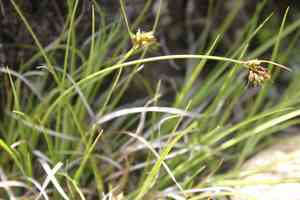
Careful trimming of Northern sedge, a unique shade-preferring sedge featuring gracefully arching, delicate foliage, is advantageous for preserving its vitality and form. Conduct this pruning in early spring or late winter, just prior to the emergence of new shoots. Eliminate any deceased or compromised stalks and shorten any excessively long sections to foster more compact development. Such maintenance not only improves its visual attractiveness but also facilitates superior air movement, thereby diminishing the likelihood of ailments. This specific period capitalizes on the plant's natural growth rhythm for peak recuperation and robustness.
What Are the Benefits of Pruning Northern Sedge?
What Are the Benefits of Pruning Northern Sedge?
Northern sedge thrives with trimming to encourage robust growth and maintain its form. Eliminating dead or damaged sections improves appearance, lowers disease risk, and ensures controlled development. Pruning fosters healthier, denser foliage, boosting overall vigor and pest resistance.
What Is the Best Time for Pruning Northern Sedge?
What Is the Best Time for Pruning Northern Sedge?
Trimming northern sedge during early spring and late winter is optimal as the plant is dormant, minimizing stress and potential harm. At this time, northern sedge has not yet initiated its active growth phase, allowing cuts to mend more effectively and reducing the chance of disease or pest infestations. Furthermore, pruning during these periods ensures that any dead or damaged parts are removed before the vigorous growth season, promoting healthier and more robust development.
What Tools Do I Need to Prune Northern Sedge?
Hand Pruners
Perfect for snipping small stems and leaves. Their accuracy helps keep northern sedge looking tidy.
Shears
Useful for quickly trimming larger areas. Excellent for shaping and maintaining the clump structure of northern sedge.
Long-Handled Loppers
Crucial for reaching into dense clumps without harming surrounding foliage. They offer leverage for cutting thicker stems.
Rake
Assists in clearing dead plant material from around northern sedge without damaging new growth.
How to Prune Northern Sedge
Inspection
Examine northern sedge closely to pinpoint any diseased or withered leaves.
Preparation
Sanitize pruning tools like shears or scissors to prevent the spread of pathogens.
Pruning
Carefully cut back diseased leaves near the base, ensuring all affected parts are removed.
Removal
Clip away withered leaves, making sure to trim any brown or dead foliage without harming healthy tissue.
Cleanup
Properly dispose of pruned material and re-clean your tools to maintain plant health.
Common Pruning Mistakes with Northern Sedge
Over-pruning
Removing too much of the plant at once can cause stress and impede growth.
Improper Tools
Using dull or unsuitable tools can create jagged cuts, making the plant vulnerable to disease.
Ignoring Plant Structure
Failing to consider the natural shape and growth habit of northern sedge can result in an unattractive or unhealthy plant.
Timing
Pruning at the wrong time can harm new growth or impair the plantâs ability to recover, even though the best season is not specified here.
Neglecting Clean-Up
Leaving pruned debris around the base can attract pests and disease.
Common Pruning Tips for Northern Sedge
Use Sharp Tools
Always use sharp, clean shears to make precise cuts and minimize infection risk.
Make Clean Cuts
Ensure each cut is smooth and clean to promote faster healing and reduce plant stress.
Prune Strategically
Focus on removing dead, damaged, or diseased stems first. This encourages healthier growth and improves overall plant structure.
Follow Natural Shape
Prune in a way that maintains the natural form and growth habit of northern sedge, ensuring a healthy and aesthetically pleasing plant.
Monitor Growth
Observe the plant's response to pruning and adjust techniques as needed to avoid over-pruning and ensure optimal health.



