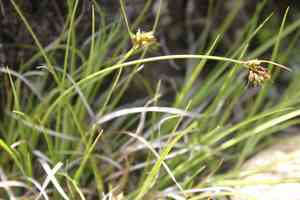
Northern sedge (Carex deflexa)
Also known as: Northern Sedge
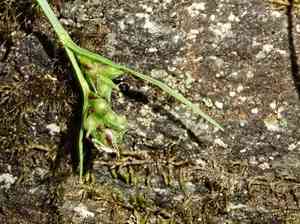
Northern sedge is a perennial plant that often forms dense clumps with slender, grass-like foliage. One distinguishing feature is its drooping seed heads, which appear in late spring. This sedge is versatile, growing in both moist and dry conditions. It is commonly found in woodland clearings, slopes, and wetlands, where it enhances the diversity of ground cover and supports ecological stability.
In This Article
Attributes of Northern sedge
Lifespan
Perennial
Plant Height
5 cm to 30 cm
Spread
10-20 cm
Leaf Color
Green
Flower Size
Small (less than 1 cm)
Flower Color
White Green Brown
Images of Northern sedge
Quickly Identify Northern sedge
1
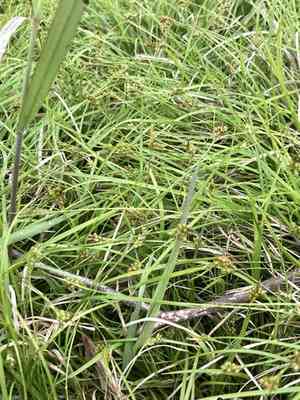
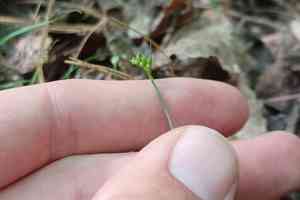
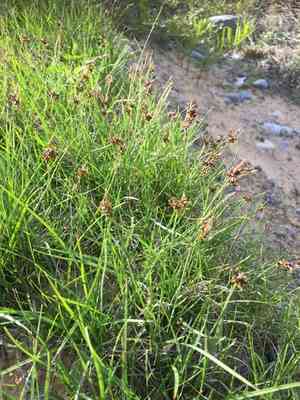
Carex deflexa can be identified by its arching stems which can grow up to 30 cm long. The plant has narrow, grass-like leaves that are green and somewhat soft to the touch. The inflorescences are small and can be found at the tips of the stems, consisting of small, greenish-brown spikelets.
Scientific Classification of Northern sedge
Phylum
Vascular plants
Class
Monocotyledons
Order
Poales
Family
Sedge
Genus
True sedges
Species
Northern sedge
Planting and Growing of Northern sedge
Care Difficulty
Easy
Watering Schedule
Every 3 days
Sunlight Requirements
Partial sun
Sunshine Duration
4-6 hours
Ideal Temperature
60-75℉
Soil Type
Potting Mix, Peat Mix
Soil pH
6.5-7.5
Fertilizer Type
Balanced
Pruning Season
Spring, Summer
Pruning Area
Branches, Leaves
Pruning Frequency
2 times a year
Repotting Season
Spring
Pot Type
Ceramic, Plastic
 How to Water Northern sedge?
When watering Carex deflexa, aim to ensure the soil is evenly moist but not waterlogged. Start by adding around 150 ml of water and check the soil consistency. The soil should feel slightly damp to the touch a few inches below the surface but not soggy. Adjust the amount slightly if needed, depending on environmental conditions like humidity and temperature.
What are the symptoms of an underwatered Northern sedge?
›
What should I do if my Northern sedge is not getting enough water?
›
What are the symptoms of an overwatered Northern sedge?
›
How to save an overwatered Northern sedge?
›
 What Are the Sunlight Requirements for Northern sedge?
Partial shade environments provide ideal light conditions for Carex deflexa, allowing it to thrive by reducing stress from bright sunlight and enhancing its coloration, ultimately promoting lush growth and robust health.
Indoor Care Lighting
›
Outdoor Positioning
›
Seasonal Adjustment
›
 What Is the Ideal Temperature Range for Northern sedge?
For the optimal growth of Carex deflexa, maintaining a range between 60°F and 75°F ensures that the plant thrives. This range closely mimics the natural habitat conditions, providing the plant with the right balance of warmth and humidity it requires. Maintaining temperatures outside this range may not provide the necessary conditions for its growth.
 What Soil is Best for Northern sedge?
Carex deflexa thrives in well-draining soil, preventing waterlogging and root rot. Ensuring the soil drains efficiently provides the plant with a robust root system, enhancing overall plant health and vigor. While the soil should drain well, Carex deflexa also benefits from moisture retentive properties. A balance between drainage and moisture helps maintain consistent hydration, promoting steady growth. This plant thrives in nutrient-rich soils, which provide essential minerals and nutrients for sustained growth and foliage development, resulting in lush, vibrant leaves and healthy plant structure.
 How to Fertilize Northern sedge?
Carex deflexa thrives best with moderate fertilization. Use a balanced 10-10-10 liquid fertilizer diluted to half the recommended strength. For slow-release granules, apply about 0.5 pounds per 100 square feet, ensuring even coverage across the plant's growing area.
 How to Prune Northern sedge?
Start by examining the plant for dead or damaged leaves, which should be the first to go. Gently use pruning shears to snip these away at the base. Aim for a clean cut to avoid frayed edges. Next, trim back any overgrown shoots that disrupt the plant's overall appearance, maintaining its natural shape. Ensure your tools are clean to prevent infection. In spring, focus on removing winter damage and encouraging new growth. During summer, trim back any wilting or browning tips to preserve the plant’s energy. In autumn, prepare the plant for dormancy by clearing out excessive foliage to reduce the potential for rot during wetter months. Avoid severe cuts, as these might stress the plant.
More About Pruning Techniques→
 How to Propagate Northern sedge plant?
1
Fill the seed tray with a high-quality, well-draining potting mix. Make sure the mix is moist but not soaked, as overly wet conditions can lead to seed rot.
2
Distribute the seeds evenly on the surface of the potting mix, pressing them in lightly. Ensure they are spaced appropriately to prevent overcrowding, which can hinder healthy growth.
3
Once seedlings have developed a strong root system and several leaves, carefully transplant them into larger pots or directly into the garden, ensuring each has enough space to grow.
 How to Repot Northern sedge plant?
1
Carex deflexa shows signs of needing repotting when you notice its roots circling the pot or emerging from drainage holes. These are clear indicators that the plant has outgrown its current home, and spring or autumn is the ideal time to give it a roomier abode. Repotting during these seasons minimizes stress and encourages vigorous growth.
2
Selecting an appropriate pot for Carex deflexa involves opting for one slightly larger than the current size, ensuring it has sufficient drainage holes. This ensures that excess water can escape, preventing root rot and promoting healthy plant development. A pot too large can hold excess moisture, which is not ideal for this species.
3
A well-draining rich soil mix is ideal for Carex deflexa, as it replicates the plant's natural environment. Such soil prevents waterlogging while providing essential nutrients, promoting robust growth and an overall healthy appearance. Combining standard potting mix with gritty substances like sand or perlite enhances drainage capacity.



