How to Prune Crawe's sedge?
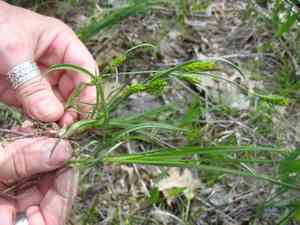
Crawe's sedge, a resilient sedge featuring unique slender leaves, flourishes with careful trimming. Essential methods involve trimming back aged foliage and eliminating deceased or compromised stalks to foster robust development. The most suitable periods for pruning are early spring and winter, coinciding with crawe's sedge's inactive and pre-development stages. Consistent trimming encourages thicker foliage and enhanced vitality. Verify that instruments are disinfected to avert illness, and apply mulch after pruning to aid in soil moisture preservation and root well-being.
What Are the Benefits of Pruning Crawe's Sedge?
What Are the Benefits of Pruning Crawe's Sedge?
Trimming crawe's sedge promotes vigorous development and maintains its form. Consistent trimming encourages strong growth, prevents excessive size, and preserves an appealing look, simplifying garden management.
What Is the Best Time for Pruning Crawe's Sedge?
What Is the Best Time for Pruning Crawe's Sedge?
Pruning crawe's sedge in early spring is advisable as it allows the plant to direct energy towards new growth during its active period. This timing helps prevent harm to new shoots and ensures a strong start for the upcoming season. Winter pruning is optimal because crawe's sedge is dormant, minimizing stress and reducing the risk of disrupting its growth cycle. Pruning during dormancy aids in maintaining the plant's health and shape without impacting its ability to produce flowers or seeds in the subsequent growing season.
What Tools Do I Need to Prune Crawe's Sedge?
Bypass Pruners
Perfect for making clean cuts on crawe's sedge, especially for removing old and dead foliage. Bypass pruners prevent stem crushing.
Hedge Shears
Useful for shaping and trimming larger clumps of crawe's sedge. Hedge shears ensure uniformity and encourage healthy growth.
Hand Pruners
Essential for precise cuts around the base and to remove specific, unwanted stems from crawe's sedge. Hand pruners offer control in tight areas.
Pruning Knife
Effective for cleanly cutting through tougher or older growth of crawe's sedge, ensuring smooth cuts to prevent plant damage.
How to Prune Crawe's Sedge
Assess
Examine crawe's sedge for any indications of diseased or withered leaves. Specifically look for discolored, spotted, or dried-out foliage.
Prepare
Sanitize pruning shears by wiping them with rubbing alcohol to prevent disease transmission. This is vital when dealing with infected parts.
Remove Diseased Leaves
Carefully cut away diseased leaves using sanitized shears. Make clean cuts close to the base of each leaf stalk to stop disease spread.
Trim Withered Leaves
Cut withered leaves back to ground level or the base of crawe's sedge. This helps maintain plant health and appearance by removing non-functional parts.
Dispose
Collect and discard all removed plant material away from your garden area to prevent any disease from spreading. Ideally, do not compost diseased leaves.
Common Pruning Mistakes with Crawe's Sedge
Over-pruning
Cutting back too much of crawe's sedge at once can stress the plant and hinder its natural growth cycle. This can lead to poor health and reduced flowering.
Improper Tools
Using dull or unsuitable tools can cause jagged cuts, making the plant more vulnerable to disease and pest infestation.
Ignoring Dead or Diseased Parts
Failing to remove dead or diseased foliage can allow pathogens to spread, compromising the overall health of crawe's sedge.
Incorrect Cuts
Incomplete or improper cuts can damage the stems and prevent proper regrowth. Cutting too close to the base or leaving stubs can hinder the plant's ability to heal properly.
Lack of Knowledge
Not understanding the growth pattern of crawe's sedge can result in pruning at the wrong times or in the wrong manner, affecting future growth and flowering.
Common Pruning Tips for Crawe's Sedge
Use Sharp, Clean Tools
Ensure your pruning shears are clean and sharp to make clean cuts and reduce the risk of disease.
Remove Dead and Diseased Foliage
Regularly inspect crawe's sedge and prune away any dead or diseased parts immediately to prevent the spread of pathogens.
Follow Natural Growth Patterns
Crawe's sedge has a specific growth habit, so follow its natural shape and avoid cutting into the main structure unless necessary.
Prune Lightly and Frequently
It's better to prune lightly and more frequently rather than making heavy cuts. This helps avoid stressing the plant and promotes consistent growth.
Stay Within the Canopy
When pruning, try to stay within the vegetative canopy of crawe's sedge. Avoid cutting into older, woody parts of the plant as it recovers more slowly from these cuts.
Observe and Adjust
Each plant is unique. Observe how crawe's sedge responds to your pruning and adjust your technique as needed for the best results.



