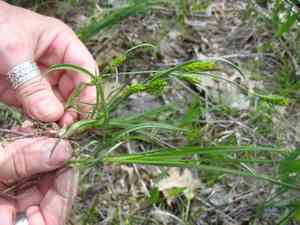
Crawe's sedge (Carex crawei)
Also known as: Crawe's Sedge
Crawe's sedge (Carex crawei) thrives in moist, open habitats such as wet meadows and fens. Unlike many other sedges, it spreads via rhizomes but does not form dense clumps, giving it a more scattered appearance. Its distinguishing features include its wiry stems and narrow, grass-like leaves. The plant's inflorescences are small, with male and female flowers on different spikes, with female spikes being shorter and densely packed. Crawe's sedge also serves as a food source for various insects, birds, and mammals.
In This Article
Attributes of Crawe's sedge
Lifespan
Perennial
Plant Type
Grass
Plant Height
5 cm to 38 cm
Spread
Not applicable
Leaf Color
Green
Flower Size
Not applicable
Flower Color
Yellow Green
Images of Crawe's sedge
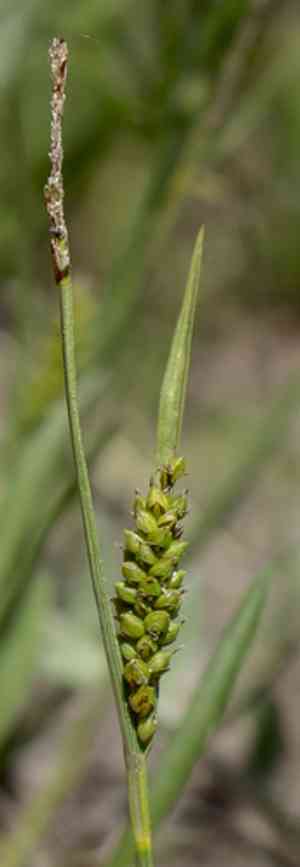
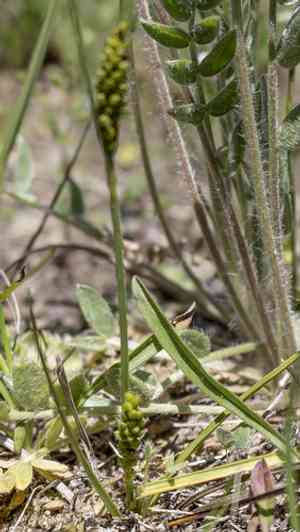
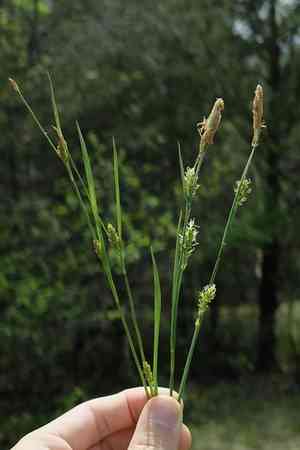
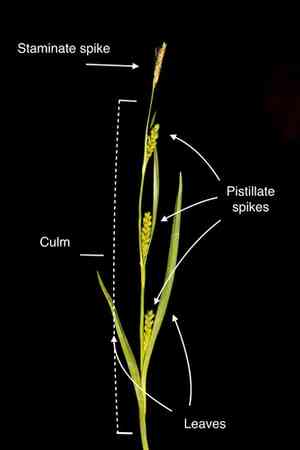
Quickly Identify Crawe's sedge
1
Identify Carex crawei by its slender stems, narrow leaves, and the arrangement of its spikelets in a dense cylindrical form. The spikelets often have a green to yellowish coloration.
Scientific Classification of Crawe's sedge
Phylum
Vascular plants
Class
Monocotyledons
Order
Poales
Family
Sedge
Genus
True sedges
Species
Crawe's sedge
Planting and Growing of Crawe's sedge
Care Difficulty
Moderate
Watering Schedule
Every 2 days
Sunlight Requirements
Partial sun
Sunshine Duration
6-12 hours
Ideal Temperature
60-75℉
Soil Type
Potting Mix, Peat Mix
Soil pH
6.5-7.5
Fertilizer Type
Balanced
Pruning Season
Spring, Summer
Pruning Area
Branches, Leaves
Pruning Frequency
2 times a year
Repotting Season
Spring
Pot Type
Plastic, Ceramic
 How to Water Crawe's sedge?
The amount of water needed for Carex crawei should mimic its natural habitat. Think of the moist areas in which it thrives, such as wetlands and meadows. Water thoroughly, so the soil feels consistently damp but not soggy. Aim for an even distribution of 200 milliliters per watering session, ensuring the soil retains its moisture but does not become waterlogged.
What are the symptoms of an underwatered Crawe's sedge?
›
What should I do if my Crawe's sedge is not getting enough water?
›
What are the symptoms of an overwatered Crawe's sedge?
›
How to save an overwatered Crawe's sedge?
›
 What Are the Sunlight Requirements for Crawe's sedge?
Partial sun with 4 to 6 hours of light daily supports balanced Carex crawei growth. Ideal lighting conditions facilitate strong, lush foliage and overall plant vitality, crucial for optimal growth and resilience.
What amount of light does Carex crawei prefer?
›
What are some solutions for achieving ideal lighting?
›
What are the benefits of ideal lighting?
›
 What Is the Ideal Temperature Range for Crawe's sedge?
Carex crawei thrives best in temperatures between 60°F and 75°F. This range allows for optimal physiological functions and promotes healthy growth. Within this range, the plant can perform photosynthesis efficiently and maintain proper metabolic rates, resulting in lush and vibrant foliage.
 What Soil is Best for Crawe's sedge?
Carex crawei thrives in well-draining soils that prevent water from pooling at the roots. This condition mitigates root rot and ensures that the plant has access to necessary oxygen at the root level, leading to healthier growth. Rich loam soils provide essential nutrients required for Carex crawei to flourish. The availability of organic materials and minerals supports vigorous plant growth and robust root systems. While drainage is important, some moisture retention in loam or sandy loam soils ensures that Carex crawei remains hydrated between watering, promoting sustained growth without the stress of drought.
 How to Fertilize Crawe's sedge?
For Carex crawei, a healthy balance is crucial. Use a mild liquid fertilizer diluted to one-quarter strength once every two weeks during the growing season. Avoid applying excessive amounts, as this can lead to nutrient overload.
 How to Prune Crawe's sedge?
Begin by lightly cutting back any brown or dead foliage in early spring. This will help promote new growth. During summer, inspect the plant for overgrown areas and perform additional light trimming to maintain shape. In autumn, focus on removing any remaining dead parts to prepare the plant for winter. Maintain the plant at a desired height by cutting back overgrown sections carefully. Aim to leave about two-thirds of the plant intact for optimal growth, as this allows enough foliage to sustain health while promoting a tidy appearance.
More About Pruning Techniques→
 How to Propagate Crawe's sedge plant?
1
Begin by collecting mature seeds from the plant. It is essential to clean the seeds and let them dry before planting to prevent fungal growth.
2
Prepare a well-draining potting mix for the seeds. Plant the seeds at the recommended depth and cover them lightly with soil. Water gently to keep the soil moist but not soggy.
3
Using a garden fork, carefully lift the mature clumps of Carex crawei from the ground. Gently separate the clumps into smaller sections ensuring that each has an adequate root system attached.
 How to Repot Crawe's sedge plant?
1
For Carex crawei, repot when you observe roots emerging from the drainage holes. This indicates that the plant has outgrown its current pot and needs more space. Spring or Autumn are ideal as these seasons support growth while minimizing stress.
2
When selecting a pot, ensure it is slightly larger than the current one. The pot should have ample drainage holes to prevent waterlogging, which can harm the roots. A larger pot facilitates better root expansion and healthier plant growth overall.
3
Opt for a sandy loam mix with excellent drainage to replicate its natural habitat. This soil type prevents water stagnation and allows roots to breathe, promoting vigorous root health and overall plant vitality.



