How to Prune Button sedge?
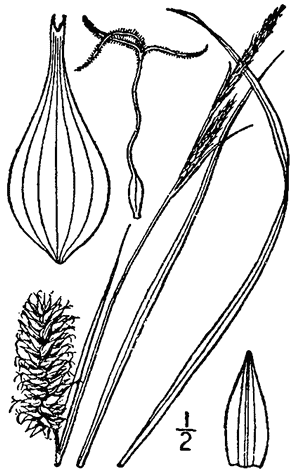
Button sedge is known for its compact, clustered development and unique button-shaped seed structures. Essential trimming methods include removing withered or compromised leaves to sustain vitality. The best times for pruning are early spring and winter, coinciding with its inactive period, to guarantee minimal interference with its development. Consistent trimming enhances air movement, lowers the chance of illness, and encourages fresh, robust sprouts. This straightforward upkeep regimen boosts the plant's decorative value and general well-being.
What Are the Benefits of Pruning Button Sedge?
What Are the Benefits of Pruning Button Sedge?
Trimming button sedge encourages robust development, helps the plant keep a desired form, and boosts its overall health. Regular cutting prevents excessive growth, supports structural soundness, and lowers the chance of pest and disease issues, simplifying plant care for gardeners.
What Is the Best Time for Pruning Button Sedge?
What Is the Best Time for Pruning Button Sedge?
Cutting back button sedge in early spring or winter is advised due to factors related to its growth and well-being. During these periods, button sedge is typically dormant, which minimizes stress and harm to the plant. Pruning then allows for healthy growth in the upcoming season. Additionally, trimming before new growth starts in early spring helps shape the plant and remove dead or damaged leaves, promoting strong and vigorous growth. Performing trimming in winter or early spring ensures the plant recovers quickly as it enters its active growth phase.
What Tools Do I Need to Prune Button Sedge?
Hand Pruners
Hand pruners are perfect for cutting individual stems and managing small areas of button sedge. They allow for precise cuts and easy handling of the plant's delicate stems.
Hedge Shears
Hedge shears are suitable for larger clusters of button sedge where uniform cutting is needed. They help maintain an even look and are efficient for quickly trimming bigger sections.
Lawnmower with High Blades
For extensive areas covered with button sedge, a lawnmower set to a high blade height can effectively manage the plant. This tool ensures consistent height and encourages healthy regrowth.
How to Prune Button Sedge
Inspect
Thoroughly examine button sedge to find any diseased or withered leaves that require trimming.
Sanitize
Disinfect pruning shears with rubbing alcohol or a bleach solution to prevent the spread of disease.
Trim diseased
Carefully cut diseased leaves close to the base of button sedge, making sure to remove the entire affected part.
Trim withered
Remove withered leaves by cutting them away at the base, making clean cuts to avoid damaging healthy tissues.
Dispose
Properly dispose of all trimmed plant material, ideally by burning or bagging, to ensure pathogens do not spread back to button sedge.
Common Pruning Mistakes with Button Sedge
Improper technique
Using dull or unsuitable tools can harm the plant and increase the risk of disease.
Over-pruning
Removing too much foliage can stress button sedge, leading to poor growth and reduced flowering.
Incorrect timing
Pruning button sedge at the wrong time can disrupt its growth cycle and hinder its natural development.
Neglecting dead or damaged leaves
Failing to remove dead or damaged foliage can attract pests and diseases, affecting the overall health of button sedge.
Common Pruning Tips for Button Sedge
Use sharp, clean tools
Ensure your pruning shears or scissors are well-maintained to make clean cuts and reduce the risk of disease transmission.
Prune selectively
Focus on removing only the dead, damaged, or diseased parts of button sedge, taking care not to over-prune.
Maintain plant shape
Prune to help maintain the natural shape and size of button sedge, ensuring it has space for air circulation and light penetration.
Monitor plant health
Regularly inspect button sedge for signs of disease or pest infestations, and address issues promptly to maintain its vigor.
Practice consistent pruning
Regular, light pruning is often more beneficial than infrequent, heavy pruning, helping button sedge to thrive continuously.



