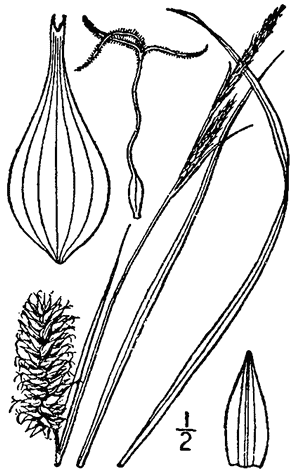
Button sedge (Carex bullata)
Also known as: Button Sedge
Button sedge (Carex bullata) is a colony-forming species typically found in wetlands, including bogs, wet meadows, and swamps. It thrives in acidic, nutrient-deficient soils.
In This Article
Attributes of Button sedge
Lifespan
Perennial
Plant Type
Grass
Plant Height
2 to 3 feet
Spread
N/A
Leaf Color
Dark Green
Flower Size
N/A
Flower Color
Yellow Green Brown
Images of Button sedge
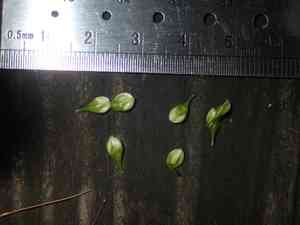
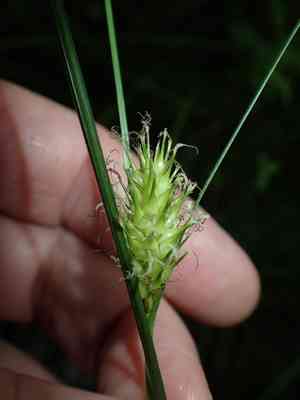
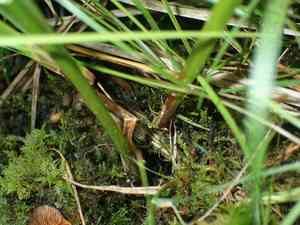
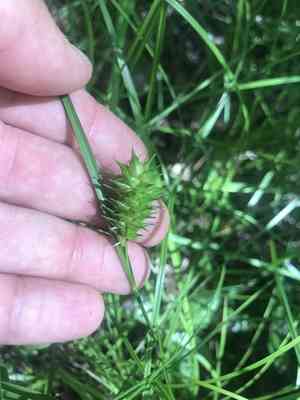
Quickly Identify Button sedge
1
To identify Carex bullata, look for its clump-forming growth habit, dark green leaves, and characteristic spherical seed heads.
Scientific Classification of Button sedge
Phylum
Vascular plants
Class
Monocotyledons
Order
Poales
Family
Sedge
Genus
True sedges
Species
Button sedge
Planting and Growing of Button sedge
Care Difficulty
Easy
Watering Schedule
Every 2 days
Sunlight Requirements
Partial sun
Sunshine Duration
6-10 hours
Ideal Temperature
60-75℉
Soil Type
Potting Mix, Peat Mix
Soil pH
5.5-7.5
Fertilizer Type
Balanced
Pruning Season
Spring, Summer
Pruning Area
Branches, Leaves
Pruning Frequency
2 times a year
Repotting Season
Spring
Pot Type
Plastic, Ceramic
 How to Water Button sedge?
The recommended watering amount for Carex bullata is about 200 milliliters per session. It's essential to ensure that the soil is thoroughly moistened, but avoid letting it become waterlogged. This plant appreciates consistent moisture levels without standing water.
What are the symptoms of an underwatered Button sedge?
›
What should I do if my Button sedge is not getting enough water?
›
What are the symptoms of an overwatered Button sedge?
›
How to save an overwatered Button sedge?
›
 What Are the Sunlight Requirements for Button sedge?
Partial sun to full shade is ideal, providing about 4 to 6 hours of light daily. This range ensures Carex bullata can sustain healthy growth, maintain its green foliage, and reproduce effectively without being damaged by harsh direct sunlight.
Does Carex bullata thrive in full sun?
›
What is the best ambiance for Carex bullata?
›
How can I achieve optimal lighting conditions for growth?
›
 What Is the Ideal Temperature Range for Button sedge?
The ideal temperature range for growing Carex bullata is between 60°F to 75°F. This range provides the optimal conditions for photosynthesis and nutrient absorption, allowing the plant to thrive and maintain healthy growth. Consistent temperature within this range supports robust root development and overall vitality.
 What Soil is Best for Button sedge?
Carex bullata thrives in soil enriched with organic matter, which helps to retain moisture and provide essential nutrients. This condition mimics its natural habitat, allowing it to grow lush and healthy. This plant prefers soils that maintain consistent moisture levels. Ensuring the soil does not dry out completely supports its growth and prevents stress, leading to vibrant foliage. While moisture is vital, Carex bullata also requires soils that ensure proper drainage. This prevents waterlogging, which can lead to root rot and other detrimental conditions.
 How to Fertilize Button sedge?
Carex bullata requires a balanced approach in fertilizer application. Use a liquid fertilizer diluted to half-strength for every application. When using slow-release fertilizers, opt for a 14-14-14 (N-P-K) formula ensuring no more than one teaspoon spread evenly around the base of the plant.
 How to Prune Button sedge?
At the beginning of spring, inspect the plant for any dead or damaged blades. Trim these away at the base to encourage fresh, new growth. This will allow more sunlight and air to reach the healthy portions. In later summer, focus on shaping the plant to maintain its desired form. Carefully trim excess growth around the sides and top, being mindful not to disrupt the natural silhouette of the Carex bullata.
More About Pruning Techniques→
 How to Propagate Button sedge plant?
1
Collect seeds from mature Carex bullata plants in late summer. Clean and dry the seeds before planting. Use seed trays filled with a suitable, well-draining seed-starting mix. Sow seeds lightly, covering them with a thin layer of soil. Keep the tray in a warm, well-lit area to promote germination.
2
Select a healthy, mature Carex bullata plant. Use a garden trowel to carefully dig around the plant, lifting it out of the soil. Gently tease apart the roots, ensuring each divided section has a good root system. Replant each section in a prepared bed or pot with fresh soil, water thoroughly.
3
Germinating seedlings and newly divided plants require consistent moisture for successful establishment. Water the soil gently to avoid washing away seeds or disturbing the roots. Maintain high humidity by covering seed trays with plastic or placing them in a greenhouse setting.
 How to Repot Button sedge plant?
1
Look for signs such as roots growing out of the drainage holes, slow growth, or the soil drying out more quickly than usual. These indicate it's time for a larger pot or fresh soil to provide more nutrients.
2
Select a well-draining pot with slightly larger diameter than the current one. This ensures root space for growth and prevents waterlogging, which is beneficial for keeping Carex bullata healthy and thriving.
3
Opt for a moist, loamy soil mix that provides good drainage while retaining adequate moisture. This soil ensures that Carex bullata gets all the necessary nutrients and prevents root rot, thereby supporting its growth.
Learn More About Button sedge Diseases
Anthracnose
Bacterial Leaf Spot
Chemical Injury
Crown Gall
Cyst Nematode
Damping-off
Downy Mildew
Drought Stress
Fusarium Wilt
Gray Mold
Leaf Spot
Mosaic
Nutrient Deficiency
Nutrient Toxicity
Powdery Mildew
Root Rot
Root-knot Nematode
Rusts
Sooty Mold
Spider Mites
Temperature Stress
Thrips Damage
White Mold



