How to Propagate Button sedge?
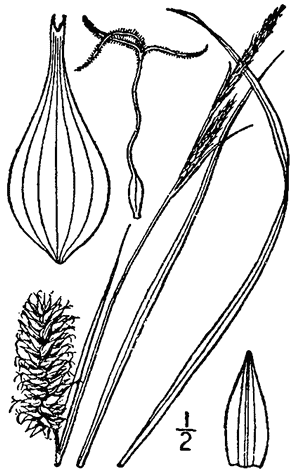
Button sedge flourishes in aquatic habitats and exhibits a clustered growth pattern. For reproduction, dividing the plant is exceptionally efficient. Gently separate the root masses, making sure every segment possesses robust sprouts. Place the divisions in damp, adequately draining soil under conditions ranging from partial to complete sunlight to stimulate development. This technique ensures genetic uniformity and strength among new specimens, boosting the aesthetic and environmental benefits of button sedge.
Optimal Period for Button Sedge Propagation
Propagation Type
Division
Propagation Season
Spring,Autumn
Tools Utilized for Button Sedge Propagation
Garden Fork
A garden fork is vital for carefully lifting and separating button sedge root clumps. Its sturdy tines penetrate dense soil, minimizing root damage during division.
Sharp Spade
A sharp spade is essential for precisely cutting through button sedge's dense root systems. Its keen edge ensures clean cuts, separating clumps without excessive root trauma.
Pruning Shears
Pruning shears are used to trim button sedge foliage and roots post-division. They aid in removing damaged parts, promoting healthy new growth.
Root Knife
A root knife is especially useful for button sedge, allowing precise separation of intertwined roots. Its sharp, narrow blade is ideal for densely packed root balls.
Watering Can with Fine Rose
A watering can with a fine rose attachment ensures gentle irrigation for newly divided plants. This prevents soil erosion and protects tender button sedge roots after replanting.
Plant Labels
Plant labels are crucial for tracking each button sedge division. Labeling helps monitor growth and manage different sections of the propagation area.
Potting Mix
High-quality potting mix ensures divided button sedge clumps are transplanted into an appropriate medium that supports root development and provides essential nutrients.
Root Hormone Powder
Root hormone powder can be applied to button sedge division cut ends to encourage root growth. This is particularly helpful for rapid establishment of new plants.
Clean Buckets
Clean buckets are important for soaking divided button sedge clumps in water before replanting. Rehydrating roots reduces transplant shock and encourages quicker adaptation.
Mulch
Applying mulch around newly divided and transplanted button sedge helps retain moisture, suppress weeds, and regulate soil temperature, fostering a healthier environment for root establishment.
How to Propagate Button Sedge?
Propagation Type
Easy
Caring for Your Newly Propagated Button Sedge
Caring for Your Newly Propagated Button Sedge
Post-propagation, keep newly divided button sedge well-hydrated, especially during dry periods. Observe plants for stress or disease, and maintain consistent soil moisture. Fertilize with a balanced, slow-release product once new growth appears. Regularly check for and remove weeds that may compete for nutrients and water. Trim dead or damaged foliage to encourage robust, healthy growth.
Common Errors to Avoid When Propagating Button Sedge
Overwatering
Button sedge is prone to root rot when overwatered. Continuously waterlogged soil deprives roots of oxygen, leading to fungal infections and plant demise.
Poor Drainage
Inadequate drainage in containers or planting sites can cause water to stand. This results in root rot and hinders the plant's development.
Incorrect Soil Type
Using heavy clay soils or overly rich organic matter can suffocate button sedge roots. The plant prefers well-drained, sandy, or loamy soil.
Neglecting Sunlight Needs
Planting button sedge in areas with insufficient light can lead to weak, elongated growth. The plant thrives in full to partial sun.
Advice for Propagating Button Sedge
Adequate Watering
Ensure the soil remains moist but not waterlogged. Allow the top layer of soil to dry slightly between waterings to prevent root rot.
Proper Drainage
Utilize well-draining soil and consider adding sand or fine gravel to enhance drainage. Confirm that containers have drainage holes.
Suitable Soil Type
Opt for sandy or loamy soil that permits good aeration and drainage. Avoid heavy clay soils that retain too much moisture.
Sunlight Exposure
Plant button sedge in a location where it will receive full to partial sun. This will promote healthy growth and strong development.



