How to Prune Brome-like sedge?
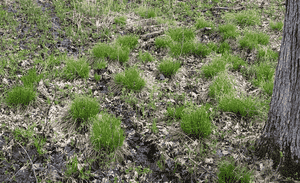
Brome-like sedge, a grass that prefers damp conditions and tolerates shade, flourishes in marshy environments. To foster robust development and sustain a pleasing clump configuration, trim away any withered or discolored foliage in late winter or early spring. Strategic trimming benefits brome-like sedge by inhibiting self-propagation and dispersal, thus ensuring a neat look. Employ sharp cutting tools for precise incisions, thereby reducing plant stress and the potential for illness. Refrain from excessive trimming to safeguard the plant's inherent structure.
Advantages of Trimming Brome-like Sedge
Advantages of Trimming Brome-like Sedge
Trimming brome-like sedge encourages robust new development and preserves its desired shape. Cutting back overgrown sections can improve air movement and light penetration, crucial for the plant's health and resilience.
Optimal Time for Trimming Brome-like Sedge
Optimal Time for Trimming Brome-like Sedge
Trimming brome-like sedge in early spring is advantageous as it coincides with the start of brome-like sedge's active growth period, allowing the plant to recover from cuts and regrow effectively. This timing also prevents disruption to the plant's health and natural blooming cycle, as brome-like sedge typically blooms from late spring to summer. Winter trimming is also suitable, as brome-like sedge is dormant during this season. Pruning during dormancy can minimize plant stress and lower the risk of disease transmission, as many pathogens are less active in cold weather. Furthermore, the absence of leaves in winter offers better visibility of the plant's structure, enabling more accurate trimming.
Tools Required for Trimming Brome-like Sedge
Sharp Bypass Pruners
Bypass pruners are recommended for brome-like sedge because they create clean cuts without crushing stems. This tool is vital for thinning dense foliage and removing damaged or old leaves.
Hand Shears
Hand shears are appropriate for generally trimming brome-like sedge's foliage when shaping the plant or cutting back for routine seasonal care.
Gardening Gloves
Gardening gloves protect hands from potential irritants when handling brome-like sedge and provide a better grip on tools during trimming, contributing to precise cuts.
How to Trim Brome-like Sedge
Hygiene
Prepare clean and sharp pruning shears. Dip them in a solution of 1 part bleach to 9 parts water to prevent disease spread.
Identification
Thoroughly inspect brome-like sedge to pinpoint diseased and withered leaves. These typically show discoloration, spots, or appear dry and brittle.
Removal of diseased parts
Carefully snip off diseased leaves from brome-like sedge near the base, being careful not to harm healthy tissue.
Removal of withered parts
Remove withered leaves from brome-like sedge by cutting them at their base, where they meet healthy growth, to encourage new foliage and improve air circulation.
Cleanup
Dispose of removed material away from healthy plants to reduce disease risk and clean shears after use.
Common Trimming Errors with Brome-like Sedge
Excessive trimming
Removing too much foliage from brome-like sedge at once can stress the plant, leading to stunted growth or a weakened state that could attract pests and diseases.
Cutting into the crown
Attempting to prune by cutting into or too close to the crown of brome-like sedge can damage the plantâs growth points and potentially kill it.
Using dull tools
Trimming brome-like sedge with dull or dirty tools can result in jagged cuts that are more susceptible to infection.
Uneven trimming
Trimming brome-like sedge unevenly can lead to an unbalanced appearance and may hinder the plantâs ability to grow uniformly.
General Trimming Advice for Brome-like Sedge
Sanitized tools
Always use clean, sharp tools to make precise cuts on brome-like sedge, which aids in quick recovery and reduces disease risk.
Minimal trimming
Trim brome-like sedge sparingly, as it naturally maintains an attractive shape; focus on removing dead or yellowing foliage to promote new growth.
Hand trimming
For brome-like sedge, hand trimming may be preferable over using larger tools, allowing for greater control and precision.
Post-flowering trim
Trimming brome-like sedge after it has bloomed can help maintain its appearance and prevent self-seeding if not desired.



