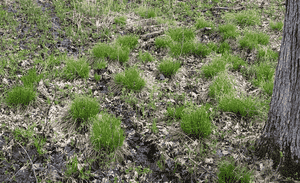
Brome-like sedge (Carex bromoides)
Also known as: Brome-sedge
Soft Rush (Juncus effusus) is a great choice for wetland restoration projects. This plant resembles a clump of vibrant green grass, making it visually appealing. Additionally, Soft Rush attracts a diverse array of butterflies and provides seeds that many bird species enjoy.
In This Article
Attributes of Brome-like sedge
Lifespan
Perennial
Plant Type
Grass
Plant Height
23 cm to 30 cm
Spread
38 cm to 53 cm
Leaf Color
Green
Flower Size
1.9 cm to 6 cm
Flower Color
White Yellow Brown
Images of Brome-like sedge
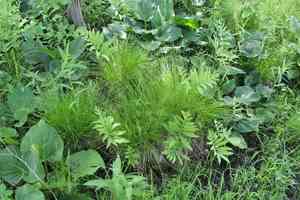
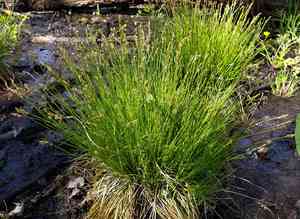
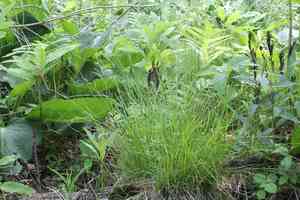
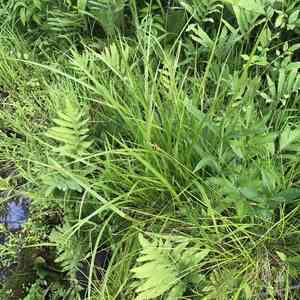
Quickly Identify Brome-like sedge
1
Carex bromoides can be identified by its narrow, grass-like leaves that are typically 1-3 mm wide. The plant has a clumping growth habit and produces triangular stems with spiky flower clusters at the top. These clusters can help differentiate it from other Carex species.
Scientific Classification of Brome-like sedge
Phylum
Vascular plants
Class
Monocotyledons
Order
Poales
Family
Sedge
Genus
True sedges
Species
Brome-like sedge
Planting and Growing of Brome-like sedge
Care Difficulty
Easy
Watering Schedule
Every 3 days
Sunlight Requirements
Partial sun
Sunshine Duration
6-12 hours
Ideal Temperature
60-75℉
Soil Type
Potting Mix, Peat Mix
Soil pH
5-7
Fertilizer Type
Balanced
Pruning Season
Spring, Summer
Pruning Area
Branches, Leaves
Pruning Frequency
Once a year
Repotting Season
Spring
Pot Type
Plastic, Ceramic
 How to Water Brome-like sedge?
For Carex bromoides, it is essential to keep the soil consistently moist but not waterlogged. Aim to water with about 500 milliliters per session, ensuring it penetrates the soil evenly. The ideal is to create a moist environment without pooling water on the surface, which could lead to root rot.
What are the symptoms of an underwatered Brome-like sedge?
›
What should I do if my Brome-like sedge is not getting enough water?
›
What are the symptoms of an overwatered Brome-like sedge?
›
How to save an overwatered Brome-like sedge?
›
 What Are the Sunlight Requirements for Brome-like sedge?
Carex bromoides prefers partial sun to full shade. Ideal lighting enhances its growth, maintaining vibrant green foliage and supporting healthy development without risking leaf burn.
More About Sunlight Requirements Techniques→
What is the ideal lighting for Carex bromoides?
›
How can I ensure Carex bromoides gets its ideal lighting?
›
What are the benefits of ideal lighting for Carex bromoides?
›
 What Is the Ideal Temperature Range for Brome-like sedge?
The ideal temperature range for Carex bromoides is between 60°F and 75°F. This range provides optimal conditions for growth and ensures the plant can effectively photosynthesize and thrive. Staying within this temperature range helps maintain the plant's physiological processes and overall health.
 What Soil is Best for Brome-like sedge?
Carex bromoides thrives in nutrient-rich soils that provide essential minerals and nutrients needed for healthy growth. Such soils promote lush foliage and robust root development, benefiting overall plant health. The soil should have moderate moisture retention to keep the roots hydrated without becoming waterlogged. Balanced moisture levels prevent root rot and encourage steady growth, especially during dry spells. Well-drained soil is crucial to avoid water accumulation around the roots, which can lead to diseases. Proper drainage ensures air circulation and helps maintain optimal root function, promoting vigorous plant growth.
 How to Fertilize Brome-like sedge?
For Carex bromoides, moderate fertilization is key. Utilize a balanced liquid fertilizer with an N-P-K ratio around 10-10-10, diluted to half strength. Apply approximately 25-30 ml of the diluted solution per plant, ensuring the soil is already moist to prevent root damage. Over-fertilization can lead to salt accumulation, so it's essential to never exceed recommended amounts.
 How to Prune Brome-like sedge?
When pruning Carex bromoides, always use sharp, clean gardening tools to make precise cuts. Wearing gloves can protect your hands from cuts or irritation. It's also crucial to disinfect your tools before and after pruning to minimize the risk of spreading diseases between plants. Begin by carefully removing any dead, damaged, or discolored foliage near the base of the plant. Trim lightly around the edges to maintain its natural shape, avoiding excessive cutting which might stress the plant. It's essential to keep the natural form as Carex bromoides has an attractive, delicate arching appearance. After pruning, clear away all cuttings to discourage pests from settling.
More About Pruning Techniques→
 How to Propagate Brome-like sedge plant?
1
Sow seeds in seed trays filled with a moist, well-draining seed starting mix. Cover the seeds lightly with soil and maintain consistent moisture levels during the germination period.
2
Divide established clumps by carefully lifting them from the ground, ensuring you have a healthy root mass. Use a sharp spade to divide the clump into smaller sections, each with roots.
3
After division, transplant the sections into prepared soil. Ensure they are spaced appropriately to allow for growth and provide them with adequate water to establish roots.
 How to Repot Brome-like sedge plant?
1
Carex bromoides needs repotting when roots start to circle the pot or emerge from the drainage holes. Spring and summer are ideal times for this as the plant is actively growing and can recover more swiftly from the repotting process.
2
Select a pot just slightly larger than the current one to prevent excessive soil moisture, which can lead to root rot. An extra inch in diameter tends to suffice, ensuring enough room for new growth while making it easier for the soil to dry between waterings.
3
Opt for a well-draining loamy soil mix that retains moisture without becoming waterlogged. This kind of soil supports robust root development and reduces the risk of fungal diseases, offering a balance of aeration and moisture retention.
Learn More About Brome-like sedge Diseases
Anthracnose
Bacterial Leaf Spot
Bacterial Soft Rot
Damping-off
Downy Mildew
Drought Stress
Fusarium Wilt
Gray Mold
Leaf Spot
Mosaic
Nutrient Deficiency
Nutrient Toxicity
Powdery Mildew
Root Rot
Root-knot Nematode
Rusts
Sooty Mold
Spider Mites
Temperature Stress
Thrips Damage
White Mold
Chemical Injury



