How to Prune Drooping woodland sedge?
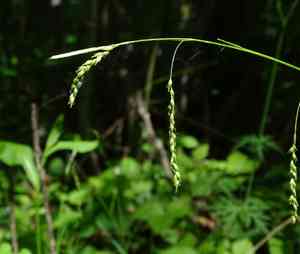
Distinguished by its gracefully curved, grass-like foliage, drooping woodland sedge flourishes in shaded environments and is frequently encountered in forested areas. Trimming drooping woodland sedge ought to be performed in early spring or during the winter season prior to the emergence of new shoots. When pruning, concentrate on eliminating deceased or excessively large leaves to foster more robust, thicker development. Effective pruning improves air movement and diminishes the likelihood of pest infestations, preserving the plant's visual appeal and vigor. Verify that implements are keen and sanitized to avert the spread of pathogens.
What Are the Benefits of Pruning Drooping Woodland Sedge?
What Are the Benefits of Pruning Drooping Woodland Sedge?
Trimming drooping woodland sedge promotes robust development and maintains its form, ensuring lush, healthy foliage in a compact shape, enhancing its visual appeal in garden settings.
What Is the Best Time for Pruning Drooping Woodland Sedge?
What Is the Best Time for Pruning Drooping Woodland Sedge?
Pruning drooping woodland sedge in early spring is recommended as the plant is just exiting dormancy, which allows for the stimulation of new growth and revitalization after the winter rest period. This timing ensures minimal stress on drooping woodland sedge while maximizing its growth potential for the upcoming growing season. Additionally, pruning in winter, when the plant is inactive, is also ideal as it helps to maintain the shape and health of drooping woodland sedge without disrupting its growth cycle. During this period, the absence of active growth means cuts and wounds can heal before the onset of new growth in spring, reducing the risk of pest infestations and diseases.
What Tools Do I Need to Prune Drooping Woodland Sedge?
Sharp Scissors or Hand Pruners
For 'drooping woodland sedge', which typically doesn't grow tall but spreads via rhizomes, sharp scissors or hand pruners are crucial. They enable precise cuts that help preserve the plant's health and look without causing unnecessary harm to its delicate foliage.
Gardening Gloves
While not a direct pruning tool, gloves are advised due to 'drooping woodland sedge's preference for damp, often muddy environments. Gloves shield your hands from dirt and moisture, while also preventing any potential irritation from extended contact with plant material during the pruning process.
Leaf Rake
After trimming 'drooping woodland sedge', a leaf rake can be utilized to gently collect and remove the trimmed foliage. This tool is particularly useful for 'drooping woodland sedge' given its growth habit, as it assists in cleanup without disturbing the root system of nearby garden plants.
How to Prune Drooping Woodland Sedge
Identify
Locate and mark the diseased and withered leaves of drooping woodland sedge before beginning the pruning process. This careful identification ensures that only the unhealthy parts of the plant are removed, which helps maintain the health and appearance of drooping woodland sedge.
Disinfect
Sanitize your pruning tools before and after cutting the marked leaves. Use a bleach or alcohol solution to prevent the spread of diseases to healthy parts of drooping woodland sedge or other plants.
Cut
Sever the identified diseased and withered leaves at their base where they connect to the stem. Use sharp, clean scissors or pruning shears to make precise cuts that minimize damage to the remaining healthy tissue of drooping woodland sedge.
Clean
Remove all cut leaves from the area around drooping woodland sedge to prevent any potential reinfestation or disease spread. Dispose of the waste properly in a sealed bag or compost if suitable.
Inspect
Perform a final check of drooping woodland sedge after pruning to ensure no diseased or withered leaves have been overlooked. Examine the plant's overall health closely and remove any additional leaves if necessary.
Common Pruning Mistakes with Drooping Woodland Sedge
Over pruning
A frequent error is removing too much foliage from drooping woodland sedge, which can stress the plant and diminish its vigor. Drooping woodland sedge benefits from a more conservative approach, where only dead or unhealthy tissue is cut away.
Improper technique
Using dull or dirty pruning tools can harm the delicate stems of drooping woodland sedge, leading to frayed cuts that may invite disease. Always use sharp, clean shears to make smooth cuts.
Pruning healthy growth
Some gardeners mistakenly remove healthy growth in an attempt to shape or thin drooping woodland sedge, which can impede its natural form and health. It is important to only prune away dead or damaged foliage.
Common Pruning Tips for Drooping Woodland Sedge
Clean cuts
Utilize sharp, sterilized pruning shears to make precise cuts. This lessens the damage to drooping woodland sedge's tissues, promoting faster healing and reducing disease risk.
Selective pruning
Focus on removing only the dead or damaged leaves and spent flower stems. This targeted pruning helps maintain the health and natural appearance of drooping woodland sedge, encouraging stronger growth and greater resilience.
Post-pruning care
After pruning, provide drooping woodland sedge with appropriate care, including adequate water (considering its preference for moist, well-drained soil) and an optional application of a balanced, slow-release fertilizer to support recovery and vigor.



