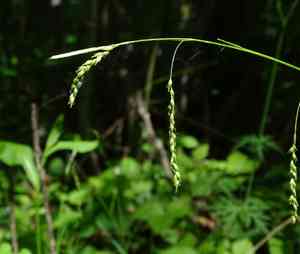
Drooping woodland sedge (Carex arctata)
Also known as: Northern Sedge, Arctic Sedge
The drooping woodland sedge (*Carex arctata*) is a forest and woodland plant native to various habitats across the United States. Despite its widespread presence, it is currently classified as endangered in New Jersey, Ohio, and Indiana. This sedge features appealing yellow flowers in early summer but remains uncommon in ornamental gardening and is seldom observed outside its natural habitats.
In This Article
Attributes of Drooping woodland sedge
Lifespan
Perennial
Plant Type
Grass
Plant Height
20 cm to 1.02 m
Spread
Not applicable
Leaf Color
Green
Flower Size
0.5-1 cm
Flower Color
Yellow Green
Images of Drooping woodland sedge
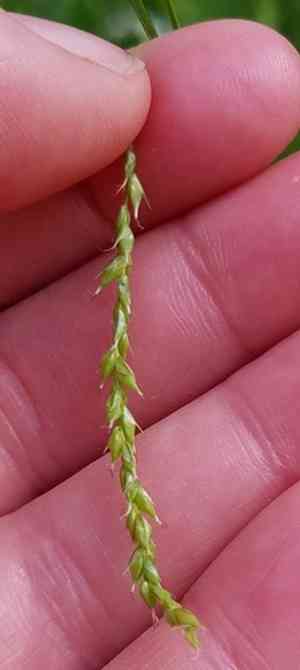
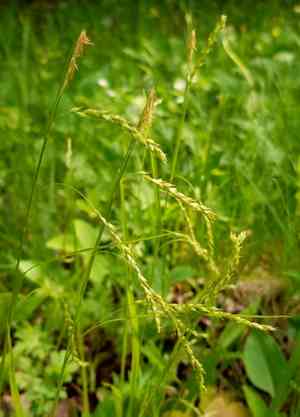
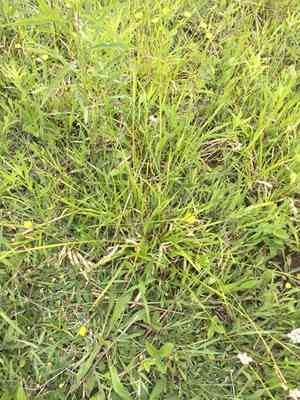
Quickly Identify Drooping woodland sedge
1
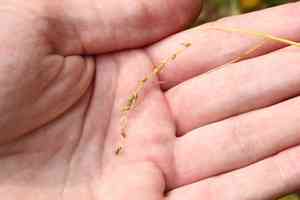
Carex arctata can be identified by its grass-like leaves that are typically green and around 2-4 mm wide. The plant produces flowers in early summer, which are arranged in clusters called spikelets. A key distinguishing feature is its triangular stem.
Scientific Classification of Drooping woodland sedge
Phylum
Vascular plants
Class
Monocotyledons
Order
Poales
Family
Sedge
Genus
True sedges
Species
Drooping woodland sedge
Planting and Growing of Drooping woodland sedge
Care Difficulty
Easy
Watering Schedule
Every 4 days
Sunlight Requirements
Partial sun
Sunshine Duration
4-6 hours
Ideal Temperature
60-70℉
Soil Type
Potting Mix, Peat Mix
Soil pH
5.5-7
Fertilizer Type
Balanced
Pruning Season
Spring, Summer
Pruning Area
Branches, Leaves
Pruning Frequency
2 times a year
Repotting Season
Spring
Pot Type
Plastic, Ceramic
 How to Water Drooping woodland sedge?
When watering Carex arctata, aim to provide around 200 milliliters per session. This amount ensures the soil is evenly moistened without causing waterlogging. It's crucial to ensure the water soaks through to the roots, promoting healthy growth and preventing root rot.
What are the symptoms of an underwatered Drooping woodland sedge?
›
What should I do if my Drooping woodland sedge is not getting enough water?
›
What are the symptoms of an overwatered Drooping woodland sedge?
›
How to save an overwatered Drooping woodland sedge?
›
 What Are the Sunlight Requirements for Drooping woodland sedge?
Partial sun to full shade. Ideal lighting supports healthy foliage and prevents leaf damage, preserving the plant's aesthetic and promoting robust growth.
What is the optimal sunlight for Carex arctata?
›
Solutions for achieving ideal sunlight conditions for Carex arctata?
›
What are the benefits when Carex arctata receives ideal sunlight?
›
 What Is the Ideal Temperature Range for Drooping woodland sedge?
The ideal temperature range for Carex arctata is between 60°F and 70°F. This range allows for optimal growth and health of the plant. The conditions within this range provide adequate warmth without the risk of heat stress.
 What Soil is Best for Drooping woodland sedge?
Carex arctata thrives in soils with good moisture retention properties. Sandy loam and loam help retain necessary moisture without becoming waterlogged, thus supporting strong root development and plant vigor. Nutrient-rich soil such as loam provides essential minerals required for this plant's growth. A healthy balance of nutrients like nitrogen and potassium enhances the plant's foliage and supports robust growth. It's crucial for the soil to have excellent drainage to prevent root rot. Sandy loam and loam offer the right texture and structure to facilitate water drainage, keeping root systems healthy and disease-free.
 How to Fertilize Drooping woodland sedge?
For Carex arctata, the fertilization amount should be modest, as it naturally thrives in low-nutrient environments. Use a balanced liquid fertilizer diluted to half the recommended strength, around 1 tablespoon per gallon of water. For slow-release fertilizers, apply at a rate of approximately 1/4 cup per square foot.
 How to Prune Drooping woodland sedge?
Start by examining the Carex arctata for any dead or brown leaves, which you should cut back to the base. Then, trim any leaves that are out of place, cutting them close to the crown without damaging surrounding foliage. If the plant has grown too densely, thin out some center leaves to improve air circulation. Take your time to make precise cuts, enhancing the plant's natural grace.
More About Pruning Techniques→
 How to Propagate Drooping woodland sedge plant?
1
Fill seed trays with a mix of soil and compost to provide Carex arctata seeds with a nutritious base. Ensure the mixture is well-aerated to facilitate root growth once the seeds germinate.
2
Scatter Carex arctata seeds evenly across the surface of the prepared seed trays. Lightly cover them with a thin layer of soil, ensuring they are not buried too deeply which might impede their germination.
3
Use a garden fork to carefully lift the Carex arctata clump from the soil. Gently separate the plant into smaller sections, ensuring each division has a healthy root system attached before replanting.
 How to Repot Drooping woodland sedge plant?
1
Repot Carex arctata when you notice roots emerging from drainage holes or its growth stalls. Spring or autumn are ideal seasons as the plant is in a state of active growth, which helps it acclimatize better to a new pot.
2
Select a pot that is 2 inches larger in diameter with good drainage to prevent waterlogging. A slightly larger pot provides enough space for root growth while avoiding excess soil retaining water.
3
Opt for a loamy, well-draining soil mix enriched with organic matter. This ensures adequate moisture retention while preventing waterlogging, creating a conducive environment for root development.
Learn More About Drooping woodland sedge Diseases
Anthracnose
Bacterial Leaf Spot
Bacterial Soft Rot
Chemical Injury
Cyst Nematode
Damping-off
Downy Mildew
Drought Stress
Fusarium Wilt
Gray Mold
Leaf Spot
Mosaic
Nutrient Deficiency
Nutrient Toxicity
Powdery Mildew
Root Rot
Root-knot Nematode
Rusts
Sooty Mold
Spider Mites
Temperature Stress
Thrips Damage
White Mold



