How to Propagate Drooping woodland sedge?
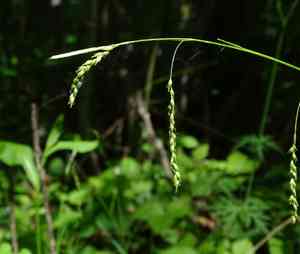
Drooping woodland sedge flourishes when multiplied via separation, a technique ideally aligned with its natural development. For propagation, gently divide the clusters in early spring or late fall, making sure every segment possesses sufficient root structure. Promptly re-establish these divisions, preserving soil dampness and offering protection from strong sunlight, given that drooping woodland sedge favors cooler, forested settings. This approach not only revitalizes mature specimens but also aids in controlling their expansion within a garden.
Optimal Period for Propagating Drooping Woodland Sedge
Propagation Method
Division
Propagation Season
Spring,Autumn
Tools Required for Drooping Woodland Sedge Propagation
Spade or Garden Fork
These implements are vital for carefully extracting drooping woodland sedge from the ground, minimizing root disturbance. The spade or fork is used to gently lift the plant, ensuring a significant portion of its root system remains intact. This is crucial as drooping woodland sedge needs a healthy, undamaged root system for successful propagation.
Sharp Knife or Secateurs
These are employed to cleanly and precisely separate drooping woodland sedge's root ball into segments, each containing a part of the original root system. A sharp knife or secateurs guarantee a smooth cut, reducing root damage and plant stress, which aids in faster recovery and establishment post-transplant.
Watering Can with a Gentle Spray
Following division and replanting, it's essential to keep the soil around drooping woodland sedge sufficiently moist to encourage root growth. A watering can with a gentle spray setting prevents soil erosion around the newly planted sections and provides a soft yet thorough watering approach, vital for the sensitive roots of drooping woodland sedge.
Rooting Hormone (optional)
While not strictly necessary, applying a rooting hormone to the cut ends of drooping woodland sedge's roots can stimulate quicker root development and improve the overall success rate of propagation. The hormone promotes healthier root growth, which is crucial for the establishment of new plants.
Garden Labels and Marker
To track the newly planted sections of drooping woodland sedge, use garden labels and a permanent marker to record important details such as the propagation date and any specific care instructions. This assists in monitoring each section's progress and maintaining consistent care throughout the establishment phase.
How to Propagate Drooping Woodland Sedge?
Propagation Difficulty
Easy
Caring for Your Newly Propagated Drooping Woodland Sedge
Caring for Your Newly Propagated Drooping Woodland Sedge
After propagation, ensure drooping woodland sedge is kept in conditions that mimic its natural environment. Consistent watering is vital, especially during dry periods, to maintain moist soil. Avoid direct sunlight and provide shade if natural overhead cover is insufficient. Mulching can be beneficial for retaining soil moisture and suppressing weeds. Regularly inspect the plant for signs of stress or pests and address them promptly to ensure healthy growth.
Common Errors to Avoid When Propagating Drooping Woodland Sedge
Insufficient soil preparation
Poorly prepared soil impedes the root development of drooping woodland sedge, as this species thrives in moist, well-drained soils rich in organic matter. Using compact or poorly draining soils can lead to waterlogging, resulting in root rot and reduced survival rates in propagating drooping woodland sedge.
Improper plant division
Dividing drooping woodland sedge too aggressively or into very small sections can significantly stress the plant, leading to poor establishment and growth. This can diminish the overall health and vigor of both the parent and divided plants.
Excessive watering
While drooping woodland sedge prefers moist environments, overwatering, particularly in poorly draining soils, can result in oxygen depletion and root diseases. This mistake is critical as it impairs the plant’s root system and its general resilience.
Neglecting environmental humidity
Failing to maintain appropriate humidity levels around drooping woodland sedge during propagation can lead to excessive moisture loss, particularly in newly divided plants or when rooting cuttings. This results in decreased propagation success due to stress and desiccation.
Tips For Propagating Drooping Woodland Sedge
Soil composition
Use a mix rich in organic material such as peat or compost to ensure good drainage and nutrient availability for drooping woodland sedge. The soil should retain moisture without becoming waterlogged, supporting healthy root development.
Gentle division
Carefully divide drooping woodland sedge during propagation to ensure that each section has a sufficient root system and several growth points. This practice supports quicker recovery and robust growth, enhancing the establishment of newly propagated plants.
Appropriate watering
Water newly propagated drooping woodland sedge adequately to keep the soil consistently moist, but not waterlogged. Ensure proper drainage in the propagation area to prevent any potential issues related to overwatering.
Maintain ambient humidity
Keep the surrounding environment of drooping woodland sedge humid, especially immediately after division or during the rooting of cuttings. Using a humidity dome or frequent misting can help in maintaining the necessary moisture for successful propagation.



