How to Prune Crucifixion thorn?
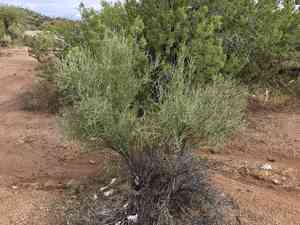
This arid-region bush, recognized for its spiky outline, seldom needs trimming. If essential, crucifixion thorn's trimming ought to take place in winter, while it is inactive. Meticulous elimination of deceased or injured limbs fosters robust development. Refrain from extensive cutting, as this can cause stress to crucifixion thorn. The main advantage is to preserve the plant's form and stimulate revitalization. Trimming also offers a chance to check for infestations and ailments. Always employ sanitized, keen implements for accurate incisions.
What Are the Benefits of Pruning Crucifixion Thorn?
What Are the Benefits of Pruning Crucifixion Thorn?
Trimming crucifixion thorn promotes vigorous development and helps maintain its desired shape, ensuring it remains visually appealing and thrives within its allocated space.
What Is the Best Time for Pruning Crucifixion Thorn?
What Is the Best Time for Pruning Crucifixion Thorn?
Pruning in late Winter aligns with crucifixion thorn's dormant phase when the plant's metabolic activity is minimal, reducing stress and the risk of sap loss that could attract pests. This timing also prevents the removal of new growth, which typically emerges in Spring. Furthermore, the plant's structure is more visible without leaves, allowing for more precise and healthier cuts, ultimately encouraging robust Spring growth and preserving the plant's natural form.
What Tools Do I Need to Prune Crucifixion Thorn?
Heavy-Duty Pruning Gloves
Given crucifixion thorn's spiky nature, it is crucial to protect hands with gloves made from durable materials to shield against thorns.
Bypass Pruners
Crucifixion thorn has relatively small branches that are well-suited for precise cuts. Bypass pruners will provide clean cuts without crushing the plant's tissue, which is vital for its health.
Loppers
For branches too thick for hand pruners, loppers with extended handles can provide the necessary leverage and reach, making it easier to prune larger branches with greater control.
Pruning Saw
When branches exceed the size appropriate for pruners and loppers, a pruning saw with a sharp, curved blade is ideal for cutting through thicker branches of crucifixion thorn.
Pole Pruner
Given that crucifixion thorn can grow quite tall, a pole pruner may be necessary to reach and safely trim higher branches without needing a ladder.
How to Prune Crucifixion Thorn
Clean tools
Before pruning crucifixion thorn, sterilize pruning tools using a bleach and water solution to prevent disease spread. Clean tools minimize potential damage to the plant's tissues.
Remove withered leaves
Identify and remove withered leaves from crucifixion thorn by gently pruning them at their base. Use clean, sharp scissors or pruning shears, and be careful not to damage healthy tissues.
Cut dead branches
Using a pruning saw for thicker branches or shears for smaller ones, remove dead branches from crucifixion thorn by cutting at the base where they meet healthy wood. Make clean cuts to aid in faster healing.
Prune diseased branches
Cut any diseased branches on crucifixion thorn well below the affected area to ensure all diseased tissue is removed. Dispose of diseased material away from healthy plants to prevent spreading pathogens.
Seal cuts
Crucifixion thorn may require sealing cuts with tree wound dressing or pruning paint, especially after removing larger branches, to protect against pests and diseases.
Common Pruning Mistakes with Crucifixion Thorn
Overpruning
Removing too much foliage from crucifixion thorn at once can lead to stress and stunted growth. This species is particularly sensitive to heavy pruning.
Improper cut location
Cutting too close to the main stem or too far from it can cause unnecessary injury to crucifixion thorn. This damages the plant and can introduce disease.
Using dull tools
Dull pruning tools can result in jagged cuts, which are harmful to crucifixion thorn as they increase the risk of disease and pest infestation.
Pruning for shape only
Focusing solely on shaping crucifixion thorn without considering the health and natural growth habit of the plant might inhibit its natural form and vigor.
Ignoring deadwood
Failing to remove dead or diseased wood compromises crucifixion thorn's health and aesthetic, potentially leading to further decay.
Common Pruning Tips for Crucifixion Thorn
Correct equipment
Use sharp, clean tools specifically designed for pruning to make precise cuts and minimize damage to crucifixion thorn.
Natural growth pattern
Prune with an understanding of crucifixion thorn's growth habit, aiming to enhance its natural structure while removing unwanted growth.
Gradual pruning
Prune crucifixion thorn moderately over several seasons. Gradual pruning is less shocking to the plant and allows for healthy regrowth.
Assess before cutting
Before cutting, assess crucifixion thorn carefully to identify which branches should be removed to improve health or structure.
Cut at proper angle
Make angled cuts away from the bud or main stem to prevent water from collecting on the cut surface, reducing disease risk for crucifixion thorn.
Cleanliness
Sanitize pruning tools before and after use on crucifixion thorn to prevent the spread of disease between plants.



