The Crucifixion thorn Plant Advantage: Maximizing Home and Office Appeal and Wellness
1
The crucifixion thorn plant tolerates dry conditions well, perfect for arid climates.
2
Its distinct form offers refuge to diverse animal life.
3
Crucifixion thorn aids in firming up soil, stopping erosion in desert areas.
What Makes Crucifixion thorn Special?
Unique Adaptations
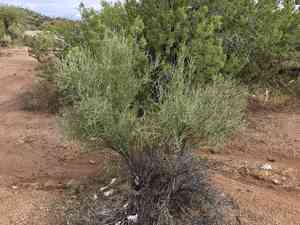
Crucifixion thorn flourishes in some of the most challenging environments, showcasing remarkable adaptations. Its highly efficient water storage and utilization enable it to endure arid conditions. The plant's sharp structure deters herbivores, offering sanctuary for smaller wildlife and ensuring it remains largely unharmed.
Distinctive Physical Characteristics
The plant's unique, spiny branches and absence of conventional leaves distinguish it. These attributes not only aid its survival but also make it a singular addition to any landscape. The leafless branches minimize water loss, a crucial adaptation for thriving in dry climates.
Environmental Benefits of Crucifixion thorn
Soil Stabilization
Crucifixion thorn plays a vital role in preventing soil erosion. Its deep root system binds the soil, making it highly effective in stabilizing loose, sandy soils common in desert ecosystems. This not only preserves the terrain but also assists in maintaining a balanced ecosystem.
Enhancing Biodiversity
The plant provides a dwelling for various animal species, promoting biodiversity. Birds, insects, and small mammals find refuge within its thorny branches. By supporting these creatures, Crucifixion thorn indirectly facilitates pollination and seed dispersal, enriching plant diversity in its surroundings.
How Crucifixion thorn Benefits Human Well-being
Aesthetic and Landscaping Uses
Crucifixion thorn is increasingly utilized in landscaping for its distinctive appearance and minimal maintenance requirements. Ideal for xeriscaping, it adds an exotic flair to gardens without demanding extensive water resources. The plant's striking look also makes it a focal point in desert-themed landscapes.
Educational Tool
Botanical gardens and educational institutions employ Crucifixion thorn to educate about plant adaptations and desert ecosystems. Its presence in these settings helps raise awareness regarding the importance of conserving arid habitats and understanding the plant's role in ecological balance.
What Challenges Does Crucifixion thorn Face?
Environmental Threats
Despite its resilience, Crucifixion thorn confronts threats from habitat destruction and climate change. Urbanization and agricultural expansion lead to the loss of native habitats. As the climate shifts, the plant's already limited water resources become even scarcer, jeopardizing its survival.
Conservation Efforts
Conservationists are striving to safeguard Crucifixion thorn through habitat preservation and restoration projects. Efforts include establishing protected areas, rehabilitating degraded habitats, and increasing public awareness about the significance of this unique species. By supporting these initiatives, we can ensure the survival of Crucifixion thorn for future generations.



