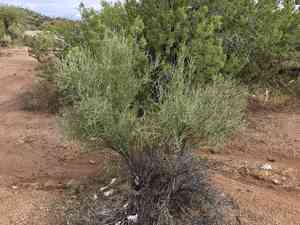
Crucifixion thorn (Canotia holacantha)
Also known as: Crucifixion Thorn, Mojave Thorn
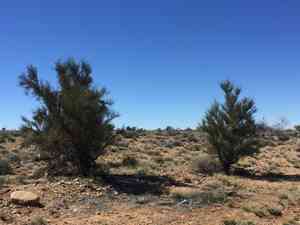
The crucifixion thorn, primarily located in the Sonoran Desert regions of Arizona and Southern California, is also known as the "crown of Jesus." This spiny shrub or small tree is characterized by its nearly leafless, bluish-gray branches that are thick and rigid, ending in sharp thorns.
In This Article
Attributes of Crucifixion thorn
Lifespan
Perennial
Plant Type
Shrub
Plant Height
3 m to 4.5 m
Spread
6 m
Leaf Color
Green
Flower Size
1.02 cm
Flower Color
Yellow Green
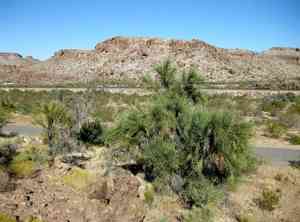
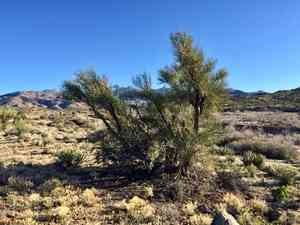
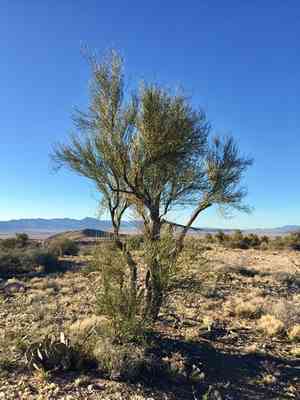
Images of Crucifixion thorn
Quickly Identify Crucifixion thorn
1
Identify Canotia holacantha by its distinctive thorny branches, small yellow flowers, and the nearly needle-like leaves. The plant\'s sparse foliage and unique branch structure make it noticeable in its native desert habitat.
Scientific Classification of Crucifixion thorn
Phylum
Vascular plants
Class
Dicotyledons
Order
Celastrales
Family
Bittersweet
Genus
Crucifixion Thorn
Species
Crucifixion thorn
Planting and Growing of Crucifixion thorn
Care Difficulty
Easy
Watering Schedule
Every day
Sunlight Requirements
Full sun
Sunshine Duration
6-10 hours
Ideal Temperature
60-80℉
Soil Type
Potting Mix, Peat Mix
Soil pH
6.5-7.5
Fertilizer Type
Balanced
Pruning Season
Spring, Summer
Pruning Area
Branches, Leaves
Pruning Frequency
2 times a year
Repotting Season
Spring
Pot Type
Plastic, Ceramic
 How to Water Crucifixion thorn?
Canotia holacantha should be watered deeply but infrequently. Each time you water, ensure the soil is thoroughly moistened to about 250 milliliters, but allow it to dry between waterings. This will mimic its natural arid environment and prevent root rot.
What are the symptoms of an underwatered Crucifixion thorn?
›
What should I do if my Crucifixion thorn is not getting enough water?
›
What are the symptoms of an overwatered Crucifixion thorn?
›
How to save an overwatered Crucifixion thorn?
›
 What Are the Sunlight Requirements for Crucifixion thorn?
Canotia holacantha thrives under full sun conditions. Ideal light levels ensure the plant maintains robust health, grows efficiently, and blooms profusely, preserving its natural aesthetic appeal.
How much sunlight does Canotia holacantha need?
›
What if full sun is not available?
›
What are the benefits of ideal sunlight conditions for Canotia holacantha?
›
 What Is the Ideal Temperature Range for Crucifixion thorn?
Canotia holacantha thrives best in temperatures ranging from 60 to 80 degrees Fahrenheit. This range supports optimal metabolic function and energy conversion processes crucial for growth. Maintaining this range will maximize photosynthesis and overall plant health.
 What Soil is Best for Crucifixion thorn?
Canotia holacantha thrives in well-drained soil. This helps prevent root rot and ensures that the roots get adequate oxygen. The sandy composition aids in quick drainage, ideal for regions prone to heavy rainfall. Although this plant is hardy, it benefits from soil enriched with vital nutrients. Adding organic matter or compost can provide the necessary nutrients and improve soil structure, supporting robust growth and enhanced health. This plant prefers soil that doesn't retain excess water. Excess moisture can lead to fungal issues or root diseases, so sandy soil, which allows for efficient water runoff, is ideal for its growth.
 How to Fertilize Crucifixion thorn?
Canotia holacantha prefers moderate fertilization. When using liquid fertilizers, dilute to half the strength recommended for typical houseplants. For slow-release fertilizers, use about one tablespoon per plant per application, ensuring even distribution over the soil.
 How to Prune Crucifixion thorn?
Canotia holacantha, also known as crucifixion thorn, requires attention to its structural form. Pruning should aim at removing weak or crossing branches that might impede air circulation or sunlight penetration. Pay attention to lower branches that could be unnecessarily shading the plant’s lower areas. Begin by disinfecting your tools to prevent the spread of diseases. Use sharp shears to make clean cuts above a leaf node at a 45-degree angle to promote healthy new growth. To maintain the plant’s natural shape, focus on thinning the canopy lightly and evenly rather than drastically reducing the plant size. After pruning, ensure that Canotia holacantha is well-watered to aid in its recovery. Monitor the plant for any signs of distress following pruning, such as wilting or unusual discoloration, and address these issues swiftly to maintain plant health.
More About Pruning Techniques→
 How to Propagate Crucifixion thorn plant?
1
Collect seeds from mature Canotia holacantha plants once the seed pods have dried. Ensure seeds are fully mature by checking their color and firmness.
2
Select healthy and semi-hardwood stems for cuttings. Trim them to 4-6 inches in length and remove the lower leaves, leaving a few at the top.
3
Plant seeds or cuttings in a well-draining soil mix and water thoroughly. Ensure the soil remains moist but not waterlogged during the initial growing phase.
 How to Repot Crucifixion thorn plant?
1
Repotting Canotia holacantha is essential when you notice signs of soil depletion, root-bound conditions, or reduced growth. These indicators suggest the plant needs more space and nutrients to thrive. Ideally, assess these conditions at the onset of spring or summer.
2
Select a pot that is one size larger than the current one, with sufficient drainage holes. A terracotta or ceramic pot is ideal, as it provides stability and airflow. Proper pot size and material prevent overwatering and ensure root health.
3
Opt for a well-draining sandy soil mix for Canotia holacantha. This type of soil prevents waterlogging and supports the plant’s natural growth conditions. Incorporating grit or coarse sand into the mix enhances drainage, mimicking its native arid habitat.
Toxicity
Ingestion
WARNING
The judgment on toxicity and danger is for reference only. We DO NOT GUARANTEE any accuracy of such judgment. Therefore, you SHALL NOT rely on such judgment. It is IMPORTANT TO SEEK PROFESSIONAL ADVICE in advance when necessary.



