How to Prune Castle crags bellflower?
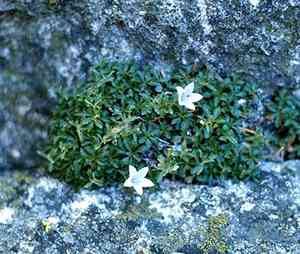
Recognized for its campanulate blossoms, castle crags bellflower requires trimming in late winter or early spring, prior to the emergence of new shoots. Eliminate any deceased or compromised stalks, preserving the plant's form and fostering abundant flowering. Trimming additionally aids in boosting air circulation and light access, thereby diminishing the likelihood of ailments. Consistent pruning bolsters the plant's vitality and general appearance. Always employ sanitized, keen implements to execute accurate incisions, guaranteeing rapid recuperation and prolific blooming.
What Are the Benefits of Pruning Castle Crags Bellflower?
What Are the Benefits of Pruning Castle Crags Bellflower?
Trimming castle crags bellflower encourages robust development and maintains its form, ensuring a neat appearance. This practice helps manage its dimensions, fosters healthy, dense foliage, and lowers the chance of pests and illnesses, leading to a more resilient plant.
What Is the Best Time for Pruning Castle Crags Bellflower?
What Is the Best Time for Pruning Castle Crags Bellflower?
Trimming castle crags bellflower in early spring or late winter is optimal as it coincides with the plant's dormant phase. Pruning during these periods minimizes stress on the plant and stimulates vigorous growth when its active cycle begins in spring. Furthermore, cutting before new growth emerges helps the plant conserve energy, resulting in a more prolific and strong flowering season.
What Tools Do I Need to Prune Castle Crags Bellflower?
Hand Pruners
Hand pruners are perfect for eliminating dead or damaged stems and blossoms. They enable precise cuts, which is crucial for keeping castle crags bellflower healthy and encouraging new growth.
Precision Pruners
Utilize precision pruners for delicate, detailed tasks, especially when dealing with small stems or intricate sections of castle crags bellflower. Their sharp blades guarantee clean cuts without crushing the stems.
Pruning Shears
Pruning shears are useful for trimming larger sections of castle crags bellflower that may require more robust handling. They aid in preserving the overall shape and promoting a healthy structure.
Scissors-type Flower Snips
Ideal for deadheading and sustaining flower production in castle crags bellflower, these snips are excellent for quick, clean cuts on softer stems and blooms.
How to Prune Castle Crags Bellflower
Inspect
Thoroughly examine castle crags bellflower for any diseased or withered leaves that require removal.
Tools
Employ sterilized pruning shears to prevent the spread of disease during trimming.
Remove Diseased Leaves
Cut off any diseased leaves at their base, ensuring proper disposal to avoid contamination.
Remove Withered Leaves
Trim withered leaves back to healthy tissue, being careful not to harm any healthy parts of castle crags bellflower.
Cleanup
Clear all pruned material from around castle crags bellflower to maintain a tidy area and reduce the risk of pests or disease.
Common Pruning Mistakes with Castle Crags Bellflower
Over-pruning
Removing an excessive amount of foliage can shock the plant and negatively impact its overall health and blooming potential.
Improper cutting techniques
Using dull or dirty tools can create jagged cuts, making the plant more vulnerable to diseases. Additionally, cutting at the wrong angle can impede proper healing.
Pruning at incorrect nodes
Cutting too far from or too close to the nodes where leaves and flowers emerge can reduce flowering and new growth.
Ignoring dead or diseased parts
Failing to remove dead or diseased stems can allow problems to spread throughout the plant.
Common Pruning Tips for Castle Crags Bellflower
Use clean, sharp tools
Always ensure pruning shears are sanitized and sharp to make clean cuts, promoting quicker healing and reducing disease risk.
Make angled cuts
Cut at a 45-degree angle to prevent water from accumulating on the cut surface, which can lead to rot.
Remove dead or diseased stems immediately
Regularly inspect castle crags bellflower and promptly remove any dead or diseased parts to maintain plant health.
Prune selectively
Focus on removing old, weak, or crowded stems to improve air circulation and light penetration, which encourages better growth and flowering.
Mind the nodes
Cut just above a node where new growth can emerge, ensuring that you leave at least 1/4 inch of the stem above the node to prevent die-back.



