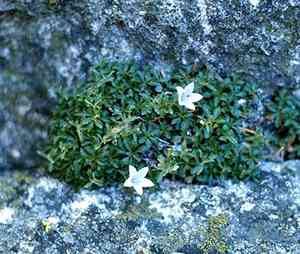
Castle crags bellflower (Campanula shetleri)
Also known as: Shetler's Bellflower
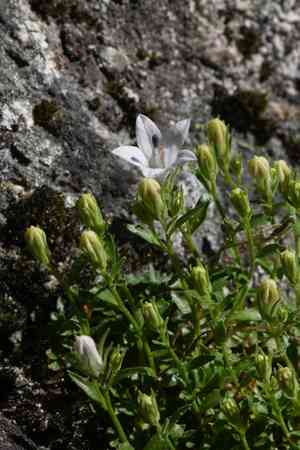
The Castle Crags bellflower, a perennial with bell-shaped blossoms, flourishes in rocky, mountainous regions. It is well-adapted to alpine environments, often growing in crevices and less fertile, well-drained soils. The plant's basal leaves form a low rosette, and its delicate blue or violet flowers bloom on slender stems, adding vibrant color to its rugged surroundings.
In This Article
Attributes of Castle crags bellflower
Lifespan
Perennial
Plant Type
Herb
Plant Height
10-30 cm
Spread
N/A
Leaf Color
Green
Flower Size
2-3 cm
Flower Color
Blue, Purple
Images of Castle crags bellflower
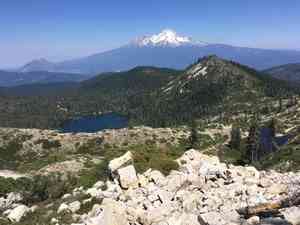
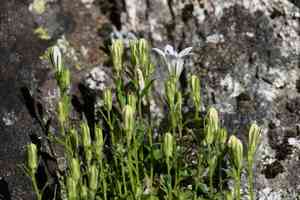
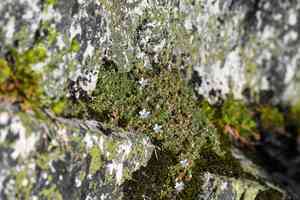
Quickly Identify Castle crags bellflower
1
To identify Campanula shetleri, look for its bell-shaped blue or purple flowers, lance-shaped leaves, and slender stems. It typically grows in rocky and mountainous areas.
Scientific Classification of Castle crags bellflower
Phylum
Vascular plants
Class
Dicotyledons
Order
Asterales
Family
Bellflower
Genus
Bellflowers
Species
Castle crags bellflower
Planting and Growing of Castle crags bellflower
Care Difficulty
Hard
Watering Schedule
Every 2 days
Sunlight Requirements
Partial sun
Sunshine Duration
6-10 hours
Ideal Temperature
60-75℉
Soil Type
Potting Mix, Peat Mix
Soil pH
6.5-7.5
Fertilizer Type
Balanced
Pruning Season
Spring, Summer
Pruning Area
Branches, Leaves
Pruning Frequency
Once a year
Repotting Season
Spring
Pot Type
Terracotta, Plastic
 How to Water Castle crags bellflower?
When watering Campanula shetleri, ensure the soil is moist but not waterlogged. This plant prefers being watered thoroughly, allowing the excess to drain out to prevent root rot. Use approximately 200 ml of water each time to saturate the soil adequately.
What are the symptoms of an underwatered Castle crags bellflower?
›
What should I do if my Castle crags bellflower is not getting enough water?
›
What are the symptoms of an overwatered Castle crags bellflower?
›
How to save an overwatered Castle crags bellflower?
›
 What Are the Sunlight Requirements for Castle crags bellflower?
Partial sunlight allows the plant to achieve its full growth potential. Ideal lighting facilitates abundant flowering and robust health.
How much sunlight does Campanula shetleri need daily?
›
What happens if Campanula shetleri gets too much sun?
›
How can I optimize lighting for Campanula shetleri?
›
 What Is the Ideal Temperature Range for Castle crags bellflower?
The ideal temperature range for Campanula shetleri cultivation is between 60°F and 75°F. This range allows for optimal growth and blooming while minimizing stress. Maintaining this temperature range encourages healthy root development and flower production and helps to prevent common issues associated with temperature fluctuations.
 What Soil is Best for Castle crags bellflower?
Campanula shetleri thrives in well-draining soil. This prevents waterlogging and root rot, ensuring the roots remain healthy and oxygenated. It's crucial for the plant's growth and flowering. This plant prefers soil with moderate fertility. Too much nutrient richness can lead to excessive foliage and less flowering, while adequate nutrition supports balanced growth and vibrant blooms. A neutral pH level around 6.5 to 7.5 is ideal for Campanula shetleri. This pH range optimizes nutrient availability and uptake, promoting robust plant health and lush blooms.
 How to Fertilize Castle crags bellflower?
For Campanula shetleri, it's crucial to be moderate with fertilization. Apply a half-strength liquid fertilizer twice a month during the growing season. For slow-release fertilizers, apply one teaspoon per square foot, three times a year—early spring, mid-summer, and early fall.
 How to Prune Castle crags bellflower?
Begin by removing any dead or damaged stems at the base to encourage fresh growth. Next, trim back flowering stems by one-third after blooming to stimulate new bud development. Throughout the season, periodically remove overly long or crowded stems to maintain a tidy appearance. Focus on cutting back to a leaf node to promote bushier growth.
More About Pruning Techniques→
 How to Propagate Castle crags bellflower plant?
1
Start by soaking seeds in water for 24 hours to soften the seed coat and enhance germination rates. This pre-soaking helps seeds to absorb moisture and speeds up sprouting.
2
Select healthy, non-flowering stems for cuttings. Cut a section approximately 4-6 inches long, remove lower leaves, and dip the cut end in rooting hormone before planting.
3
Carefully dig up the mature plant and gently separate the roots. Ensure each division has a healthy root system, then replant immediately for successful establishment.
 How to Repot Castle crags bellflower plant?
1
Campanula shetleri should be repotted when you notice roots emerging from the drainage holes, indicating it has outgrown its current container. Alternatively, if the plant's growth seems stunted or its leaves are yellowing despite proper care, it might be time to consider repotting. Observing these signs typically means that the soil has lost its nutrients and aeration qualities necessary for healthy growth.
2
Select a pot that is one to two inches larger in diameter than the current one. Ensure it has adequate drainage holes to prevent waterlogging. A slightly wider pot allows the roots of Campanula shetleri to spread comfortably, promoting vigorous growth, without overwhelming the plant with excess soil that retains moisture.
3
Opt for a well-draining sandy mix to prevent water retention. This type of soil offers excellent aeration and allows excess water to escape, preventing root rot. It mimics the plant's natural growing conditions, ensuring the roots have access to both air and moisture in balanced amounts.
Learn More About Castle crags bellflower Diseases
Anthracnose
Bacterial Leaf Spot
Bacterial Soft Rot
Bacterial Wilt
Black Spot
Chemical Injury
Crown Gall
Cyst Nematode
Damping-off
Downy Mildew
Drought Stress
Fusarium Wilt
Gray Mold
Leaf Curl
Leaf Spot
Mosaic
Nutrient Deficiency
Nutrient Toxicity
Powdery Mildew
Root Rot
Root-knot Nematode
Rusts
Sooty Mold
Spider Mites
Temperature Stress
Thrips Damage
White Mold



