How to Propagate Castle crags bellflower?
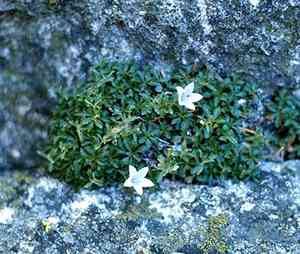
Castle crags bellflower is an appealing herbaceous perennial originating from specific elevated terrains. For propagating castle crags bellflower, choose to plant its seeds in adequately draining substrate beneath a shallow layer. Keep the soil consistently damp, yet prevent saturation, as this can be harmful. Provide a location with full sun to partial shade for best development. Appropriate soil conditions and moisture regulation are crucial for successful propagation. Perseverance is essential, as sprouting might take several weeks.
When Is the Optimal Time to Propagate Castle Crags Bellflower?
Propagation Method
Sowing
Propagation Period
Spring
What Equipment Is Utilized for Castle Crags Bellflower Propagation?
Seed trays
These offer a controlled setting for planting and sprouting, ensuring uniform distribution of resources like water and nutrients.
Seed compost
A specialized growing medium that supplies the necessary nutrients and drainage for seeds to sprout effectively.
Spray bottle
Crucial for maintaining appropriate moisture levels in the soil without dislodging seeds.
Heating mat
Used to maintain a consistent soil temperature, especially beneficial for promoting rapid and uniform germination.
Humidity dome
Helps retain moisture and sustain a steady humidity level, vital for the germination of castle crags bellflower seeds.
Labeling sticks
Important for tracking different seeds and ensuring correct identification throughout the growth process.
Fine sieve
Useful for gently covering seeds with a thin layer of compost, ensuring they are adequately protected without suffocating them.
Watering can with a fine rose
Ensures gentle irrigation without disturbing the soil structure or dislodging seeds.
Magnifying glass
Helpful for closely examining seeds and seedlings for any indications of disease or irregular growth patterns.
Sterilizing solution
Essential for cleaning tools and seed trays to prevent contamination and foster a healthy growing environment for castle crags bellflower.
How to Propagate Castle Crags Bellflower?
Propagation Type
Easy
How to Care for Your Newly Propagated Castle Crags Bellflower?
How to Care for Your Newly Propagated Castle Crags Bellflower?
Post-transplantation, ensure castle crags bellflower seedlings receive ample indirect sunlight and maintain consistent soil moisture. As they develop, gradually acclimate them to outdoor conditions if outdoor planting is intended. Shield young plants from extreme weather, such as frost or intense heat. Regularly inspect for pests and diseases, and apply a balanced fertilizer every four to six weeks to support healthy development. Prune as needed to encourage bushier growth and more blooms.
Common Errors to Avoid When Propagating Castle Crags Bellflower
Overwatering
Excessive moisture can lead to root rot and fungal problems, jeopardizing the plant's health.
Using heavy soil
Dense soil can impede root growth and reduce aeration, resulting in poor root development.
Insufficient lighting
A lack of adequate light can result in weak and leggy seedlings, which struggle to establish themselves.
Ignoring pest control
Pests can harm young plants and hinder their growth, making successful propagation challenging.
Improper cutting techniques
Inadequate or incorrect cutting methods can lead to failed propagation due to damaged plant tissues.
Tips For Propagating Castle Crags Bellflower
Moderate watering
Ensure the soil is moist but not waterlogged to promote healthy root development.
Light, well-draining soil
Utilize an airy and well-draining soil mix to prevent root suffocation and encourage growth.
Adequate light
Provide bright, indirect light to support strong and healthy seedling growth.
Regular pest monitoring
Inspect plants frequently for pests and take immediate action to prevent infestations.
Clean and sharp tools
Use sterilized, sharp tools to make clean cuts and minimize tissue damage, improving propagation success.



