How to Prune Pale bellflower?
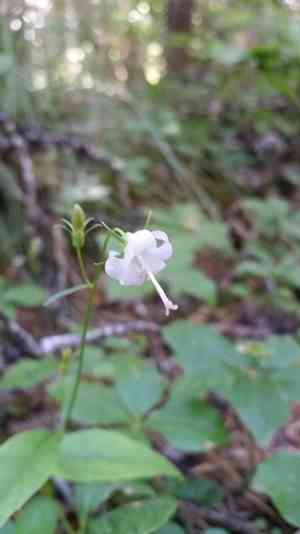
Pale bellflower, characterized by its campanulate blossoms, frequently thrives with judicious trimming. The most suitable period for this activity is from late winter through early spring, precisely prior to the emergence of fresh shoots. Essential methods involve excising deceased or compromised stalks, reducing crowded sections to foster better air movement, and severing spent flower stems to stimulate subsequent flowering. This horticultural practice aids in preserving the plant's well-being, stimulates robust development, and amplifies its floral display. Consistent trimming can also sculpt pale bellflower and deter it from developing an elongated, sparse appearance.
What Are the Benefits of Pruning Pale Bellflower?
What Are the Benefits of Pruning Pale Bellflower?
Trimming pale bellflower encourages robust development and helps maintain its form. Consistent pruning leads to healthier, denser foliage and more abundant blooms, enhancing the plant's overall look and vigor.
What Is the Best Time for Pruning Pale Bellflower?
What Is the Best Time for Pruning Pale Bellflower?
Pruning pale bellflower in late winter or early spring is considered ideal, as this period typically precedes its active growth phase. Trimming then allows the plant to quickly reallocate energy to new growth, fostering healthy development. Additionally, pruning before the main growth and flowering season minimizes disruption to its natural bloom cycle, promoting a fuller display. These seasons also generally align with dormancy or reduced metabolic activity, making it easier for pale bellflower to recover and lessening risks of disease or pest issues.
What Tools Do I Need to Prune Pale Bellflower?
Bypass pruners
Bypass pruners are perfect for making precise cuts on live stems and branches of pale bellflower, minimizing harm and encouraging healthy regrowth.
Precision pruning shears
Precision pruning shears are excellent for detailed tasks and trimming delicate parts of pale bellflower without causing unnecessary damage.
Garden scissors
Garden scissors can be utilized for basic trimming and removing spent flowers of pale bellflower, ensuring clean cuts and an attractive appearance.
Pruning knife
A pruning knife is useful for eliminating dead or diseased sections of pale bellflower and executing accurate cuts where precision is required.
How to Prune Pale Bellflower
Inspect
Carefully examine pale bellflower to identify any diseased or withered leaves. This will help determine the extent of pruning needed.
Tool sanitize
Sanitize your pruning tools using a solution of one part bleach to nine parts water to prevent disease transmission.
Remove diseased leaves
Gently cut away diseased leaves at their base with clean, sharp scissors or pruning shears. Dispose of these leaves away from pale bellflower to avoid contamination.
Remove withered leaves
Trim away withered leaves by cutting them off at the node or main stem where they are attached. Ensure you do not harm the healthy parts of pale bellflower.
Monitor growth
Regularly observe pale bellflower for new signs of disease or wilting, and repeat the trimming process as necessary to maintain plant health.
Common Pruning Mistakes with Pale Bellflower
Incorrect Technique
A major error is using dull or unsuitable tools, which can cause jagged cuts and injure the plant. Ensure your tools are clean and sharp.
Over-pruning
Removing too much foliage or stems can stress the plant and reduce flowering. Be mindful of the quantity you prune at once.
Improper Cuts
Making cuts too close to the main stem or leaving stubs can create entry points for disease or pests.
Neglecting Deadheading
Failing to remove spent flowers can lead to reduced blooming and overall plant health.
Common Pruning Tips for Pale Bellflower
Use the Right Tools
Always use sharp, clean pruning shears to make precise cuts and prevent disease spread.
Prune Lightly
Focus on removing dead, damaged, or diseased parts of the plant. Trim sparingly to shape the plant but avoid heavy pruning.
Make Clean Cuts
Cut just above a node or a healthy bud. This encourages new growth and reduces the risk of disease.
Regular Deadheading
Remove spent flowers regularly to promote continuous blooming and keep the plant tidy.
Monitor Plant Health
Regularly inspect pale bellflower for signs of disease or pest infestations. Address any issues promptly to maintain a healthy plant.



