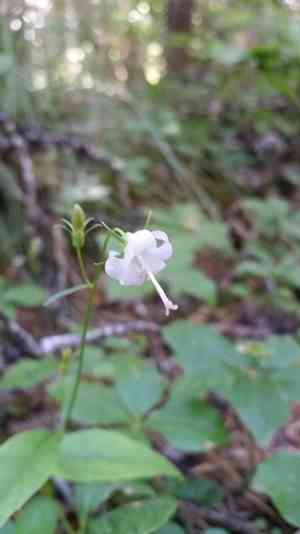
Pale bellflower (Campanula scouleri)
Also known as: Scouler's bellflower, North Shore bellflower
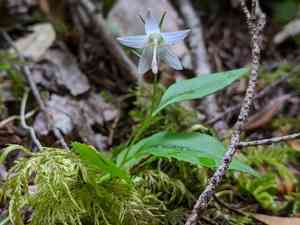
The pale bellflower is a hardy perennial known for its delicate blue-purple bell-shaped blooms that appear from late spring to early summer. It features lance-shaped green leaves that form a low-growing rosette. This plant is well-suited to rocky, alpine areas and is quite resilient in cold climates, thanks to its strong root system. Pale bellflowers prefer moist, well-drained soils and partial shade, making them ideal for woodlands and forest edges.
In This Article
Attributes of Pale bellflower
Lifespan
Perennial
Plant Type
Herb
Plant Height
10 cm to 30 cm
Spread
N/A
Leaf Color
Green
Flower Size
1-2 cm
Flower Color
Blue to violet
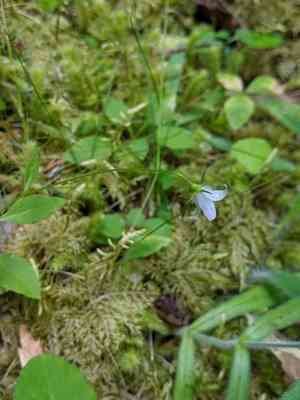
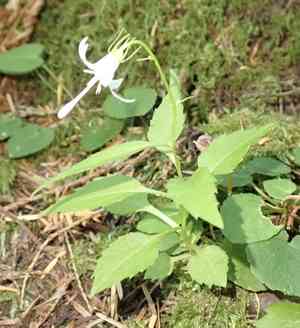
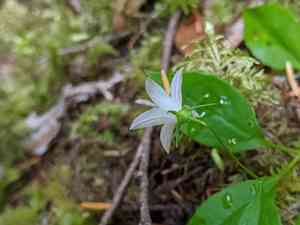
Images of Pale bellflower
Quickly Identify Pale bellflower
1
Campanula scouleri can be identified by its erect stems, narrow lance-shaped leaves, and blue to violet bell-shaped flowers. The flowers bloom in clusters, and the plant tends to grow in moist, well-drained areas.
Scientific Classification of Pale bellflower
Phylum
Vascular plants
Class
Dicotyledons
Order
Asterales
Family
Bellflower
Genus
Bellflowers
Species
Pale bellflower
Planting and Growing of Pale bellflower
Care Difficulty
Moderate
Watering Schedule
Every 4 days
Sunlight Requirements
Partial sun
Sunshine Duration
4-6 hours
Ideal Temperature
50-70℉
Soil Type
Potting Mix, Peat Mix
Soil pH
6.5-7.5
Fertilizer Type
Balanced
Pruning Season
Spring, Summer
Pruning Area
Branches, Leaves
Pruning Frequency
2 times a year
Repotting Season
Spring
Pot Type
Ceramic, Plastic
 How to Water Pale bellflower?
When it comes to watering Campanula scouleri, ensure that the soil is consistently moist but never waterlogged. The key is to mimic its natural environment, where the plant receives regular moisture without becoming drenched. Approximately 250 ml of water per session is usually sufficient to reach a balance without drowning the roots.
What are the symptoms of an underwatered Pale bellflower?
›
What should I do if my Pale bellflower is not getting enough water?
›
What are the symptoms of an overwatered Pale bellflower?
›
How to save an overwatered Pale bellflower?
›
 What Are the Sunlight Requirements for Pale bellflower?
Campanula scouleri does well in partial sun, benefiting from morning light and afternoon shade. Ideal light conditions promote lush foliage and vibrant flowering, enhancing the plant's natural beauty.
Optimal Location
›
Solution for Ideal Light
›
Benefits of Ideal Light
›
 What Is the Ideal Temperature Range for Pale bellflower?
The ideal temperature for Campanula scouleri growth is between 50 and 70 degrees Fahrenheit. This range promotes optimal photosynthesis and growth, ensuring vibrant blooms and healthy foliage. Ensuring temperatures remain within these limits provides a stable environment that mimics their natural habitat.
 What Soil is Best for Pale bellflower?
Campanula scouleri thrives in nutrient-rich soil that provides ample food for its growth. Nutrient-rich soil supports lush foliage and robust flowering, ensuring the plant reaches its full ornamental potential. Ensure the soil is well-drained to prevent waterlogging, which can lead to root rot. Good drainage facilitates aeration, allowing roots to breathe and absorb essential nutrients efficiently. Soil that retains some moisture while not being waterlogged is ideal. This balance helps maintain consistent hydration, promoting healthy growth and preventing stress from fluctuating water availability.
 How to Fertilize Pale bellflower?
Campanula scouleri thrives best with moderate amounts of fertilizer. A liquid fertilizer should be mixed at half the recommended strength for flowering plants and applied twice a month. Ensure the soil is moist before applying to avoid root burn.
 How to Prune Pale bellflower?
Pruning should ideally be done in early spring as new growth begins, and again in summer after flowering to promote further blooming cycles and shape the plant. Carefully trim the plant to maintain its natural shape, removing any overly long or unruly growth. This helps in keeping the plant visually appealing and balanced.
More About Pruning Techniques→
 How to Propagate Pale bellflower plant?
1
Harvest seeds when the pods have dried on the plant. Carefully open the pods over a container to collect the seeds. Pre-treat them by stratifying in the refrigerator for a few weeks to improve germination rates.
2
Select healthy shoots from the plant, ideally new growth. Cut sections about 5-8 cm long, remove lower leaves, and dip the cut end in rooting hormone to enhance root development.
3
Dig up the mature plant, gently separate the roots and shoots into smaller clumps, ensuring each has sufficient roots to sustain growth. Replant immediately at the same depth as the original plant.
 How to Repot Pale bellflower plant?
1
Repot Campanula scouleri when you notice roots growing out of the drainage holes, the plant looks top-heavy, or growth has slowed despite adequate care. These signs indicate the plant has outgrown its current container and will benefit from more space.
2
Select a pot that is slightly larger than the current one, ideally 1-2 inches wider in diameter. Ensure the pot has drainage holes to prevent waterlogging. The right-sized pot encourages healthy root growth and minimizes the risk of root rot.
3
Use a well-draining soil mixture to ensure proper aeration and moisture retention. A mix containing peat moss, perlite, and a bit of compost provides the right balance to support both moisture needs and drainage, leading to healthier plants.
Learn More About Pale bellflower Diseases
Anthracnose
Bacterial Leaf Spot
Bacterial Soft Rot
Bacterial Wilt
Chemical Injury
Crown Gall
Cyst Nematode
Damping-off
Downy Mildew
Drought Stress
Fusarium Wilt
Gray Mold
Leaf Curl
Leaf Spot
Mosaic
Nutrient Deficiency
Nutrient Toxicity
Powdery Mildew
Root Rot
Root-knot Nematode
Rusts
Sooty Mold
Spider Mites
Temperature Stress
Thrips Damage
White Mold



