How to Propagate Pale bellflower?
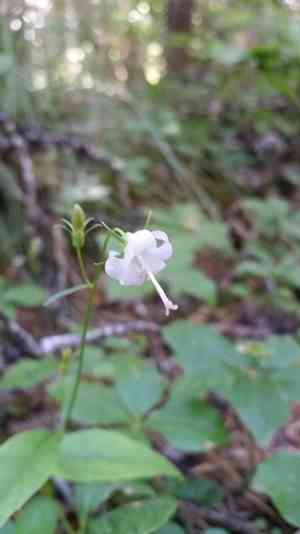
Pale bellflower is an attractive herbaceous perennial recognized for its dainty, campanulate blooms. The most effective propagation method involves seeding. Verify that the seeds are viable and plant them in soil that drains efficiently. Sustain a moderate level of dampness to facilitate sprouting. Relocate the young plants once they possess several robust leaves, arranging them with sufficient space for proper airflow. It is essential to position these plants in an area that receives filtered to complete shade, replicating pale bellflower's native environment.
When Is the Optimal Time to Propagate Pale Bellflower?
Propagation Method
Seeding
Propagation Period
Spring
What Equipment Is Utilized for Pale Bellflower Propagation?
Seed Trays
Seed trays offer a regulated setting for planting pale bellflower seeds. They aid in arranging seeds spatially, ensuring sufficient light, and simplifying irrigation. Employing seed trays makes it easier to track germination rates and initial seedling development.
Propagation Mix
A well-draining propagation medium is vital for pale bellflower to prevent waterlogging and encourage root aeration. This blend typically includes peat, perlite, and vermiculite, helping maintain moisture balance while supplying nutrients.
Heating Mat
Heating mats are employed to keep the soil temperature within the ideal range for pale bellflower seed germination. Consistent warmth speeds up germination and promotes strong seedling growth, especially in cooler climates or during early spring planting.
Misting Bottle
A misting bottle ensures gentle and even watering without dislodging the seeds. This tool is crucial for pale bellflower seeds to maintain the high humidity necessary for successful germination without causing soil erosion.
Clear Plastic Dome
Used with seed trays, clear plastic domes create a miniature greenhouse effect, maintaining higher humidity levels and consistent temperature. This setup is essential for pale bellflower to provide optimal germination conditions.
Labeling Stakes
Labeling stakes are used to identify specific planting dates, seed variety, and other important details within the trays. This practice is crucial for monitoring the growth and care of pale bellflower.
Tweezers
Tweezers are useful for handling small pale bellflower seeds with precision and placing them accurately in the sowing medium, minimizing seed loss and ensuring proper spacing.
Grow Lights
Grow lights supplement natural light, particularly indoors or during seasons with limited sunlight. Adequate lighting is critical for pale bellflower seedlings to flourish and avoid etiolation.
Watering Can with Fine Rose
A watering can with a fine rose head provides a gentle stream of water, preventing seed displacement and supporting even moisture distribution across the soil.
How to Propagate Pale Bellflower?
Propagation Type
Simple
How to Care for Your Newly Propagated Pale Bellflower?
How to Care for Your Newly Propagated Pale Bellflower?
After propagation, pale bellflower should be placed in a location that receives partial shade to shield them from intense heat. Maintain consistent soil moisture, but avoid waterlogging. Apply a balanced, slow-release fertilizer during the growing season to support healthy growth. Regularly check for pests and diseases, and promptly address any issues to prevent infestations. Mulching around the base of the plants can help retain moisture and suppress weeds.
Common Mistakes to Avoid When Propagating Pale Bellflower
Overwatering
Excess moisture can lead to root rot and fungal diseases, which can significantly hinder the plant's growth and propagation success.
Poor Soil Drainage
Using poorly drained soil results in waterlogged conditions that can cause roots to suffocate and rot.
Incorrect Soil pH
Not monitoring and ensuring the soil pH is within the suitable range (slightly acidic to neutral) can hinder nutrient uptake and overall plant health.
Insufficient Light
Providing too little light can lead to weak, leggy growth, and reduced ability to photosynthesize effectively.
Neglecting Pest Control
Failure to monitor for pests can lead to infestations that damage the plant, making successful propagation less likely.
Tips For Propagating Pale Bellflower
Adequate Drainage
Ensure the soil has good drainage by incorporating sand or perlite, which will prevent root rot and promote healthy growth.
Monitoring Water Levels
Stick to a watering schedule that keeps the soil moist but not soggy to avoid root health issues.
Soil pH Management
Regularly test the soil pH and amend with lime or sulfur as needed to maintain a slightly acidic to neutral pH.
Optimal Lighting
Provide plenty of indirect sunlight or use grow lights for adequate light exposure, fostering robust and healthy growth.
Pest Vigilance
Regularly check for pests and treat infestations promptly with appropriate organic or chemical solutions to protect the plant's health.



