How to Prune Small Camas?
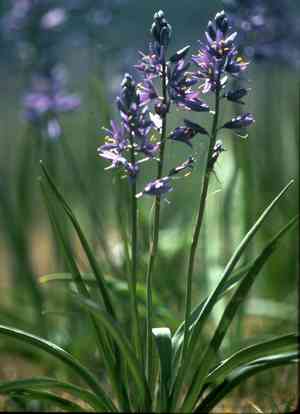
This perennial, characterized by its bulbous base, strap-like leaves, and star-shaped blossoms, small Camas, thrives with the removal of spent flowers following its blooming period. In autumn, trim any yellowed or desiccated leaves to maintain a neat look and deter ailments. The most effective time for trimming is after flowering until late summer, ensuring the foliage remains intact during its growth phase and photosynthesis, which is vital for the subsequent year's flowering. Trimming boosts the plant's vitality and enhances its visual charm, but refrain from cutting green leaves, as they are essential for replenishing the bulb's energy stores.
Advantages of Trimming Small Camas
Advantages of Trimming Small Camas
Trimming small Camas promotes abundant flowering, maintains an appealing shape, and ensures vigorous development by eliminating faded blooms and crowded stems.
Optimal Time for Trimming Small Camas
Optimal Time for Trimming Small Camas
Trimming small Camas in late spring to early summer, following its bloom period, is ideal to direct the plant's energy toward robust growth and bulb formation. During this phase, the plant has already expended energy on flowering and is entering a period of vegetative renewal. By removing spent flowers (deadheading), gardeners can prevent small Camas from investing resources into seed production, allowing these resources to be used for bulb strengthening and the development of next year's shoots. Avoid trimming in autumn, as this is when small Camas begins dormancy and needs all its foliage to gather energy for the winter.
Tools Required for Trimming Small Camas
Hand Pruners
Utilized for cutting back foliage and deadheading faded flowers on small Camas to encourage further blooming and preserve plant health. They offer precise cuts and are suitable for the plant's slender, fibrous stems.
Gardening Gloves
Though not a cutting implement, gloves are crucial for safeguarding hands during the trimming process, as small Camas's foliage can be somewhat abrasive to the skin.
Pruning Saw
For mature small Camas plants with thicker, woodier stems that hand pruners cannot easily cut through, a pruning saw is more appropriate. This tool will facilitate clean cuts without harming the plant.
Long-Handled Loppers
For reaching into dense clusters of small Camas without needing to stoop and for providing additional leverage to cut through tougher stems, long-handled loppers can be beneficial.
How to Trim Small Camas
Clean tools
Before starting the trimming process, thoroughly clean and sanitize all pruning tools to prevent the spread of disease to small Camas.
Remove disease
Identify and carefully remove any diseased leaves from small Camas using your pruning tools. Ensure a clean cut to avoid tearing, which could make small Camas more vulnerable to infection.
Trim withered leaves
Trim back all withered leaves by cutting at the base where the leaf meets the stem. This promotes healthy growth and aesthetic appeal for small Camas.
Deadhead flowers
Deadhead withered flowers by cutting the flower stalk close to the base of small Camas to promote new growth and prevent the plant from putting energy into seed production.
Common Trimming Errors with Small Camas
Overpruning
Removing too much foliage from small Camas at once can stress the plant, leading to weakened growth and reduced flowering. Small Camas benefits from a gentle trimming rather than a severe cutback.
Pruning during growth
Cutting back small Camas during its active growth phase can disrupt the natural development cycle, potentially harming the plant's health and flower production for the season.
Cutting flower stems too early
Snipping the flower stems of small Camas before they have a chance to bloom or immediately after blooming can prevent the formation of seeds, which might be desired for natural propagation.
Ignoring deadheading
Failing to remove spent flowers from small Camas can result in the plant focusing energy on seed production rather than preparing for the next year's growth and flowering.
Using dirty tools
Trimming small Camas with unclean tools can introduce diseases to the plant. Sanitation is crucial to prevent the spread of pathogens.
General Trimming Advice for Small Camas
Sharp tools
Using sharp pruning shears ensures clean cuts that heal quickly, thereby minimizing stress and the risk of disease for small Camas.
Post-blooming cleanup
After small Camas has finished blooming, remove the flower stalks to redirect the plant's energy into bulb development and next year's growth.
Healthy growth maintenance
Regularly remove any yellowed or dead foliage from small Camas to maintain healthy growth and improve air circulation around the plant.
Snip seedpods if unwanted
If natural propagation is not desired, snip off the developing seedpods on small Camas to encourage the plant's vitality and focus energy on the bulb.
Consider plant structure
When trimming small Camas, be mindful of the plant's natural structure and only cut where necessary to maintain its form and health. This approach ensures that the plant continues to grow in a balanced and attractive manner.



