How to Prune Japanese morning glory?
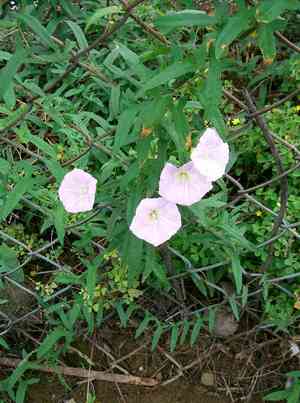
This vining plant, recognized for its spiraling stalks and vivid, trumpet-like blossoms, flourishes with appropriate trimming to preserve its form and stimulate flowering. Essential pruning methods involve removing faded flowers to encourage ongoing blooming and shortening excessively long stems to improve air movement. The most effective times for pruning are in Spring to foster fresh development, Summer for upkeep, and Fall for managing its dimensions. Pruning benefits the japanese morning glory by lowering the chances of pests and diseases and rejuvenating its growth for an abundant appearance.
What Are the Benefits of Pruning Japanese Morning Glory?
What Are the Benefits of Pruning Japanese Morning Glory?
Trimming japanese morning glory encourages flower production, revitalizes growth, and maintains its desired shape. This practice prevents excessive growth, ensuring a neat appearance and strong vitality.
What Is the Best Time for Pruning Japanese Morning Glory?
What Is the Best Time for Pruning Japanese Morning Glory?
Pruning japanese morning glory in early Spring is advantageous as the plant is emerging from dormancy and can quickly recover from pruning stress, promoting vigorous new growth. Early Summer is perfect for shaping the plant and guiding its development, as japanese morning glory is in its active growth phase. Early Fall is suitable for removing any dead or overgrown sections after the flowering season, helping to preserve plant health and prevent disease while preparing japanese morning glory for winter. Pruning during these periods aligns with japanese morning glory's growth cycle and ensures the plant remains healthy and capable of producing flowers effectively each year.
What Tools Do I Need to Prune Japanese Morning Glory?
Bypass Pruners
Bypass pruners are ideal for making precise, clean cuts on japanese morning glory's delicate stems, preventing unnecessary plant damage.
Gloves
Wearing gloves is crucial to shield the gardener's hands from japanese morning glory's twining stems and potential skin irritants.
Garden Scissors
Garden scissors can be utilized for detailed pruning tasks to maintain the desired shape and encourage bushier growth for japanese morning glory.
Long-Handled Loppers
For japanese morning glory with thick stems or those out of reach, long-handled loppers provide the necessary leverage to prune effectively without harming the plant.
Pruning Saw
If japanese morning glory has matured and developed very thick stems, a pruning saw may be required to make clean cuts through the tougher material.
Pruning Secateurs
Pruning secateurs are useful for deadheading and thinning japanese morning glory, fostering more blooms and robust growth.
How to Prune Japanese Morning Glory
Disinfect
Before beginning the pruning process of japanese morning glory, clean and sanitize all pruning tools to prevent disease transmission.
Remove Diseased Leaves
Carefully inspect japanese morning glory for diseased leaves. Remove them by cutting at the base of the leaf stem using sharp, clean shears. Discard these leaves to prevent infection spread.
Trim Withered Leaves
Locate withered or dead leaves on japanese morning glory and trim them back to just above a healthy leaf or bud to encourage new growth. These cuts should be clean and at a slight angle to prevent water accumulation.
Deadhead Withered Flowers
Deadhead the withered flowers of japanese morning glory by snipping them off just below the flower head. This promotes further blooming and redirects the plant's energy to healthier parts.
Clean Up
After pruning, remove all fallen debris and clippings from around the base of japanese morning glory to maintain cleanliness and reduce the likelihood of disease.
Common Pruning Mistakes with Japanese Morning Glory
Over-Pruning
Removing too much foliage from japanese morning glory can weaken the plant and diminish its flowering potential. Many gardeners mistakenly cut back the plant excessively believing it will lead to more blooms, but this can have the opposite effect.
Improper Cutting Technique
Using dull or dirty pruning tools can result in jagged cuts that are more susceptible to disease and may damage japanese morning glory's vines. Clean and sharp tools are essential for clean cuts that heal quickly.
Ignoring Dead Or Diseased Growth
Neglecting to remove dead or diseased growth can impede japanese morning glory's overall health and vigor. Some gardeners forget to target these areas, which can lead to further disease spread and poor plant performance.
Pruning Healthy Flowers And Buds
Cutting off healthy flowers and buds can significantly reduce the floral display of japanese morning glory. It's a common error to prune indiscriminately without paying attention to the buds that are about to bloom.
Common Pruning Tips for Japanese Morning Glory
Selective Pruning
Target only the areas that require attention, such as dead or diseased growth, tangled vines, or overgrown sections. This maintains the natural shape of japanese morning glory and promotes healthy growth without overdoing it.
Clean Pruning Tools
Before starting, ensure all tools are clean and sharp to minimize the risk of disease and ensure a clean cut. This is essential for japanese morning glory to recover quickly from pruning.
Thin Out Dense Areas
Thin out dense areas to improve air circulation, which reduces the risk of fungal diseases. Japanese morning glory benefits from having room for individual vines to receive adequate sunlight and airflow.
Maintain Vine Structure
Promote a strong framework by preserving the main vines and removing weaker, less productive side vines. This allows japanese morning glory to direct more energy into flower production.
Encourage New Growth
Prune sparingly to encourage new growth where it is desired. Light pruning can stimulate japanese morning glory to produce new, vigorous growth that will eventually bear flowers.



