How to Prune White Cypress-pine?
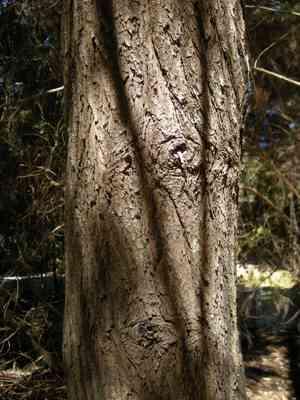
This coniferous species, which develops slowly, is recognized for its thick greenery and erect structure. The most suitable period for trimming white Cypress-pine is in winter, during its inactive phase, to sculpt and preserve its well-being. Light trimming helps preserve its inherent shape, primarily involves excising dead or ailing branches, and improves air circulation throughout the crown. Strategic trimming boosts both its visual attractiveness and its structural soundness. Always employ sanitized, keen implements to execute accurate cuts, thereby reducing strain and the potential for pests in white Cypress-pine.
What Are the Benefits of Pruning White Cypress-pine?
What Are the Benefits of Pruning White Cypress-pine?
Trimming white Cypress-pine encourages robust development and maintains its desired form. Strategic cutting helps manage its size, ensuring strong health and an appealing look.
What Is the Best Time for Pruning White Cypress-pine?
What Is the Best Time for Pruning White Cypress-pine?
Pruning white Cypress-pine during winter is considered ideal because the plant is dormant. During dormancy, white Cypress-pine has reduced metabolic activity, meaning pruning causes less stress. Also, the absence of leaves allows for clearer visibility of the plant's structure, enabling more precise trimming. This timing also prevents abundant sap flow, which can attract pests and diseases if pruned in warmer seasons. Furthermore, winter pruning prepares white Cypress-pine for strong spring growth by removing dead or diseased wood and shaping it for the next growing season.
What Tools Do I Need to Prune White Cypress-pine?
Hand pruners (secateurs)
These are perfect for making clean cuts on smaller branches of white Cypress-pine, vital for preventing damage and ensuring healthy regrowth.
Lopping shears
Given the potential thickness of white Cypress-pine's branches, lopping shears will be useful for cutting through branches thicker than those manageable by hand pruners, typically up to 1.5 inches in diameter.
Pruning saw
For the thickest branches of white Cypress-pine, a pruning saw is essential. It allows for precise cutting of larger branches that loppers cannot handle, thus maintaining the plant's health and aesthetics.
Pole pruner
Considering the height of white Cypress-pine, a pole pruner might be needed for reaching and effectively trimming higher branches without a ladder, enhancing safety.
How to Prune White Cypress-pine
Select tools
Choose appropriate pruning tools. Use sharp, clean pruning shears or a saw based on the thickness of white Cypress-pine branches. Sanitizing tools helps prevent disease spread.
Identify branches
Locate dead or diseased branches on white Cypress-pine. Look for branches that appear dry, brittle, or discolored. These are typically unproductive and could harbor pests or disease.
Plan cut
Carefully plan each cut. Cuts should be made at a 45-degree angle, slightly above a bud or branch junction. Ensure cuts are clean and smooth to promote better healing.
Remove branches
Gently remove dead and diseased branches. Start cutting from the branch's underside to prevent bark tearing, then complete the cut from the top. This method prevents damage to healthy parts of white Cypress-pine.
Cleanup
Properly dispose of removed branches. Clear all debris from around white Cypress-pine to prevent potential disease spread and promote a healthy growing environment.
Common Pruning Mistakes with White Cypress-pine
Over-pruning
Excessive pruning is a common error that can severely hinder white Cypress-pine's growth. Removing too much foliage at once can stress the plant, leading to reduced vigor and sparse foliage.
Improper cut placement
Making cuts too far from a node or too close to the branch collar can result in poor healing and potential disease entry. This can negatively impact white Cypress-pine's health and appearance.
Use of blunt tools
Using dull pruning tools can cause jagged cuts that heal poorly and are susceptible to pest and disease issues. This compromises the plant's health and appearance.
Neglecting to sanitize tools
Failing to sanitize pruning tools between cuts, especially when moving between different plants, can spread diseases to white Cypress-pine.
Common Pruning Tips for White Cypress-pine
Correct tool selection
Using sharp, clean secateurs or pruning shears ensures clean cuts that heal quickly and minimize stress to white Cypress-pine.
Judicious pruning
It is crucial to prune conservatively, especially with white Cypress-pine, aiming to remove only dead or damaged branches, and sparse thinning to enhance light penetration and airflow.
Target node pruning
Ensure that cuts are made just above a leaf node to promote healthy new growth in a desired direction. This technique supports controlled and healthy growth patterns of white Cypress-pine.
Post-pruning care
After pruning, applying a light application of balanced, slow-release fertilizer and ensuring adequate watering can help white Cypress-pine recover more robustly from the pruning session.



