White Cypress-pine (Callitris columellaris)
Also known as: Murray River Cypress-pine, Bribie island pine, Western sand cypress, Western cypress
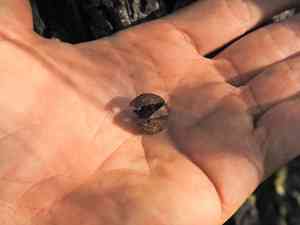
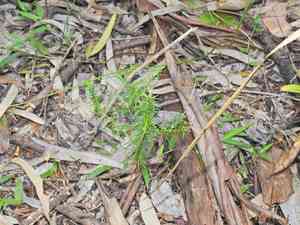
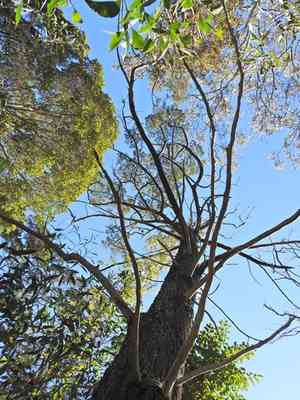
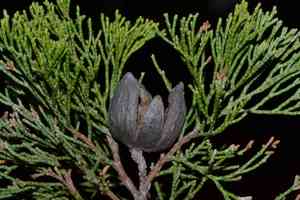
This small evergreen tree reaches heights of 4 to 12 meters, occasionally up to 20 meters, with a trunk diameter of up to 50 cm. The leaves are tiny and scale-like, measuring 2 to 6 mm in length and about 0.5 mm in width. They are arranged in whorls of three on very slender branches that are 0.7 to 1 mm thick. The tree produces globular cones that are 1 to 2 cm in diameter, featuring six triangular scales that open when mature to release seeds.
In This Article
Attributes of White Cypress-pine
Lifespan
Perennial
Plant Type
Tree
Plant Height
4 m to 12 m
Spread
2 m to 4 m
Leaf Color
Dark green
Flower Size
N/A
Flower Color
N/A
Images of White Cypress-pine
Quickly Identify White Cypress-pine
1
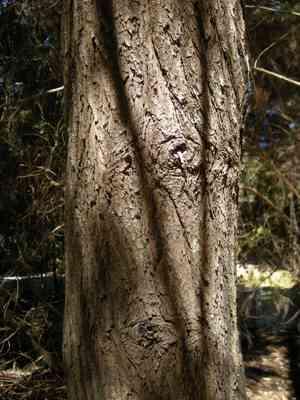
The leaves of Callitris columellaris are scale-like, the cones are woody and globular, and the bark is rough and fibrous. The tree often has a distinctive cypress scent.
Scientific Classification of White Cypress-pine
Phylum
Vascular plants
Class
Conifers
Order
Pinales
Family
Cypress
Genus
Cypress-pines
Species
White Cypress-pine
Planting and Growing of White Cypress-pine
Care Difficulty
Easy
Watering Schedule
Every 2 days
Sunlight Requirements
Full sun
Sunshine Duration
4-8 hours
Ideal Temperature
50-86℉
Soil Type
Potting Mix, Peat Mix
Soil pH
6.5-7.5
Fertilizer Type
Balanced
Pruning Season
Spring, Summer
Pruning Area
Branches, Leaves
Pruning Frequency
2 times a year
Repotting Season
Spring
Pot Type
Plastic, Ceramic
 How to Water White Cypress-pine?
For Callitris columellaris, water it thoroughly whenever you do. A guideline is to provide approximately 500 milliliters of water, ensuring the soil is fully moistened but not waterlogged. The soil should feel damp to the touch at about one to two inches down, and the pot should have adequate drainage to avoid root rot.
What are the symptoms of an underwatered White Cypress-pine?
›
What should I do if my White Cypress-pine is not getting enough water?
›
What are the symptoms of an overwatered White Cypress-pine?
›
How to save an overwatered White Cypress-pine?
›
 What Are the Sunlight Requirements for White Cypress-pine?
Callitris columellaris thrives in full to partial sunlight. This range ensures photosynthesis is maximized, promoting lush growth and enhancing drought resistance vital for its native habitat adaptation.
How much light is ideal for Callitris columellaris?
›
How can you achieve these lighting conditions?
›
What are the benefits of ideal lighting for Callitris columellaris?
›
 What Is the Ideal Temperature Range for White Cypress-pine?
Callitris columellaris thrives best in temperatures ranging from 50°F to 86°F. This range allows for optimal metabolic processes and growth rates, ensuring the plant remains healthy and vigorous. Maintaining this temperature range is critical during its growth period to facilitate proper physiological functions such as photosynthesis and transpiration.
 What Soil is Best for White Cypress-pine?
Callitris columellaris thrives in well-drained soils, allowing excess water to escape easily. This prevents root rot, ensuring healthy root development and overall plant vitality. The plant prefers soils with moderate nutrient levels, aiding balanced growth without the risk of nutrient burn. This allows it to maintain a robust structure and resilience against environmental stressors. Soil with good aeration promotes optimal gas exchange and microbial activity, essential for the healthy growth of Callitris columellaris. This leads to improved nutrient absorption and overall plant health.
 How to Fertilize White Cypress-pine?
Callitris columellaris, commonly known as the white cypress pine, is not a heavy feeder. You should use a balanced fertilizer with equal proportions of nitrogen, phosphorus, and potassium (such as 10-10-10) at a rate of half a pound per ten square feet. It’s essential to avoid over-fertilizing to prevent nutrient burn.
 How to Prune White Cypress-pine?
Begin by examining the plant for any dead or diseased branches. These should be removed first to prevent any potential spread of disease and to allow the plant to focus energy on healthy growth. Trim the plant to maintain a desirable shape. Follow the natural lines of the plant to keep its aesthetics intact. This helps improve light penetration and air circulation, enhancing overall plant health. The best time to prune Callitris columellaris is during its active growing seasons, like spring or summer. This timing ensures that the plant has optimal resources for recovery and new growth.
More About Pruning Techniques→
 How to Propagate White Cypress-pine plant?
1
Gather seeds from mature cones on the Callitris columellaris. Dry them completely to break dormancy. Ensure seeds are healthy and free from pests to improve germination success.
2
Choose healthy branches for cuttings, preferably semi-hardwood with several nodes. Cut about 10-15 centimeters long and strip the leaves from the lower half to reduce moisture loss.
3
Plant seeds or cuttings in a potting mix of sand and peat to ensure adequate drainage. Water thoroughly but ensure excess water drains away to prevent root rot.
 How to Repot White Cypress-pine plant?
1
The ideal time to repot Callitris columellaris is when you observe roots protruding from the drainage holes or when growth becomes stagnant. Spring and early summer are the best seasons for repotting as the plant is actively growing and can recover quickly.
2
Select a pot that is only a couple of inches larger in diameter than the current one. This will prevent waterlogging and promote healthy root growth. Ensure it has good drainage holes to keep the roots from sitting in water, which can lead to rot.
3
Opt for a well-draining sandy soil mix, ideally with some organic matter like pine bark or leaf mold. This simulates the plant's natural habitat and provides the roots with plenty of aeration, reducing the risk of root rot.



