The White Cypress-pine Plant Advantage: Maximizing Home and Office Appeal and Wellness
1
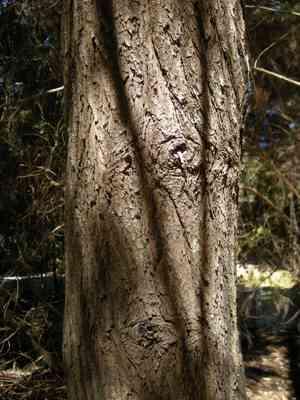
White Cypress-pine yields beneficial natural essential oils.
2
Its timber resists termites, making it useful in building.
3
White Cypress-pine aids in securing soil and preventing erosion.
What Makes White Cypress-pine Unique?
Resilient to Harsh Conditions
White Cypress-pine thrives in dry and semi-dry areas, showing remarkable toughness against severe weather. This makes it very useful for replanting forests in places where few other plants would survive. Its ability to grow in poor soil with little water highlights its capacity to boost biodiversity in tough environments.
Rich in Essential Oils
A key characteristic of White Cypress-pine is its high concentration of natural essential oils. These oils are valued for their antibacterial and antifungal qualities, making them useful in various sectors from natural medicine to household cleaning. Extracting these oils is a sustainable activity that offers financial advantages to communities involved in their collection.
How Does White Cypress-pine Benefit the Environment?
Soil Stabilization and Erosion Control
White Cypress-pine plays a crucial role in maintaining soil health. Its deep root system anchors the ground, reducing erosion and preventing the loss of valuable topsoil. This is especially important in areas prone to land degradation. By stabilizing the soil, White Cypress-pine aids in retaining soil nutrients, fostering healthier plant growth nearby.
Contributing to Biodiversity
By creating a more stable environment, White Cypress-pine supports an ecosystem that hosts diverse plant and animal species. This tree offers essential shelter and food sources for many organisms, improving ecological balance. Its presence in reforestation efforts not only boosts local biodiversity but also helps mitigate climate change by absorbing carbon dioxide from the atmosphere.
Why is White Cypress-pine Wood Highly Valued?
Durability and Termite Resistance
The timber from White Cypress-pine is highly prized for its strength and natural resistance to termites. These qualities make it an excellent choice for building, especially in areas susceptible to termite infestations. The wood's long-lasting nature ensures that structures built with White Cypress-pine are both robust and sustainable over time.
Versatile Applications
Beyond construction, White Cypress-pine wood is used in various other ways, such as making furniture, fencing, and even musical instruments. Its fine grain and appealing look add an aesthetic value desired in many industries. Furthermore, using White Cypress-pine wood supports sustainable forestry practices as it is a renewable resource when managed responsibly.
Can White Cypress-pine Provide Economic Benefits?
Local Economic Development
White Cypress-pine supports local economies by creating jobs in forestry, essential oil extraction, and wood processing. Communities involved in the sustainable management and harvesting of White Cypress-pine can gain economically while promoting ecological preservation. This mutually beneficial relationship ensures both people and the environment flourish.
Sustainable Resource Management
The sustainable management of White Cypress-pine forests contributes to long-term economic stability. By following best practices in forestry, these resources are conserved for future generations, providing continuous economic advantages. Moreover, the natural resilience and low maintenance needs of White Cypress-pine make it an economical plant to cultivate, further enhancing its financial appeal.
How Can White Cypress-pine Be Integrated into Modern Practices?
Urban Landscaping
White Cypress-pine can be an excellent addition to urban landscaping projects. Its drought tolerance and minimal care requirements make it suitable for city environments where water conservation is vital. Additionally, White Cypress-pine trees enhance urban green spaces by improving air quality, reducing heat island effects, and providing shade.
Green Building Materials
With a growing focus on sustainability in construction, White Cypress-pine wood is becoming a preferred green building material. Its durability, termite resistance, and aesthetic appeal make it a viable alternative to traditional building materials. Incorporating White Cypress-pine wood into construction projects supports eco-friendly practices while delivering high-quality structures.



