How to Prune Littleflower roseling?
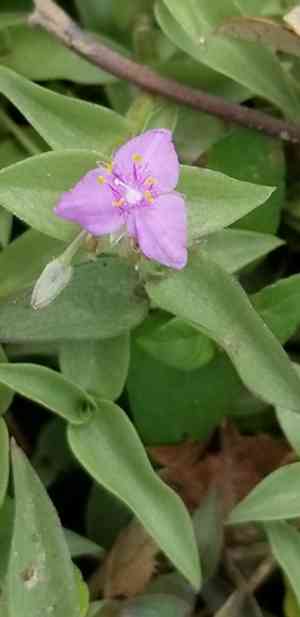
Littleflower roseling is distinguished by its vivid small blossoms and spreading habit. Perform pruning in late winter or early spring to encourage vigorous growth and boost bloom production. Remove any deceased, injured, or elongated stems to preserve its form and vigor. Routine, gentle trimming prevents excessive density and enhances air circulation, thereby lowering the chance of illness. For peak outcomes, employ sanitized, sharp implements to minimize plant trauma. Ongoing pruning fosters sturdy development, guaranteeing littleflower roseling stays a captivating and flourishing element of your landscape.
Advantages of Trimming Littleflower Roseling
Advantages of Trimming Littleflower Roseling
Trimming littleflower roseling encourages robust development and helps preserve its form. By eliminating dead or overgrown sections, it stimulates fresh growth, enhances air circulation, deters pest infestations, and improves its overall look.
Optimal Period for Trimming Littleflower Roseling
Optimal Period for Trimming Littleflower Roseling
Trimming littleflower roseling in early spring or late winter is ideal as it coincides with the plant's dormant phase, minimizing stress and allowing littleflower roseling ample time to recuperate before the growing season. Pruning during these periods also ensures the plant's energy is directed towards new growth and vitality. Furthermore, trimming before the main blooming period promotes more abundant flowering and helps maintain the plant's shape and health.
Necessary Tools for Trimming Littleflower Roseling
Bypass Pruners
Perfect for precise cuts on tender stems, ensuring clean cuts without crushing plant tissue.
Sharp Scissors
Useful for detailed trimming of smaller or delicate areas, ensuring accuracy and minimal harm.
Sterilizing Solution
Crucial for cleaning tools to prevent the transmission of diseases between cuts.
Pruning Shears
Beneficial for thicker stems that may be present, offering greater leverage and clean cuts.
How to Trim Littleflower Roseling
Identify
Locate diseased and withered leaves on littleflower roseling. These leaves will typically appear discolored or shriveled.
Sanitize
Disinfect your pruning shears with a mixture of water and alcohol to prevent disease spread.
Cut
Remove the diseased and withered leaves at their base, close to the stem but avoid cutting into the healthy tissue of littleflower roseling.
Dispose
Properly discard the trimmed leaves to prevent any potential disease spread. Do not compost them if they are diseased.
Monitor
Regularly observe littleflower roseling for any new indications of diseased or withered leaves and repeat the process as needed to maintain plant health.
Common Trimming Errors with Littleflower Roseling
Incorrect cutting technique
Using dull or unclean tools can result in jagged cuts that lead to disease. Improper cuts can also harm stems, impacting overall plant health.
Trimming excessively
Over-trimming can stress littleflower roseling, reducing its capacity to produce new growth and blooms. It may lead to sparse foliage and weak stems.
Poor timing
Trimming during the wrong growth phase hinders recovery and can result in reduced flowering. Understanding the plant's growth cycles is essential.
Neglecting hygiene
Not sanitizing tools between cuts can spread diseases and pests. Clean tools are vital for maintaining plant health.
Ignoring dead or diseased parts
Failing to remove dead or diseased sections can lead to further spread of infections, compromising the entire plant.
General Trimming Advice for Littleflower Roseling
Utilize sharp tools
Always use clean, sharp pruning shears or scissors. Sharp cuts heal faster and reduce the risk of disease entry.
Cut at an angle
Make cuts at a 45-degree angle to facilitate better water runoff and quicker healing, reducing the risk of rot.
Regular light trimming
Perform regular, light trimming as needed to encourage bushier growth and prevent legginess without imposing significant stress.
Remove dead growth
Consistently remove any dead, damaged, or diseased stems and leaves to maintain overall plant health and appearance.
Cut above a node
When trimming, make cuts just above a node or leaf joint. This encourages new growth from that point, fostering a denser plant structure.



