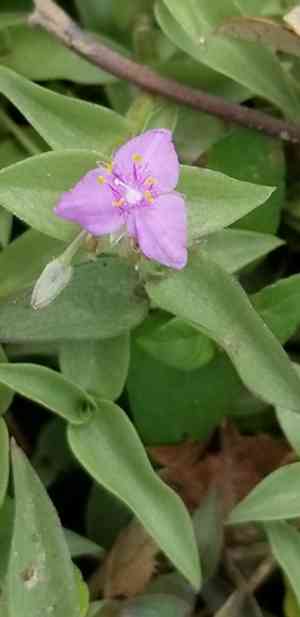
Littleflower roseling (Callisia micrantha)
Also known as: Small-leaved Roseling, Micrantha Roseling
The plant you're referring to is likely the dwarf periwinkle (Vinca minor). This low-growing species is commonly found on shady forest floors. It features small, elliptic leaves that create a thick, carpet-like ground cover. Adapted to low-light conditions, it prospers under the dense canopy where sunlight is sparse.
In This Article
Attributes of Littleflower roseling
Lifespan
Perennial
Plant Type
Herb
Plant Height
0 mm to 30 cm
Spread
Often spreading to cover wide ground areas
Leaf Color
Dark green
Flower Size
Approximately 1-2 millimeters
Flower Color
White to pale pink
Images of Littleflower roseling

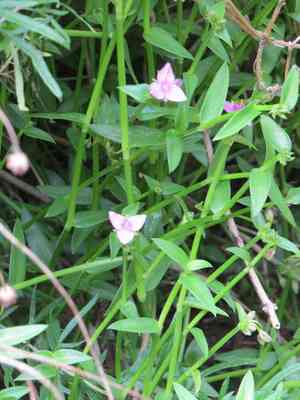
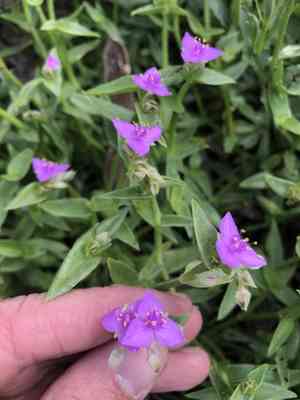
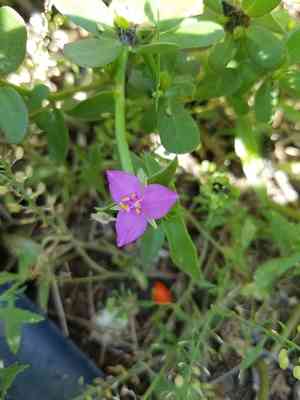
Quickly Identify Littleflower roseling
1
Look for small, ovate leaves with a fleshy texture. The plant often forms dense mats and produces tiny, inconspicuous flowers.
Scientific Classification of Littleflower roseling
Phylum
Vascular plants
Class
Monocotyledons
Order
Commelinales
Family
Spiderwort
Genus
Roselings
Species
Littleflower roseling
Planting and Growing of Littleflower roseling
Care Difficulty
Easy
Watering Schedule
Every 4 days
Sunlight Requirements
Partial sun
Sunshine Duration
4-6 hours
Ideal Temperature
65-75℉
Soil Type
Potting Mix, Peat Mix
Soil pH
6-7.5
Fertilizer Type
Balanced
Pruning Season
Spring, Summer
Pruning Area
Branches, Leaves
Pruning Frequency
2 times a year
Repotting Season
Spring
Pot Type
Plastic, Terracotta
 How to Water Littleflower roseling?
When watering Callisia micrantha, it's essential to ensure the soil is thoroughly moistened but not waterlogged. The plant requires about 100 ml of water per session, ensuring the top inch of soil is wet. Water until you see the moisture evenly distributed in the soil, but avoid excess, which could lead to root issues.
What are the symptoms of an underwatered Littleflower roseling?
›
What should I do if my Littleflower roseling is not getting enough water?
›
What are the symptoms of an overwatered Littleflower roseling?
›
How to save an overwatered Littleflower roseling?
›
 What Are the Sunlight Requirements for Littleflower roseling?
Partial sun ensures Callisia micrantha receives balanced light exposure. With adequate light, it flourishes, showing vigorous growth and robust health.
How much sunlight does Callisia micrantha need?
›
What are the solutions for achieving ideal lighting?
›
What benefits does ideal lighting bring?
›
 What Is the Ideal Temperature Range for Littleflower roseling?
The ideal temperature range for Callisia micrantha is between 65°F and 75°F. This range provides optimal conditions for growth, allowing the plant to thrive without stress. Within this range, the plant can perform photosynthesis efficiently, maintaining vibrant foliage and steady growth.
 What Soil is Best for Littleflower roseling?
This plant thrives in well-draining soil, which prevents root rot by allowing excess water to easily escape. Such soil ensures that the roots receive ample air and nutrients, promoting healthy growth. Callisia micrantha prefers soil that remains moderately moist. Consistent moisture levels without waterlogging facilitate sustained growth and help the plant maintain its vibrant foliage. A soil rich in organic matter supports healthy development by providing all the essential nutrients. Organic matter also improves soil structure and moisture retention capabilities.
 How to Fertilize Littleflower roseling?
Callisia micrantha prefers a modest amount of fertilizer. During its growing season, it thrives best with a diluted liquid fertilizer, ensuring it gets enough nutrients without overwhelming the roots. A suggested mix would be half the recommended strength of a balanced 10-10-10 fertilizer.
 How to Prune Littleflower roseling?
Look for stems that appear elongated with fewer leaves than usual. These are prime candidates for pruning as cutting them back encourages fuller growth. Cutting stems back to just above a leaf node—where leaves emerge—promotes new growth at that node. This helps keep your plant lush and vibrant throughout the growing season. After pruning, make sure to properly dispose of any plant material you remove. This prevents any potential disease from spreading and keeps your growing area tidy.
More About Pruning Techniques→
 How to Propagate Littleflower roseling plant?
1
Select a healthy stem from the mother plant and use sharp, sterile pruning shears to cut a segment about 4-6 inches long. Make sure to cut just below a node, as this is where roots are most likely to form.
2
Dip the cut end of the stem in rooting hormone to promote root growth. This step is optional but is recommended for increasing success rates, especially in less-than-ideal conditions.
3
Plant the treated cutting in a well-draining mix and water it lightly. Place the pot in a warm area with indirect sunlight, keeping the soil moist but not waterlogged until roots establish.
 How to Repot Littleflower roseling plant?
1
Callisia micrantha should be repotted when you notice roots emerging from the drainage holes or the plant appears to have outgrown its current pot. Another sign is if growth has slowed significantly, indicating it may lack space or nutrients. Spring or summer are the best seasons to repot as the plant is in its growth phase.
2
When selecting a pot for Callisia micrantha, opt for one that is only a couple of inches larger than the current container. This prevents excess soil that retains water, reducing the risk of root rot. Prefer pots with drainage holes to ensure excess moisture can easily escape, thus maintaining the optimal moisture level for the plant's roots.
3
Select a well-draining potting mix rich in organic matter for Callisia micrantha. An ideal mix allows for proper airflow to root systems while retaining enough moisture for the plant's needs. This ensures that your Callisia micrantha has access to necessary nutrients while avoiding the dangers of waterlogged soil.
Learn More About Littleflower roseling Diseases
Anthracnose
Bacterial Leaf Spot
Bacterial Soft Rot
Damping-off
Downy Mildew
Drought Stress
Fusarium Wilt
Gray Mold
Leaf Spot
Mosaic
Nutrient Deficiency
Nutrient Toxicity
Powdery Mildew
Root Rot
Root-knot Nematode
Rusts
Sooty Mold
Spider Mites
Temperature Stress
Thrips Damage
White Mold
Chemical Injury



