How to Propagate Littleflower roseling?
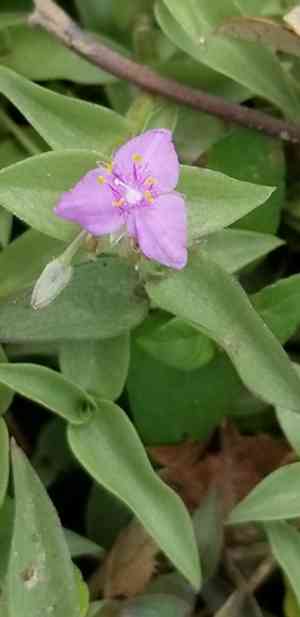
Littleflower roseling is a hardy ground cover featuring petite, appealing blossoms. To ensure successful propagation, utilize a growing medium that drains effectively and maintain consistent dampness without over-saturation. Direct seeding into the earth is an efficient method, making certain a thin stratum of soil blankets them. Observe for steady hydration and prevent excessive water accumulation. Due to its sturdy characteristics, littleflower roseling demands little attention once rooted, rendering it a superb option for novice horticulturists.
Optimal Time for Littleflower Roseling Propagation
Propagation Method
Seeding
Propagation Period
Spring
Tools for Littleflower Roseling Propagation
Seed Trays
Seed trays are crucial for planting littleflower roseling seeds. They offer a controlled setting for seed sprouting, simplifying moisture and nutrient management. Trays with drainage holes prevent waterlogging, aiding healthy root growth.
Seedling Heat Mats
Seedling heat mats help maintain steady and ideal soil temperatures, vital for littleflower roseling germination. They create a warm environment that speeds up sprouting and encourages robust seedling development.
Soilless Germination Mix
A soilless germination mix is a sterile growing medium that lowers the risk of soil-borne diseases. Its light and airy texture are perfect for the delicate roots of littleflower roseling seedlings.
Mist Sprayer
A mist sprayer delivers fine and even moisture, essential for consistent littleflower roseling seed germination. Keeping the substrate moist without saturation helps maintain proper conditions for seed growth.
Clear Plastic Domes
Clear plastic domes placed over seed trays create a humid microenvironment, which benefits littleflower roseling germination. They help retain moisture and warmth, crucial for consistent and healthy seedling development.
Labeling Stakes
Labeling stakes are important for identifying different stages and varieties in seed propagation. Tracking littleflower roseling's planting date and germination progress ensures proper care and necessary adjustments.
Fine-Tipped Tweezers
Fine-tipped tweezers are useful for handling small and delicate littleflower roseling seeds. They allow for precise sowing, minimizing seed damage and ensuring correct placement in the growing medium.
How to Propagate Littleflower Roseling?
Propagation Type
Simple
Caring for Your Newly Propagated Littleflower Roseling
Caring for Your Newly Propagated Littleflower Roseling
Post-transplant, continue to provide littleflower roseling with bright, indirect illumination and consistent soil moisture. Fertilize sparingly with a balanced, diluted feed during the active growth phase. Ensure good air circulation to prevent fungal issues, and avoid direct sunlight to prevent leaf burn. Regularly inspect for pests and address them promptly to ensure healthy development.
Common Errors to Avoid When Propagating Littleflower Roseling
Overwatering
Excessive moisture can lead to root rot and fungal infections, harming the plant and reducing successful propagation chances.
Insufficient light
Lack of adequate light can result in weak, elongated growth, hindering root development and overall plant vitality.
Using the wrong soil
Heavy, non-draining soils can retain too much water and suffocate roots, causing them to decay.
Improper handling
Roughly handling or damaging cuttings can create entry points for diseases and decrease the likelihood of successful rooting.
Inconsistent temperatures
Fluctuating temperatures can stress the plant, interrupting root and shoot development.
Neglecting humidity
Low humidity levels can cause cuttings to dry out before roots establish, leading to propagation failure.
Tips For Propagating Littleflower Roseling
Moderate watering
Water cuttings just enough to keep the soil slightly moist but not saturated, preventing root rot and fungal problems.
Bright, indirect light
Place cuttings in an area with ample bright, indirect light to encourage strong growth without excessive heat.
Well-draining soil
Use a light, well-draining soil mix to ensure proper aeration and prevent waterlogging.
Gentle handling
Handle cuttings with care to avoid damage and reduce the risk of infections.
Consistent temperature
Maintain a stable, warm temperature to promote healthy root development and overall growth.
Maintain humidity
Keep humidity levels moderately high around cuttings by using a humidity dome or misting regularly to support root formation.



