How to Prune Woodland poppymallow?
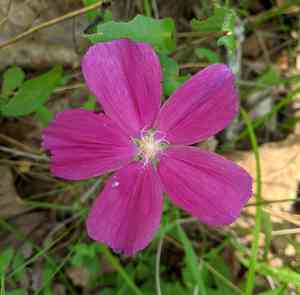
Woodland poppymallow exhibits brilliant blossoms and thrives in sun-drenched, adequately drained locations. The ideal periods for trimming are late winter or early spring, aligning with its inactive stage. Eliminate faded flowers and cut back any lifeless or compromised stalks to foster vigorous development and increased bloom production. Consistent trimming enhances air circulation and deters ailments. Exercise restraint to avoid excessive pruning, thereby preserving its inherent form and equilibrium. Appropriate upkeep guarantees a sturdy, thriving exhibition throughout the cultivation period.
What Are the Benefits of Pruning Woodland Poppymallow?
What Are the Benefits of Pruning Woodland Poppymallow?
Trimming woodland poppymallow encourages robust development and preserves its form, enhancing its overall look. It aids in managing the plant's size and fosters healthy growth by eliminating dead or diseased sections, which boosts resistance to pests and illnesses.
What Is the Best Time for Pruning Woodland Poppymallow?
What Is the Best Time for Pruning Woodland Poppymallow?
Pruning woodland poppymallow in early spring or late winter is ideal due to its growth pattern. During these periods, the plant is still dormant or just starting to emerge from dormancy, which minimizes stress and allows for quicker recovery. These times also precede the plant's blooming phase, ensuring that trimming does not hinder bud formation and, consequently, the flowering cycle. Pruning during these seasons promotes healthier growth and maintains the structural integrity of woodland poppymallow.
What Tools Do I Need to Prune Woodland Poppymallow?
Hand Pruners
Hand pruners are essential for woodland poppymallow as they are perfect for cutting smaller stems and branches up to ¾ inch in diameter. They provide accurate cuts, which are vital for preserving the plant's health and shape.
Hedge Shears
Hedge shears are perfect for woodland poppymallow for trimming back soft, new growth and shaping the plant. They allow for even cuts along the plantâs perimeter, fostering a tidy appearance and preventing overgrowth.
Bypass Loppers
Bypass loppers are suitable for woodland poppymallow when needing to cut thicker stems that hand pruners cannot handle. They can cut branches up to 1.5 inches in diameter, which helps in managing older, woody growth that might detract from the plantâs overall health.
How to Prune Woodland Poppymallow
Inspection
Carefully examine woodland poppymallow to identify diseased and withered leaves. Ensure proper identification to avoid removing healthy parts.
Preparation
Gather clean, sharp pruning scissors or shears to ensure precise cuts. Sanitizing tools will help prevent the spread of disease.
Removal
Gently remove the identified diseased leaves by cutting them close to the base without damaging the healthy parts of woodland poppymallow. Ensure clean cuts to minimize stress on the plant.
Cleanup
Cut and remove any withered leaves by pruning them back to the point where healthy tissue begins. Dispose of removed leaves properly to prevent diseases.
Review
Reinspect woodland poppymallow after pruning to ensure that no diseased or withered leaves remain. Regular monitoring can prevent future issues and maintain health.
Common Pruning Mistakes with Woodland Poppymallow
Over-pruning
One of the most common mistakes is cutting back too much of the plant. This can stress woodland poppymallow and inhibit its ability to regrow and flower effectively.
Incorrect Tools
Using dull or inappropriate tools can damage the plant tissues, making woodland poppymallow susceptible to disease and pests.
Improper Cuts
Making irregular or jagged cuts instead of clean, angled cuts can harm the plant and slow down its healing process.
Ignoring Deadwood
Failing to remove dead, diseased, or damaged stems can reduce the overall health and appearance of woodland poppymallow.
Pruning at the Wrong Time
While the specific timing isn't covered here, pruning at a time not conducive to the plant's natural growth cycle can severely impact its vigor.
Common Pruning Tips for Woodland Poppymallow
Use Sharp, Clean Tools
Always ensure your pruning shears or scissors are sharp and clean to make precise cuts and avoid transmitting diseases to woodland poppymallow.
Make Angled Cuts
When making a cut, angle it slightly away from a bud so that water does not run onto the bud, which helps prevent rot.
Remove Diseased or Damaged Stems
Regularly inspect woodland poppymallow for any signs of disease or damage and remove those parts promptly to maintain overall plant health.
Thin Out Crowded Areas
Prune selectively to thin out crowded areas, allowing for better air circulation and light penetration, which promotes healthy growth.
Cut Above a Leaf Node
When pruning, always cut just above a leaf nodeâthis encourages new growth from that point and helps maintain the plantâs shape.



