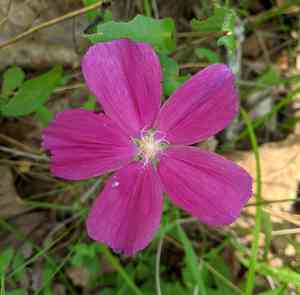
Woodland poppymallow (Callirhoe papaver)
Also known as: Winecup Poppy Mallow, Purple Poppy Mallow
Woodland poppymallow is a striking wildflower with bright crimson, poppy-like blooms. It flourishes in well-drained soils typically found in prairies and open woodlands. This plant has a spreading growth habit and finely-lobed leaves, forming a lush ground cover. Known for its drought resistance and long blooming season, woodland poppymallow is a resilient and visually appealing addition to its natural environment.
In This Article
Attributes of Woodland poppymallow
Lifespan
Perennial
Plant Type
Herb
Plant Height
30 to 60 cm
Spread
30 to 60 cm
Leaf Color
Dark green
Flower Size
4 to 5 cm
Flower Color
Magenta, sometimes purplish-red
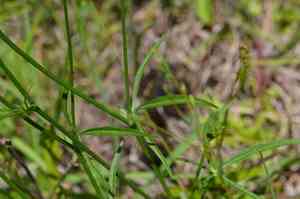
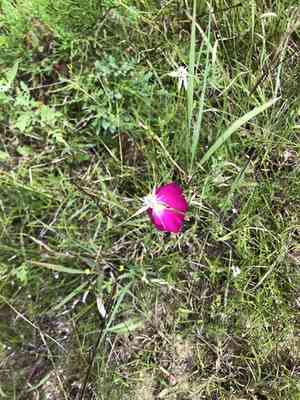
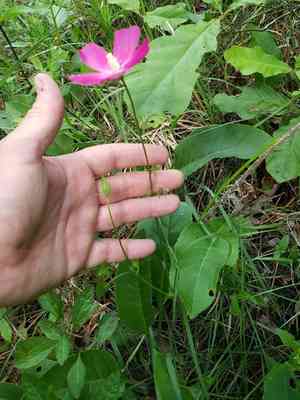
Images of Woodland poppymallow
Quickly Identify Woodland poppymallow
1
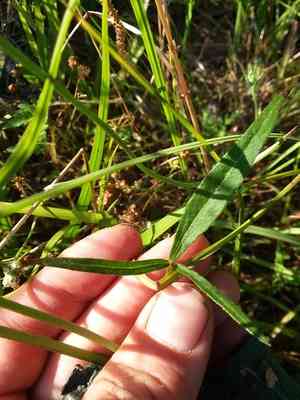
Look for the plant\'s deeply lobed leaves and distinctive cup-shaped magenta flowers, which are typically borne on long, slender stems. The foliage is often a dark green, and the flowers have a satiny texture.
Scientific Classification of Woodland poppymallow
Phylum
Vascular plants
Class
Dicotyledons
Order
Malvales
Family
Mallow
Genus
Poppy mallows
Species
Woodland poppymallow
Planting and Growing of Woodland poppymallow
Care Difficulty
Easy
Watering Schedule
Every 4 days
Sunlight Requirements
Full sun
Sunshine Duration
4-6 hours
Ideal Temperature
65-75℉
Soil Type
Potting Mix, Peat Mix
Soil pH
6.5-7.5
Fertilizer Type
Balanced
Pruning Season
Spring, Summer
Pruning Area
Branches, Leaves
Pruning Frequency
Once a year
Repotting Season
Spring
Pot Type
Plastic, Terracotta
 How to Water Woodland poppymallow?
Callirhoe papaver requires moderate watering, generally about 250 milliliters per watering. Ensure the soil is consistently moist but not soggy, allowing the top inch to dry slightly between waterings to prevent root rot.
What are the symptoms of an underwatered Woodland poppymallow?
›
What should I do if my Woodland poppymallow is not getting enough water?
›
What are the symptoms of an overwatered Woodland poppymallow?
›
How to save an overwatered Woodland poppymallow?
›
 What Are the Sunlight Requirements for Woodland poppymallow?
Callirhoe papaver thrives in full sun conditions. Providing this plant with ample sunlight leads to more vibrant blooms and healthier, stronger growth—essential for maintaining its ornamental beauty.
What is the best location for Callirhoe papaver?
›
How to provide ideal lighting indoors?
›
What are the benefits of providing ideal light conditions?
›
 What Is the Ideal Temperature Range for Woodland poppymallow?
The ideal temperature range for the growth of Callirhoe papaver is between 65°F and 75°F. This range provides the optimal conditions for photosynthesis and metabolic processes necessary for healthy growth.
 What Soil is Best for Woodland poppymallow?
Callirhoe papaver thrives best in well-drained soil as it prevents waterlogging, which can lead to root rot. The quick drainage ensures the roots receive adequate air circulation, promoting healthy plant growth and vibrant blooms. Although moderately tolerant to poorer soils, Callirhoe papaver benefits from a nutrient-rich medium. This ensures lush foliage and sustained flowering by providing essential nutrients, which are crucial for the plant's overall health and vitality. This plant prefers moderate soil moisture levels, which helps maintain steady growth without the risk of drought stress. Balanced moisture levels ensure optimal hydration for the plant, reducing stress and promoting resilience.
 How to Fertilize Woodland poppymallow?
Callirhoe papaver, commonly known as poppy mallow, thrives with a balanced approach to fertilization. For liquid fertilizers, use a dilute solution, approximately half the recommended strength on the label, to avoid over-fertilizing. When applying slow-release granules, use about 50 grams per plant, scattering it evenly around the base and mixing it lightly into the soil. This method supports sustained growth without overwhelming the plant.
 How to Prune Woodland poppymallow?
Begin by assessing the plant for any dead or diseased stems. Removing these first prevents the spread of diseases to healthy parts of the plant. Ensure you cut back to healthy tissue to promote effective healing and growth. Trim the plant to maintain a neat shape, focusing on encouraging an open center. This allows for better air circulation and sunlight penetration, which is crucial for flowering and reducing fungal issues. Focus on cutting back long or leggy growth to ensure the plant remains compact and bushy. This not only enhances aesthetic appeal but also stimulates new growth, resulting in more vibrant blooms.
More About Pruning Techniques→
 How to Propagate Woodland poppymallow plant?
1
Fill the seed tray with a well-draining seed starting mix. Moisten the mix slightly, ensuring it is neither too wet nor too dry, which helps in the germination process.
2
Place the Callirhoe papaver seeds on the surface of the soil and gently press them into the soil. Avoid burying them too deep, as light exposure can help initiation of germination.
3
Select a healthy stem and use a sharp knife to cut a segment about 4-6 inches long. Make sure to include at least two nodes on the cutting, as they are crucial for root development.
 How to Repot Woodland poppymallow plant?
1
You should consider repotting Callirhoe papaver when you notice the roots are growing out of the drainage holes, the plant's growth has slowed, or it has been more than a year since its last repotting. These are clear signs that the plant has outgrown its current pot and requires more space to continue thriving.
2
Selecting the right pot for Callirhoe papaver is crucial. Opt for a pot that is one size larger than the current one and ensures it has adequate drainage holes. This encourages proper root growth and prevents waterlogging, which can lead to root rot. Terracotta pots are particularly beneficial as they allow for good air circulation.
3
Choosing the right soil is essential for the health of Callirhoe papaver. Well-draining, loamy soil is ideal as it retains necessary moisture without waterlogging the roots. Such soil provides essential nutrients and ensures that the plant has a healthy, balanced growth environment.
Learn More About Woodland poppymallow Diseases
Anthracnose
Bacterial Leaf Spot
Bacterial Wilt
Crown Gall
Cyst Nematode
Damping-off
Downy Mildew
Drought Stress
Fusarium Wilt
Gray Mold
Leaf Curl
Leaf Spot
Mosaic
Nutrient Deficiency
Nutrient Toxicity
Powdery Mildew
Root Rot
Root-knot Nematode
Rusts
Sooty Mold
Spider Mites
Temperature Stress
Thrips Damage
White Mold
Chemical Injury



