How to Propagate Woodland poppymallow?
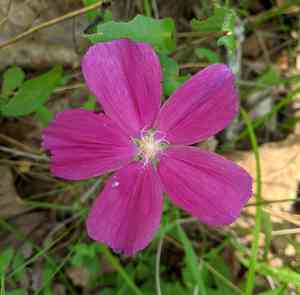
Callirhoe involucrata is a vivid perennial recognized for its impressive magenta blossoms that thrive in forested environments. Reproduction is most effectively accomplished by planting seeds. Lightly abrade the seeds prior to planting and position them in a substrate that drains efficiently. A period of cold stratification might improve sprouting. Confirm that the growing medium stays damp but not saturated. Relocate young plants once they attain a suitable dimension, making certain they are sufficiently separated to allow for development.
Optimal Time for Woodland Poppymallow Propagation
Propagation Method
Seeding
Propagation Period
Spring
Tools for Woodland Poppymallow Propagation
Seed Starting Trays
These containers offer a controlled setting for germinating woodland poppymallow seeds. Their individual compartments foster robust root growth and simplify transplanting.
Seedling Heat Mat
Maintains a steady soil temperature, vital for the germination of woodland poppymallow. This device ensures seeds sprout under ideal conditions.
Grow Lights
Augment natural light to boost the growth rate and vitality of woodland poppymallow seedlings, especially in dim environments. They mimic daylight, promoting vigorous photosynthesis.
Sterile Seed Starting Mix
A clean medium prevents diseases and fungal attacks on young woodland poppymallow seedlings. It offers a perfect balance of nutrients, drainage, and aeration.
Humidity Dome
Sustains high humidity levels essential for the germination and initial development of woodland poppymallow. It stops seeds from drying out and creates a favorable microenvironment for growth.
Spray Bottle
Used for gentle irrigation to avoid disturbing delicate woodland poppymallow seeds and seedlings. Ensures even moisture distribution without saturating the soil.
Labels and Markers
Crucial for identifying different batches of woodland poppymallow and tracking sowing dates. Aids in organizing and accurately monitoring the propagation process.
Tweezers
Helps in handling tiny woodland poppymallow seeds without causing damage. Allows for precise placement in the seed starting medium.
How to Propagate Woodland Poppymallow?
Propagation Type
Simple
Caring for Newly Propagated Woodland Poppymallow
Caring for Newly Propagated Woodland Poppymallow
Post-transplant, water young woodland poppymallow plants regularly to establish roots, but avoid waterlogged conditions. Apply mulch around the base to retain moisture and suppress weeds. Monitor for pests and diseases, and fertilize sparingly as woodland poppymallow can thrive in nutrient-poor soils. Prune as needed to encourage healthy growth and flowering.
Common Propagation Mistakes for Woodland Poppymallow
Overwatering
Excessive moisture can lead to root rot, damping off, and other fungal issues, significantly reducing germination success and plant health.
Planting Too Deep
Burying seeds or cuttings too deeply can hinder their ability to sprout. They require light for germination and might not emerge if planted too far down.
Inconsistent Lighting
Failure to provide steady lighting can result in weak, elongated seedlings. Young plants need a stable light source to develop strong and healthy.
Poor Soil Drainage
Soil that retains too much water can lead to waterlogging, which will harm the plant's roots and overall well-being.
Neglecting Air Circulation
Insufficient air movement can cause mold, mildew, and other fungal infections, leading to weakened plants.
Tips for Propagating Woodland Poppymallow
Well-Drained Soil
Utilize a soil mix that ensures proper drainage to prevent waterlogging and root rot.
Surface Sowing
Seeds should be placed on the surface or gently pressed into the soil, not buried. Ensure they receive adequate light for germination.
Consistent Moisture
Maintain steady moisture without overwatering. Use a fine mist to avoid dislodging seeds or harming seedlings.
Optimal Air Circulation
Ensure good airflow around the plants to minimize the risk of fungal diseases and promote healthy growth.
Proper Lighting
Provide a stable light source, such as grow lights, to support strong, healthy growth in seedlings.



