How to Prune Dwarf stickpea?
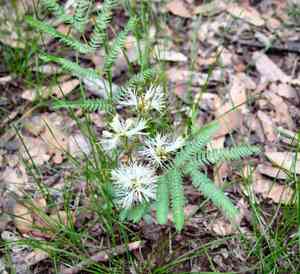
Dwarf stickpea is recognized for its exquisite, vivid blossoms and dense growth pattern. Trimming ought to be performed in early spring to foster robust development and blooming. Initially, eliminate any deceased or compromised limbs, subsequently reducing congested sections to enhance air movement. Gently sculpt to preserve its structure, refraining from severe cuts that could strain the specimen. Consistent trimming encourages a fuller look and deters elongated stems, thereby improving both its visual charm and general well-being.
What Are the Advantages of Trimming Dwarf Stickpea?
What Are the Advantages of Trimming Dwarf Stickpea?
Dwarf stickpea benefits from trimming by promoting robust growth and maintaining an appealing form. Pruning fosters stronger stems, prevents excessive growth, and enhances blooming, thereby improving overall plant vitality and look.
What Is the Optimal Period for Trimming Dwarf Stickpea?
What Is the Optimal Period for Trimming Dwarf Stickpea?
Trimming dwarf stickpea in early spring is ideal as it allows the plant to recover swiftly before its active growth phase. Pruning at this time minimizes disease and pest risks, given the generally favorable weather. Additionally, early spring trimming encourages healthier branching, leading to a more sturdy and attractive plant. This timing also ensures dwarf stickpea will display its best blooms, as it won't be recovering from recent cuts during its peak flowering.
What Equipment Do I Need to Trim Dwarf Stickpea?
Hand Pruners
These are perfect for making clean cuts on small stems and branches of dwarf stickpea, typically less than 1/2 inch in diameter. They help in maintaining the plant's shape and encouraging new growth.
Bypass Pruners
Ideal for precise cuts on live branches, ensuring a clean cut that promotes faster healing of dwarf stickpea. Use these for branches up to 3/4 inch in diameter.
Loppers
Suitable for thicker branches, usually those between 1/2 inch and 1 1/2 inches in diameter. Loppers provide the extra leverage needed to cut through thicker branches of dwarf stickpea.
Pruning Saw
Use this for the occasional larger branch or stem that exceeds the capability of loppers. A pruning saw is essential for cleanly cutting through thicker, more mature branches of dwarf stickpea.
Gloves
Essential for protecting your hands while handling the branches and stems of dwarf stickpea.
How to Trim Dwarf Stickpea
Inspection
Carefully inspect dwarf stickpea for any signs of disease, wilting, or dead parts. Focus on identifying diseased leaves, withered leaves, dead branches, and diseased branches that need attention.
Diseased leaves
Using clean, sharp pruning shears, remove all diseased leaves by cutting them off at the base where they attach to the main stem. Dispose of these leaves properly to prevent disease spread.
Withered leaves
Cut off any withered leaves similar to the previous step, making sure to trim at the base. These leaves should also be discarded away from the plant to maintain cleanliness.
Dead branches
Prune dead branches by making clean cuts just above a healthy bud or lateral branch. If the entire branch is dead, cut it back to the point of origin. Ensure your tools are sanitized to prevent disease transmission.
Diseased branches
Remove diseased branches by cutting into healthy wood, at least 6 inches below the visible signs of disease. This will help ensure the removal of the pathogen. Sanitize tools between cuts to prevent spreading the disease.
Common Trimming Errors with Dwarf Stickpea
Excessive Trimming
Removing too many branches or leaves can weaken dwarf stickpea, reducing its ability to photosynthesize effectively and limiting growth and flowering.
Incorrect Cuts
Making uneven or ragged cuts can damage dwarf stickpea and expose it to pests and diseases. Always use sharp, clean pruning tools for precise cuts.
Trimming at Wrong Height
Cutting back dwarf stickpea too close to the base or leaving stubs can hinder regrowth and impact the aesthetic shape of the plant.
Ignoring Unhealthy Areas
Failing to remove diseased or dead sections promptly can allow issues to spread, compromising the health of dwarf stickpea.
Trimming at Inappropriate Times
Though seasons are not specified here, pruning at the wrong time can disrupt the natural growth cycle and flowering pattern.
Common Trimming Advice for Dwarf Stickpea
Use Clean Tools
Always disinfect pruning shears before and after use to prevent the spread of disease. A solution of one-part bleach to ten parts water works well.
Focus on Shape and Structure
Aim to maintain an open, airy structure by removing any crossing, crowded, or inward-facing branches. This ensures proper light penetration and air circulation.
Remove Dead and Diseased Wood
Regularly inspect dwarf stickpea for any signs of disease or dead wood. Cut these sections back to healthy tissue to promote overall plant health.
Prune Lightly and Regularly
Regular, light pruning is more beneficial than heavy, infrequent cuts. This approach encourages steady growth and continuous blooms.
Consider Aesthetic Pruning
Shape dwarf stickpea in a way that complements its natural growth habit. Trim branches to maintain a pleasing, balanced appearance.



