How to Propagate Dwarf stickpea?
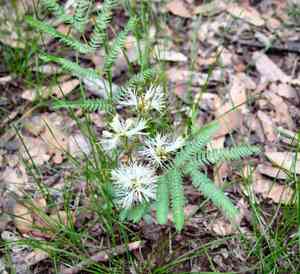
The dwarf stickpea, a compact woody plant, is recognized for its appealing, plume-like flowers. To multiply dwarf stickpea, choose robust stem sections and strip off the bottom foliage. Submerge the severed tips in rooting compound to improve viability and embed them in a porous potting medium. Position the cuttings in a moist, temperate setting, guaranteeing steady hydration without oversaturation. Periodically check for root formation and re-pot when firmly rooted.
Optimal Period for Dwarf Stickpea Propagation
Propagation Method
Cutting
Propagation Period
Spring,Summer
Essential Tools for Dwarf Stickpea Propagation
Pruning Shears
Pruning shears are vital for obtaining cuttings from dwarf stickpea. They enable precise cuts, ensuring plant tissue remains undamaged and cuttings are viable for propagation.
Rooting Hormone
A rooting hormone stimulates root formation in cuttings. Dwarf stickpea cuttings treated with rooting hormone are more likely to establish roots quickly and successfully.
Sterilized Potting Mix
Utilizing sterilized potting mix prevents the introduction of disease-causing agents that could harm the cuttings. It provides a clean environment conducive to root growth.
Humidity Dome
A humidity dome maintains a high moisture level around the cuttings, which is crucial for minimizing water loss through transpiration and encouraging root development.
Heat Mat
A heat mat delivers consistent warmth to the rooting area, which is beneficial for stimulating root growth in dwarf stickpea cuttings. Stable temperatures can significantly improve propagation success rates.
Sharp Knife or Scalpel
A sharp knife or scalpel is employed for making clean and accurate cuts on dwarf stickpea cuttings. These instruments help reduce tissue damage, which is essential for successful rooting.
Spray Bottle
A spray bottle is used to mist the cuttings and maintain humidity. Regular misting keeps the cuttings hydrated without excessive watering.
Plastic Pots or Seed Trays
Plastic pots or seed trays offer a controlled environment for rooting. They assist in organizing and managing cuttings effectively while ensuring each has adequate space to grow.
Labels
Labels are crucial for identifying different dwarf stickpea cuttings and monitoring their progress. They ensure accurate tracking of each cutting.
Dwarf Stickpea Propagation Difficulty
Propagation Type
Moderately Difficult
Post-Propagation Care for Your Dwarf Stickpea
How to Care for Your Newly Propagated Dwarf Stickpea?
Once the dwarf stickpea cutting has successfully rooted and acclimated, transfer it to a larger container with a well-draining soil mixture. Water the plant when the top inch of soil feels dry, ensuring it is not overwatered. Provide bright, indirect sunlight for optimal development. Fertilize every 4-6 weeks during the active growth period with a balanced, water-soluble fertilizer. Prune regularly to maintain shape and promote bushier growth. Inspect for pests and treat promptly if any are detected.
Common Errors to Avoid When Propagating Dwarf Stickpea
Overwatering
Excessive moisture can lead to root rot and fungal infections, hindering propagation success.
Improper Soil Mix
Using dense or poorly draining soil can suffocate the roots and impede growth.
Inadequate Light
Insufficient light impacts the plant's ability to photosynthesize, resulting in weak or absent growth.
Improper Handling of Cuttings
Damaging the cuttings during handling or planting can prevent successful rooting.
Incorrect Use of Hormones
Applying too much or too little rooting hormone can impede root development and propagation success.
Advice for Propagating Dwarf Stickpea
Use Well-Draining Soil
Ensure the soil mix is light and drains well to prevent waterlogging and root rot.
Monitor Watering
Keep the soil moist but not saturated to support healthy root development.
Provide Sufficient Light
Place the plant in a bright, indirect sunlight location to encourage robust growth.
Handle Cuttings Gently
Carefully manage cuttings to avoid damage and support successful rooting.
Use Rooting Hormone Correctly
Apply rooting hormone according to the recommended dosage to enhance root formation.



