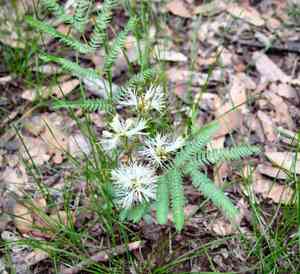
Dwarf stickpea (Calliandra humilis)
Also known as: Humilis Calliandra, Dwarf Calliandra
The plant you are referring to is likely the dwarf stickpea. It is a low-growing shrub recognized for its fine-textured bipinnate leaves and striking pink, puffball flowers. Ideal for dry, rocky environments, this hardy plant is well-suited for water-conserving gardens. Its fern-like foliage enhances landscape aesthetics, and its vibrant blooms are essential for attracting pollinators, supporting ecosystem balance.
In This Article
Attributes of Dwarf stickpea
Lifespan
Perennial
Plant Type
Shrub
Plant Height
1-3 feet (30-91 cm)
Spread
2-4 feet (61-122 cm)
Leaf Color
Green
Flower Size
1-2 inches (2.5-5 cm)
Flower Color
Red, Pink
Images of Dwarf stickpea
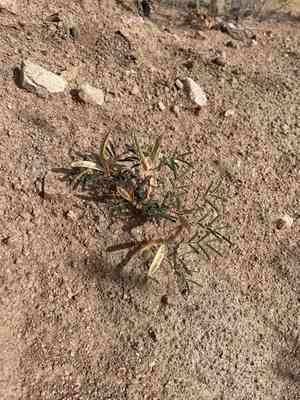
Quickly Identify Dwarf stickpea
1
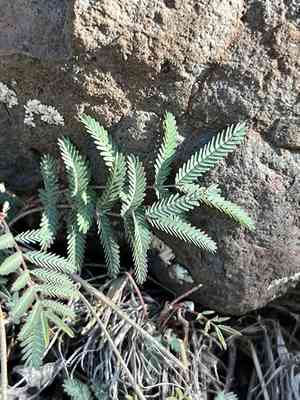
Look for the small, fluffy, bottlebrush flowers often in shades of red or pink, along with pinnately compound leaves.
Scientific Classification of Dwarf stickpea
Phylum
Vascular plants
Class
Dicotyledons
Order
Fabales
Family
Legume
Genus
Powder puff plant
Species
Dwarf stickpea
Planting and Growing of Dwarf stickpea
Care Difficulty
Easy
Watering Schedule
Every 4 days
Sunlight Requirements
Full sun
Sunshine Duration
4-8 hours
Ideal Temperature
65-77℉
Soil Type
Potting Mix, Peat Mix
Soil pH
6.5-7.5
Fertilizer Type
Balanced
Pruning Season
Spring, Summer
Pruning Area
Branches, Leaves
Pruning Frequency
2 times a year
Repotting Season
Spring
Pot Type
Plastic, Terracotta
 How to Water Dwarf stickpea?
For Calliandra humilis, each watering session should provide about 250 ml of water. This amount ensures that the soil is adequately moist but not waterlogged. Water should reach the roots but avoid pooling on the surface.
What are the symptoms of an underwatered Dwarf stickpea?
›
What should I do if my Dwarf stickpea is not getting enough water?
›
What are the symptoms of an overwatered Dwarf stickpea?
›
How to save an overwatered Dwarf stickpea?
›
 What Are the Sunlight Requirements for Dwarf stickpea?
Full to partial sunlight exposure promotes optimal flowering and vegetative health for Calliandra humilis, balancing photosynthetic needs and energy assimilation for vibrancy and lush texture.
What are the ideal light conditions for Calliandra humilis?
›
How can you provide ideal lighting for this plant?
›
What benefits do ideal lighting conditions offer?
›
 What Is the Ideal Temperature Range for Dwarf stickpea?
For optimal growth, Calliandra humilis prefers temperatures between 65°F and 77°F. This range provides a balance that supports healthy photosynthesis and metabolic functions, boosting overall plant vigor. These temperatures simulate the subtropical environment native to the species, maximizing chlorophyll production and nutrient absorption.
 What Soil is Best for Dwarf stickpea?
Calliandra humilis thrives in well-drained soil to prevent waterlogging, which can lead to root rot. This soil condition ensures that the plant receives adequate oxygen at its root zone and maintains health. Although well-drained, the soil should retain sufficient moisture to support Calliandra humilis's water needs during dry spells. This balance helps the plant sustain its lush foliage and vibrant blooms. A moderately fertile soil supports the growth of Calliandra humilis by ensuring the availability of essential nutrients for lush foliage and flowering, without the risk of excessive vegetation growth.
 How to Fertilize Dwarf stickpea?
Calliandra humilis benefits from a balanced fertilizer at a moderate strength. Typically, liquid fertilizers should be diluted to half of the recommended strength to prevent root burn. Solid fertilizers should be applied based on package instructions, ensuring not to overwhelm the plant with excessive nutrients.
 How to Prune Dwarf stickpea?
Start by removing any dead, damaged, or diseased branches. These should be cut back to the nearest healthy part of the plant using clean, sharp pruning shears to prevent pathogen spread. To maintain an attractive shape, trim branches that disrupt its natural form. Focus on cutting just above a leaf node to encourage bushier growth and a more compact shape. If branches are crossing or crowding, selectively prune them to allow light and air into the center of the plant. This helps reduce humidity and decreases the chance of fungal infections.
More About Pruning Techniques→
 How to Propagate Dwarf stickpea plant?
1
Collect seeds from the mature Calliandra humilis plant during late spring. Ensure the seeds are fully developed by observing their size and color, which should be mature and dry.
2
Select healthy stems with a few nodes for cuttings, ideally during early summer. Ensure the cuts are made just below a node and remove any lower leaves to prevent rot.
3
Once the seeds have germinated or cuttings have rooted, transfer the seedlings to individual pots with good drainage, using a mix of soil and organic matter to encourage growth.
 How to Repot Dwarf stickpea plant?
1
Look for signs like root-bound conditions or roots emerging from drainage holes as indicators that Calliandra humilis needs repotting. Additionally, if growth seems stunted, it might be time to provide more space for development.
2
Opt for a pot that is just one size larger than the current one. It should have good drainage holes to prevent waterlogging, which can cause root rot. The chosen pot should allow a balance of air flow and moisture retention, promoting healthy root growth.
3
A well-draining organic mix with some peat and perlite is ideal. This ensures nutrients are readily available while preventing soil compaction and excessive moisture retention. Such a soil mix enhances aeration, supporting healthier plant life.
Learn More About Dwarf stickpea Diseases
Anthracnose
Bacterial Leaf Spot
Bacterial Wilt
Crown Gall
Cyst Nematode
Damping-off
Downy Mildew
Drought Stress
Fusarium Wilt
Gray Mold
Leaf Curl
Leaf Spot
Mosaic
Nutrient Deficiency
Nutrient Toxicity
Powdery Mildew
Root Rot
Root-knot Nematode
Rusts
Sooty Mold
Spider Mites
Temperature Stress
Thrips Damage
White Mold
Chemical Injury



