How to Prune Long key locustberry?
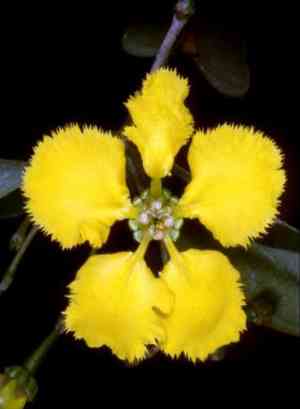
Long key locustberry is recognized for its lustrous foliage and vibrant, prominent blossoms. To foster robust development, trim in early spring prior to the emergence of new shoots. Begin by eliminating dead or ailing branches, then thin out congested sections to improve air movement. Gentle shaping can preserve the preferred structure and stimulate a greater abundance of flowers. Consistent trimming of long key locustberry aids in deterring pest problems and elevates the garden's general visual charm. For optimal outcomes, utilize sanitized, sharp implements.
What Are the Benefits of Pruning Long Key Locustberry?
What Are the Benefits of Pruning Long Key Locustberry?
Long key locustberry thrives with trimming, which encourages robust development and maintains its form. Pruning enhances blooms, manages size, improves look, and boosts resistance to pests and diseases. Regular trimming is crucial for long key locustberry to flourish and grow healthily.
What Is the Best Time for Pruning Long Key Locustberry?
What Is the Best Time for Pruning Long Key Locustberry?
Trimming long key locustberry in early spring is ideal as it aligns with the plant's dormant phase, minimizing stress and stimulating strong new growth. This timing also helps avoid disrupting its flowering and fruiting cycles, since long key locustberry typically begins its growth and blooming shortly after dormancy. Pruning before new growth starts ensures the plant can direct its energy into producing healthy shoots and abundant flowers.
What Tools Do I Need to Prune Long Key Locustberry?
Hand Pruners
Perfect for accurate cuts on small branches and stems of long key locustberry. Hand pruners assist in maintaining the plant's shape and effectively removing dead or diseased parts.
Lopping Shears
Useful for severing thicker branches that hand pruners cannot manage. Lopping shears offer the necessary leverage for larger cuts without harming long key locustberry.
Pruning Saw
Essential for cutting large, mature branches of long key locustberry. Pruning saws ensure clean cuts, which is vital for the plant's health and regeneration.
Pole Pruner
Enables trimming high branches without a ladder, ensuring gardener safety and efficient pruning of taller sections of long key locustberry.
Bypass Pruners
Crucial for making clean cuts on younger, green wood. Bypass pruners are preferred over anvil pruners as they cause less damage.
How to Prune Long Key Locustberry
Assess
Carefully inspect long key locustberry to identify and mark the sections needing trimming, focusing on diseased leaves, withered leaves, dead branches, and diseased branches.
ToolSelection
Select sterilized pruning shears or a pruning saw, ensuring tools are sharp and clean to prevent disease spread and make precise cuts.
RemoveDiseased
Begin by cutting away diseased leaves and branches, making clean cuts just above a healthy node or at the branch's base. Dispose of removed parts away from the plant to prevent reinfection.
TrimWithered
Trim withered leaves by cutting them at the base of their stem. For withered branches, cut back to healthy wood to encourage new growth.
RemoveDead
Eliminate dead branches by cutting them back to a living branch or main trunk. Ensure cuts are angled to prevent water accumulation and promote healing.
Common Pruning Mistakes with Long Key Locustberry
Over-pruning
A frequent error is removing too much of the plant at once. This can stress long key locustberry, leading to reduced flowering and growth.
Improper Technique
Using dull or dirty tools can result in jagged cuts, making them more vulnerable to disease. Always use sharp, clean pruning shears.
Incorrect Cuts
Making flush cuts, or cutting too close to the main stem, can harm vital parts of long key locustberry, leading to poor health.
Timing Errors
Pruning at the wrong time of year can negatively impact the plant's growth cycle and diminish its resilience.
Neglecting Structures
Ignoring the natural shape and structure of long key locustberry can lead to an unbalanced or unattractive appearance. Over time, this may also affect the plant's health.
Common Pruning Tips for Long Key Locustberry
Use Clean Tools
Always sanitize your pruning tools before and after use to prevent disease transmission. A simple alcohol or bleach solution works well.
Make Precise Cuts
Cut at a 45-degree angle approximately 1/4 inch above a node or bud to ensure proper healing and stimulate new growth.
Remove Dead/Diseased Branches First
Start by removing any dead, diseased, or damaged branches. This helps prevent disease spread and promotes healthier growth.
Maintain Natural Shape
Prune in a manner that preserves the natural form of long key locustberry to ensure even growth and an aesthetically pleasing appearance.
Thin Out Dense Areas
If certain plant sections become too dense, selectively remove a few branches to improve airflow and light penetration, which aids in reducing pest and disease issues.
Monitor Growth
Regularly check the plant for any new problems or undesirable growth patterns. Consistent monitoring allows for prompt corrective pruning as needed.



