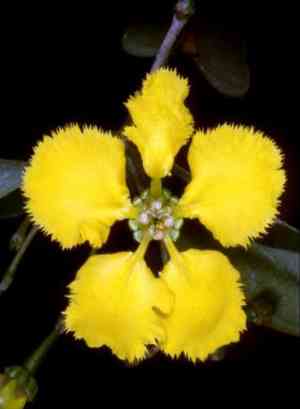
Long key locustberry (Byrsonima lucida)
Also known as: Locustberry
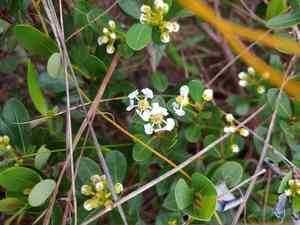
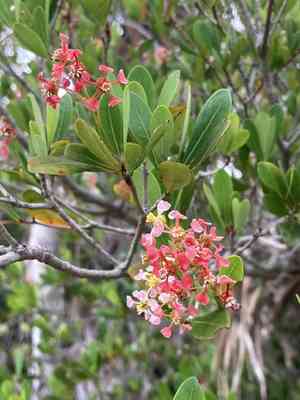
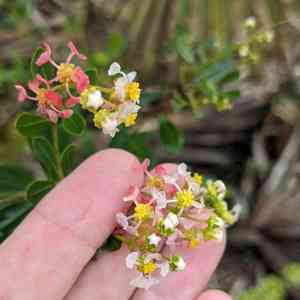
The long key locustberry (Byrsonima lucida) is a resilient shrub or small tree, thriving in rocky or sandy soils of subtropical regions. It features lustrous green leaves and clusters of fragrant white or pink flowers, which turn into vibrant red to dark purple berries that attract various wildlife. Its ability to withstand coastal conditions and its appealing, textured bark make it a unique and recognizable plant in its native habitats.
In This Article
Attributes of Long key locustberry
Lifespan
Perennial
Plant Type
Shrub
Plant Height
3.5 m to 6 m
Spread
4.5 m to 9 m
Leaf Color
Dark green
Flower Size
1-1.5 cm (0.4-0.6 inches)
Flower Color
Yellow to orange
Images of Long key locustberry
Quickly Identify Long key locustberry
1
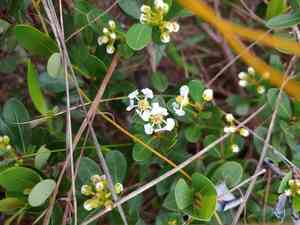
Locustberry can be identified by its glossy, dark green leaves and small, yellow to orange flowers that grow in clusters. The flowers are followed by round, red to black fruits.
Scientific Classification of Long key locustberry
Phylum
Vascular plants
Class
Dicotyledons
Order
Malpighiales
Family
Barbados cherry
Genus
Serrets
Species
Long key locustberry
Planting and Growing of Long key locustberry
Care Difficulty
Moderate
Watering Schedule
Every 4 days
Sunlight Requirements
Full sun
Sunshine Duration
6-10 hours
Ideal Temperature
73-86℉
Soil Type
Potting Mix, Peat Mix
Soil pH
6.5-7.5
Fertilizer Type
Balanced
Pruning Season
Spring, Summer
Pruning Area
Branches, Leaves
Pruning Frequency
2 times a year
Repotting Season
Spring
Pot Type
Plastic, Ceramic
 How to Water Long key locustberry?
When watering Byrsonima lucida, provide enough water to moisten the top 2 inches of soil, usually about 500 ml. The goal is to ensure the soil is consistently moist without being waterlogged. This amount can vary depending on the plant's environment, so it's important to check soil moisture regularly.
What are the symptoms of an underwatered Long key locustberry?
›
What should I do if my Long key locustberry is not getting enough water?
›
What are the symptoms of an overwatered Long key locustberry?
›
How to save an overwatered Long key locustberry?
›
 What Are the Sunlight Requirements for Long key locustberry?
Byrsonima lucida thrives in full sun to partial sun settings. Ideal lighting promotes healthier growth, vibrant leaf color, and enhances flowering potential, contributing to a robust, aesthetically pleasing plant.
What is the best lighting condition for Byrsonima lucida?
›
How can I ensure Byrsonima lucida receives ideal lighting?
›
What benefits does Byrsonima lucida gain from ideal lighting?
›
 What Is the Ideal Temperature Range for Long key locustberry?
Byrsonima lucida thrives best in a warm climate with temperatures ranging from 73°F to 86°F. This range ensures optimal metabolic activities and growth. Consistent exposure to these temperatures maintains healthy foliage and flowering. It is important to monitor and maintain this range to prevent stress or suboptimal growth conditions in the plant.
 What Soil is Best for Long key locustberry?
Byrsonima lucida thrives in well-draining soil to prevent waterlogging that can cause root rot. This type of soil ensures that excess water is efficiently channeled away, promoting healthy root growth and overall plant vitality. The plant benefits from soil with moderate fertility, which provides adequate nutrients without overwhelming the roots. This balance encourages steady growth and robust flowering, essential for ornamental appeal. Preferring slightly alkaline conditions, Byrsonima lucida flourishes in soils with pH levels between 6.5 and 7.5. This pH range facilitates optimal nutrient absorption and supports the plant's physiological processes.
 How to Fertilize Long key locustberry?
Byrsonima lucida requires a balanced approach when it comes to fertilization. Use a mild, balanced liquid fertilizer diluted to half strength. For granular fertilizers, apply approximately 1 pound per 100 square feet, ensuring even distribution across the root zone. Too much fertilizer can lead to an excess of growth and may harm the plant's delicate root systems.
 How to Prune Long key locustberry?
Begin by inspecting the Byrsonima lucida for any dead, damaged, or diseased branches. Use a clean pair of pruners to carefully remove these, making cuts at a slight angle just above a node or healthy side branch. To maintain its natural shape, selectively prune back protruding or unruly branches. This not only improves the plant's aesthetics but also facilitates better air circulation and sunlight penetration, promoting healthy growth. By trimming the tips of young shoots, you can stimulate lateral growth, resulting in a fuller, bushier plant. Pinch off about a third of the new growth to encourage a more compact and balanced appearance.
More About Pruning Techniques→
 How to Propagate Long key locustberry plant?
1
Begin by collecting ripe seeds from Byrsonima lucida fruits. Clean the seeds to remove any pulp, which can foster mold growth. Allow seeds to dry for a few days before sowing to enhance germination rates.
2
Fill seed trays with a mix of sand, peat, and perlite. Plant the seeds at a shallow depth and cover lightly with soil. Keep the trays in a warm and bright location, ensuring they receive indirect sunlight. Water gently to keep the soil moist but not waterlogged.
3
Use pruning shears to take semi-hardwood cuttings of about 4-6 inches in length. Remove the lower leaves, leaving a few at the top. Dip the cut ends in rooting hormone to promote root growth before planting them in a suitable potting medium.
 How to Repot Long key locustberry plant?
1
Look for signs like roots emerging from the drainage holes, slowed growth, or the soil drying out too quickly. These are signals that your Byrsonima lucida is ready for a larger home. Spring and early summer are optimal since the plant is actively growing, making it easier to recover from the process.
2
Select a pot that is one size larger than the current one to grant the roots space to grow. Ensure it has adequate drainage holes to prevent waterlogging, which this plant despises. Clay or terracotta pots are ideal as they allow the soil to dry out between waterings, preventing root rot.
3
Opt for a well-draining sandy soil mix. This kind of soil provides excellent drainage and aeration, preventing root rot. A quality mixture allows water to pass through quickly, which suits the plant's natural preference for drier conditions and promotes healthy root growth.
Learn More About Long key locustberry Diseases
Anthracnose
Bacterial Leaf Spot
Bacterial Soft Rot
Bacterial Wilt
Black Spot
Chemical Injury
Crown Gall
Damping-off
Downy Mildew
Drought Stress
Fusarium Wilt
Gray Mold
Leaf Curl
Leaf Spot
Mosaic
Nutrient Deficiency
Nutrient Toxicity
Powdery Mildew
Root Rot
Root-knot Nematode
Rusts
Sooty Mold
Spider Mites
Temperature Stress
Thrips Damage
White Mold



