How to Propagate Long key locustberry?
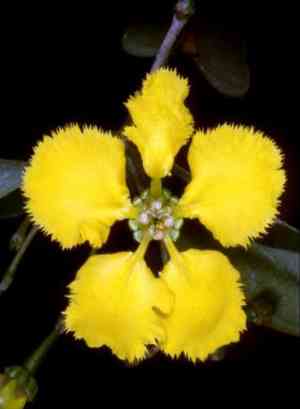
Long key locustberry flourishes in adequately draining substrates and benefits from initiating cuttings in a blend of sand and organic matter. Maintaining these cuttings in a shaded and continuously damp environment hastens root formation. Selecting robust, pathogen-free stems is essential. Employing rooting stimulants can additionally boost successful outcomes. After they are rooted, transfer them to bigger pots or straight into a garden plot. Shield nascent plants from harsh elements to guarantee vigorous development.
Optimal Period for Long Key Locustberry Propagation
Propagation Method
Cutting
Propagation Period
Spring,Summer
Tools Required for Long Key Locustberry Propagation
Sharp Pruning Shears
Utilized for obtaining clean and precise sections from the long key locustberry parent plant. This minimizes plant trauma and enhances the cutting's rooting potential.
Rooting Hormone
Aids in the development of roots on long key locustberry cuttings by supplying vital hormones that stimulate root growth. This boosts the success rate of new plant propagation.
Propagation Trays
Offers a regulated environment for long key locustberry cuttings to establish roots. Helps maintain consistent moisture levels and improves organization.
Plastic Dome or Humidity Tent
Helps sustain high humidity around long key locustberry cuttings, which is crucial for preventing desiccation and fostering root formation.
Spray Bottle
Keeps the soil and foliage of long key locustberry cuttings moist without oversaturation. Ensures delicate cuttings receive the appropriate amount of hydration.
Sterile Growing Medium
Provides a pathogen-free environment for long key locustberry cuttings to root. Common choices include a blend of perlite and peat moss.
Heating Mat
Delivers steady and gentle warmth to the rooting zone of long key locustberry cuttings, which can accelerate root development and improve overall success.
How to Propagate Long Key Locustberry?
Propagation Type
Moderately Difficult
Caring for Your Newly Propagated Long Key Locustberry
Caring for Your Newly Propagated Long Key Locustberry
Once the cuttings have rooted well and are ready for transplant, place them in a suitable spot with good drainage and ample sunlight. Water regularly, allowing the soil to dry slightly between waterings. Apply mulch around the base to retain moisture and deter weeds. Fertilize sparingly with a balanced feed during the active growth phase. Prune as needed to maintain shape and encourage denser growth. Monitor for pests and diseases, addressing any issues promptly to ensure healthy development.
Common Errors to Avoid When Propagating Long Key Locustberry
Overwatering
Excessive watering can lead to root rot, significantly impeding long key locustberry's growth and propagation success.
Improper Soil Mix
Using soil that is too compact or poorly drained can result in inadequate root development and hinder air circulation.
Inadequate Light
Placing long key locustberry in insufficient light reduces photosynthesis, leading to weak or stunted development.
Cuttings Mismanagement
Failure to use sterilized tools or adhere to proper techniques can lead to the spread of infections or poor propagation outcomes.
Incorrect Moisture Levels
Not maintaining appropriate humidity levels can cause the cuttings to dry out before they can root.
Advice for Propagating Long Key Locustberry
Use Well-Drained Soil
Ensure the soil mixture drains effectively to prevent waterlogging and root decay.
Adequate Light
Position cuttings in a spot with bright, indirect illumination to encourage robust growth.
Sterile Techniques
Always use sterilized tools when taking and handling cuttings to minimize the risk of disease transmission.
Moisture Control
Maintain consistent moisture levels by misting or using a humidity dome to keep cuttings hydrated but not waterlogged.
Rooting Hormone
Apply a rooting hormone to the cuttings to promote faster and more dependable root development.



