How to Prune Bulbinella trinervis?
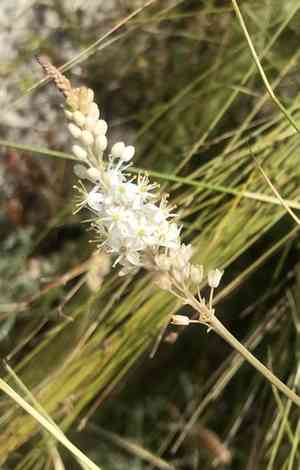
Bulbinella trinervis is recognized for its vivid yellow blossoms and grass-like leaves. Trim Bulbinella trinervis in the initial part of spring or the latter part of winter, eliminating faded flowers and any lifeless or injured foliage to stimulate robust development. Concentrate on shortening excessively long stems to preserve its structure and air circulation. Appropriate trimming fosters enhanced blooming and safeguards against ailments. Employ keen, disinfected implements to avert the spread of pathogens. Make certain to prune moderately to safeguard the plant's inherent configuration and vitality, thereby sustaining its enduring growth.
What Are the Benefits of Pruning Bulbinella Trinervis?
What Are the Benefits of Pruning Bulbinella Trinervis?
Trimming bulbinella trinervis helps maintain its form, keeping the plant compact and visually appealing. It also encourages robust growth by stimulating new shoots and improves overall health, making it more resilient to pests and diseases. Regular trimming ensures bulbinella trinervis stays a manageable size and continues to flourish.
What Is the Best Time for Pruning Bulbinella Trinervis?
What Is the Best Time for Pruning Bulbinella Trinervis?
Pruning bulbinella trinervis during early spring and late winter is ideal because this period coincides with the end of its dormant phase and the start of its new growth cycle. Trimming at this time prepares the plant for vigorous growth in the upcoming season, enhancing its health and blooming potential. Additionally, pruning when the plant is least active minimizes stress and promotes faster recovery. Thorough and careful trimming during these seasons helps remove any winter-damaged or dead parts, setting the stage for a strong blooming and growing period.
What Tools Do I Need to Prune Bulbinella Trinervis?
Bypass Pruners
Perfect for precise cuts on soft stems and small branches common to bulbinella trinervis. Prevents crushing of plant tissue.
Garden Scissors
Useful for delicate trimming and deadheading of flowers, ensuring minimal harm to bulbinella trinervis's stems and leaves.
Pruning Shears
Suitable for cutting thicker, older stems if bulbinella trinervis becomes overgrown, providing a clean cut to encourage healthy regrowth.
How to Prune Bulbinella Trinervis
Assess
Examine bulbinella trinervis for any diseased and withered leaves that require removal. Identifying the parts needing attention is essential.
Sterilize Tools
Before making any cuts, sanitize your pruning shears with rubbing alcohol to prevent the spread of disease.
Remove Diseased Leaves
Using the sanitized shears, carefully trim away any leaves showing signs of disease. Ensure you cut back to healthy tissue if possible.
Remove Withered Leaves
Next, trim off all withered leaves, cutting them as close to the base as possible without harming healthy parts of bulbinella trinervis.
Disposal
Discard all removed foliage in the trash rather than compost to prevent the spread of any potential pathogens back into your garden.
Common Pruning Mistakes with Bulbinella Trinervis
Over-pruning
Cutting away too much foliage can stress the plant and impede its growth. Avoid removing more than a third of the plant at a time.
Improper cutting tools
Using dull or dirty tools can damage the plant and introduce disease. Always use sharp, clean pruning shears.
Pruning at wrong angles
Cutting branches or stems at a straight angle instead of at a slight angle can hinder proper healing and water runoff, leading to rot or disease.
Common Pruning Tips for Bulbinella Trinervis
Use sharp and clean tools
Ensure your pruning shears are sharp and sterilized to make clean cuts and prevent disease spread.
Remove dead or damaged foliage first
Always start by removing any dead, diseased, or damaged leaves and stems to encourage healthy growth.
Cut at a slight angle
Make cuts at a 45-degree angle to allow moisture to run off, preventing rot and fostering quicker healing.



