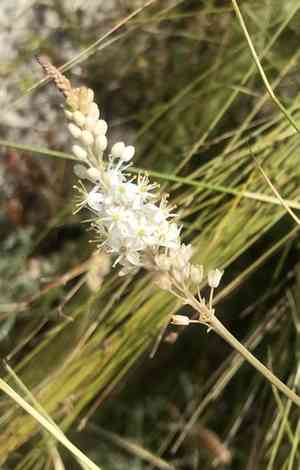
Bulbinella trinervis (Bulbinella trinervis)
Also known as: N/A
Bulbinella trinervis is a perennial succulent with fleshy leaves arranged in a rosette. The plant has a distinctive stalk with bright yellow, star-shaped flowers that bloom in the summer. Bulbinella trinervis thrives in rocky soils, often found in arid environments. Its robust root system enables it to survive lengthy dry spells, with leaves that store moisture and nutrients.
In This Article
Attributes of Bulbinella trinervis
Lifespan
Perennial
Plant Type
Herb, Succulent
Plant Height
Up to 60 cm
Spread
Not applicable
Leaf Color
Green
Flower Size
Approximately 1 cm per flower
Flower Color
Bright yellow
Images of Bulbinella trinervis
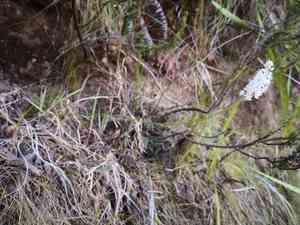
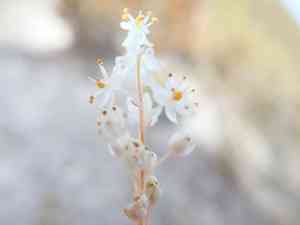
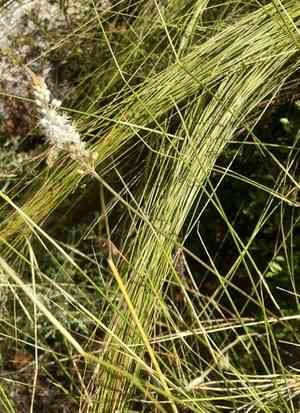
Quickly Identify Bulbinella trinervis
1
To identify Bulbinella trinervis, look for dense, cylindrical spikes of bright yellow flowers. The leaves are typically linear or strap-shaped. The plant often grows in clumps and can reach a height of up to 60 cm.
Scientific Classification of Bulbinella trinervis
Phylum
Vascular plants
Class
Monocotyledons
Order
Asparagales
Family
Asphodel
Genus
Maori onions
Species
Bulbinella trinervis
Planting and Growing of Bulbinella trinervis
Care Difficulty
Easy
Watering Schedule
Every 2 days
Sunlight Requirements
Full sun
Sunshine Duration
4-6 hours
Ideal Temperature
60-75℉
Soil Type
Potting Mix, Peat Mix
Soil pH
6.5-7.5
Fertilizer Type
Balanced
Pruning Season
Spring, Summer
Pruning Area
Branches, Leaves
Pruning Frequency
2 times a year
Repotting Season
Spring
Pot Type
Plastic, Ceramic
 How to Water Bulbinella trinervis?
For Bulbinella trinervis, ensuring the soil is moist but not soggy is critical. A typical watering session should involve about 150ml of water, applied evenly to ensure that the soil is adequately saturated. It helps to aim for a balance where the top inch of soil remains moist between waterings, though never waterlogged.
What are the symptoms of an underwatered Bulbinella trinervis?
›
What should I do if my Bulbinella trinervis is not getting enough water?
›
What are the symptoms of an overwatered Bulbinella trinervis?
›
How to save an overwatered Bulbinella trinervis?
›
 What Are the Sunlight Requirements for Bulbinella trinervis?
Bulbinella trinervis thrives in full sun to partial sun conditions. Ideal lighting supports optimal photosynthesis, ensuring energy sufficiency, robust growth, and abundant flowering, enhancing the plant's visual appeal and health.
What is the best lighting for Bulbinella trinervis?
›
How can I ensure Bulbinella trinervis receives enough light?
›
What benefits does adequate lighting bring to Bulbinella trinervis?
›
 What Is the Ideal Temperature Range for Bulbinella trinervis?
The ideal temperature range for growing Bulbinella trinervis is between 60°F to 75°F. This range ensures optimal growth by providing a stable environment that supports the plant's physiological processes, such as photosynthesis and water uptake.
 What Soil is Best for Bulbinella trinervis?
Bulbinella trinervis thrives in well-drained soil, ensuring that excess water doesn't linger and cause root rot. Choosing well-drained soil promotes healthy root systems and vibrant growth. Ensuring the soil is rich in organic matter provides Bulbinella trinervis with the necessary nutrients for robust flowering. A nutrient-rich substrate results in a more vibrant display during blooming seasons. While Bulbinella trinervis tolerates dry periods, moderate moisture levels in the soil facilitate optimal growth. Proper moisture balance prevents wilting and helps uphold the plant’s lush appearance.
 How to Fertilize Bulbinella trinervis?
When fertilizing Bulbinella trinervis, use a balanced, water-soluble fertilizer diluted to half-strength. Typically, this equates to about 1 tablespoon of fertilizer per gallon of water for liquid feeding, and a proportionally reduced amount for slow-release fertilizers. Adjust based on plant size and growth conditions.
 How to Prune Bulbinella trinervis?
Begin by inspecting the plant for dead or diseased foliage. Ensure you're identifying correctly which parts need removal, focusing on wilting or discolored leaves. Always cut above a node or bud to encourage new growth. This strategic cutting helps in fostering a denser and more lush appearance as new shoots emerge. After pruning, water the plant thoroughly and consider an application of a balanced fertilizer to give it a nutrient boost and aid in recovery.
More About Pruning Techniques→
 How to Propagate Bulbinella trinervis plant?
1
Begin by watering the plant thoroughly a day before division. This ensures the soil is moist and easier to work with, reducing stress on the roots.
2
Carefully dig around the plant with a spade, lifting it gently out of the ground. Separate the clumps by hand, ensuring each division has roots and shoots.
3
Plant each division in well-draining soil at the same depth as the original plant. Water thoroughly and regularly to promote establishment.
 How to Repot Bulbinella trinervis plant?
1
Bulbinella trinervis should be repotted when the roots start to outgrow the container or every couple of years. Look for signs such as roots emerging from the drainage holes, slow growth, or if the soil retains water longer than usual. These indicators show that the plant needs a fresh environment to thrive.
2
Choose a pot that is 1-2 inches larger in diameter than the current one. The container should have adequate drainage holes to prevent waterlogging, which can lead to root rot. A slightly larger pot allows space for growth while maintaining proper moisture levels, ensuring the plant’s health and vitality.
3
Opt for a well-draining sandy soil mix. Such soil mimics its natural habitat, promoting healthy root development and preventing water from accumulating, which can cause root rot. The right soil composition aids in aeration, allowing the roots to breathe and absorb nutrients effectively.



