How to Prune Woolly butterflybush?
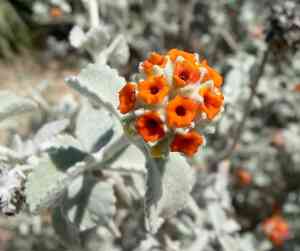
Distinguished by its fuzzy foliage and vivid blossoms, Buddleja crispa greatly profits from consistent trimming. Essential pruning methods involve removing faded flowers to stimulate fresh blooms and reducing the plant by as much as one-third in early spring to foster bushy development. The most effective time for pruning is during spring and summer, coinciding with its period of vigorous growth. Pruning not only preserves the compact form of Buddleja crispa but also boosts its aesthetic value and well-being by lessening the chances of illness.
What Are the Benefits of Pruning Woolly Butterflybush?
What Are the Benefits of Pruning Woolly Butterflybush?
Trimming woolly butterflybush promotes strong development and maintains its desired form. Regular cutting encourages thicker foliage and prevents excessive growth, optimizing space and improving garden appearance.
What Is the Best Time for Pruning Woolly Butterflybush?
What Is the Best Time for Pruning Woolly Butterflybush?
Pruning woolly butterflybush in Spring and Summer aligns with the periods just before and during its most active growth phases, which allows the plant to recover rapidly and produce new growth. Spring pruning, done after the last frost, ensures the removal of any frost-damaged branches, promoting healthier and more robust growth. Summer pruning should be light and is mainly for shaping the plant and controlling its size, ensuring that woolly butterflybush does not expend energy on overgrowth, which could be directed towards strengthening. Both seasons allow gardeners to enhance flowering by focusing the plant's energy on fewer, healthier branches.
What Tools Do I Need to Prune Woolly Butterflybush?
Hand Pruners
Essential for removing small to medium-sized branches, hand pruners deliver precise cuts and help maintain the shape and health of woolly butterflybush. Bypass pruners, in particular, make clean cuts conducive to plant health.
Loppers
Ideal for reaching deeper into or higher up the plant, loppers provide the necessary leverage to cut thicker branches that hand pruners cannot manage, ensuring that woolly butterflybush can be kept in check without straining the gardener.
Pruning Saw
For the thickest branches that neither hand pruners nor loppers can handle, a pruning saw is needed. Its sawing action allows for cutting through thick, mature branches of woolly butterflybush, ensuring clean cuts for healthy regrowth.
Shears
Useful for shaping and thinning the foliage, shears are vital for maintaining the aesthetic appearance of woolly butterflybush. They help create a uniform growth and enhance flowering by promoting new buds.
How to Prune Woolly Butterflybush
Identify diseased parts
Examine woolly butterflybush to identify and mark all diseased leaves and stems. Look for signs such as discoloration, spots, or blemishes, which indicate disease or decay.
Remove diseased leaves
Carefully cut off all identified diseased leaves at their base using clean, sharp pruning shears. Ensure each cut is clean to prevent tearing, which could cause further damage to woolly butterflybush.
Remove diseased stems
Using the same clean and sharp pruning shears, remove diseased stems by cutting them back to healthy wood. Ensure cuts are made just above a leaf node or bud to promote healthy regrowth.
Remove withered leaves
Identify and remove any withered or dead leaves by cutting them back to their base. This helps improve air circulation and overall plant health by reducing the likelihood of disease spread.
Cleanup
Gather all removed leaves and stems and dispose of them properly to prevent any disease from spreading. Clean the pruning shears thoroughly with alcohol to disinfect them after use.
Common Pruning Mistakes with Woolly Butterflybush
Overpruning
Removing too much foliage from woolly butterflybush can stress the plant, reducing its vigor and bloom potential. Novice gardeners often make the mistake of cutting back the plant too harshly, believing it will lead to more flowers, but it can actually hinder growth and flower production.
Improper tools
Using dull or dirty pruning tools can cause damage to the stems of woolly butterflybush, leading to jagged cuts that poorly heal. These wounds can invite pests and diseases, compromising the plantâs health.
Unnecessary shaping
Some gardendatakers may try to overly shape woolly butterflybush, which naturally exhibits a rounded, bushy form. Over-manicuring can stifle its natural growth pattern and reduce its overall aesthetic and health.
Common Pruning Tips for Woolly Butterflybush
Right technique
When pruning woolly butterflybush, make clean cuts at a 45-degree angle just above a bud facing the outside of the plant. This encourages outward growth, improves air circulation, and enhances the shape of the bush.
Annual thinning
Remove about a third of the oldest stems each year. This encourages new growth from the base, revitalizes woolly butterflybush, and ensures robust flowering. Focus on removing any diseased, damaged, or overly crowded stems to maintain plant health.
Post-bloom care
Lightly trim woolly butterflybush after the main flowering period to encourage a second flush of blossoms. This selective pruning invigorates the plant and promotes denser, more controlled growth.



