The Woolly butterflybush Plant Advantage: Maximizing Home and Office Appeal and Wellness
1
Woolly butterflybush draws in numerous pollinators, such as butterflies and bees.
2
This plant tolerates dry conditions well, making it ideal for arid regions.
3
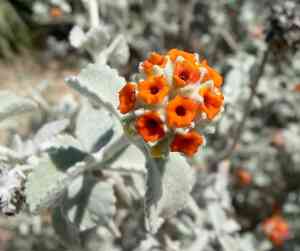
Woolly butterflybush displays attractive fuzzy foliage and aromatic blooms that enhance any garden's beauty.
Benefits of Including Woolly Butterflybush in Your Garden
Attracting Beneficial Insects
A key characteristic of Woolly butterflybush is its capacity to draw in various pollinators, especially butterflies and bees. This makes it an excellent addition to any garden aiming to support local fauna. Its blossoms not only offer nectar to these vital creatures but also aid in the overall health of your garden by fostering the pollination of other plants.
Environmental Durability
Woolly butterflybush is particularly recognized for its ability to withstand dry conditions. If you reside in an area with limited rainfall or water restrictions, this plant can flourish with minimal irrigation. Its capacity to endure harsh environments without losing its beauty makes it a low-maintenance yet impactful choice for your garden. The fuzzy texture of its leaves also helps retain moisture, adding another layer of resilience.
Visual Appeal
With its fuzzy foliage and clusters of fragrant blooms, Woolly butterflybush provides a distinct aesthetic that can enhance any garden's visual charm. The plant's unique texture and color can add depth and character to your landscape. It complements various other plants, making it adaptable in garden planning.
Cultivating and Caring for Woolly Butterflybush
Optimal Growing Conditions
Woolly butterflybush thrives in well-drained soil and locations receiving full to partial sunlight. While it adapts to diverse soil types, ensuring good drainage will help the plant flourish. It's best to plant Woolly butterflybush where it can get at least six hours of sunlight daily to promote healthy growth and flowering.
Watering and Upkeep
As a drought-tolerant plant, Woolly butterflybush requires relatively little watering. During initial planting, consistent watering will help establish its roots. Once mature, the plant can endure dry spells. However, occasional deep watering during extended dry periods will keep it looking its best. Pruning dead or overgrown branches will encourage new growth and maintain the plant's shape.
Creative Landscape Applications
Boundary Plantings
Woolly butterflybush can be effectively used as a border plant to delineate garden sections or landscapes. Its height and spread make it an excellent choice for creating natural barriers or edging along pathways. The dense foliage provides a lush appearance, while the flowers add a splash of color.
Wildlife Habitats
Given its appeal to pollinators, Woolly butterflybush is ideal for wildlife gardens. Planting Woolly butterflybush can help create a habitat that supports butterflies and bees, which are crucial for pollination. Adding this plant to a wildlife garden not only benefits the environment but also offers the joy of observing these beautiful creatures up close.
Companion Plants for Woolly Butterflybush
Complementary Hues and Textures
Woolly butterflybush pairs well with other drought-tolerant plants, as well as those with contrasting textures and colors. Consider combining Woolly butterflybush with plants like lavender, sage, or ornamental grasses. The differing textures and hues can create a visually appealing and cohesive garden design.
Seasonal Interest
To ensure year-round beauty, consider companion plants with varying bloom times. While Woolly butterflybush blooms primarily in certain seasons, pairing it with plants like echinacea or perennial herbs can extend the flowering season and maintain visual interest throughout the year.
Common Questions About Woolly Butterflybush
Is Woolly Butterflybush Invasive?
A frequent concern is whether Woolly butterflybush is invasive. While it is vigorous and spreads readily, it is not considered an invasive species in most regions. Always check local guidelines to ensure compatibility with your regional flora.
How Long Does Woolly Butterflybush Bloom?
Woolly butterflybush typically blooms from late spring through summer. The flowers can last several weeks, providing continuous beauty and nectar for pollinators. Regular deadheading can encourage additional blooms and extend the flowering period.



